Climate Wunderkammer
Environment Culture
Exhibition Design • Graphic • Installation • Product Design
Interactive audiovisual installation for the project Climate WunderKammer, Collateral Event of the XVIII International Architecture Exhibition - La Biennale di Venezia.
Venezia • 2023
CLIENT
Politecnico di Milano
USEFUL LINKS
Climate Wunderkammer
PARTNERSHIPS
Politecnico di Milano, IUAV Venezia, Rwth Aachen University
COLLABORATORS
Francesco Ulian (Motion Designer)
Luca Venturini (Sound Designer)
The archive
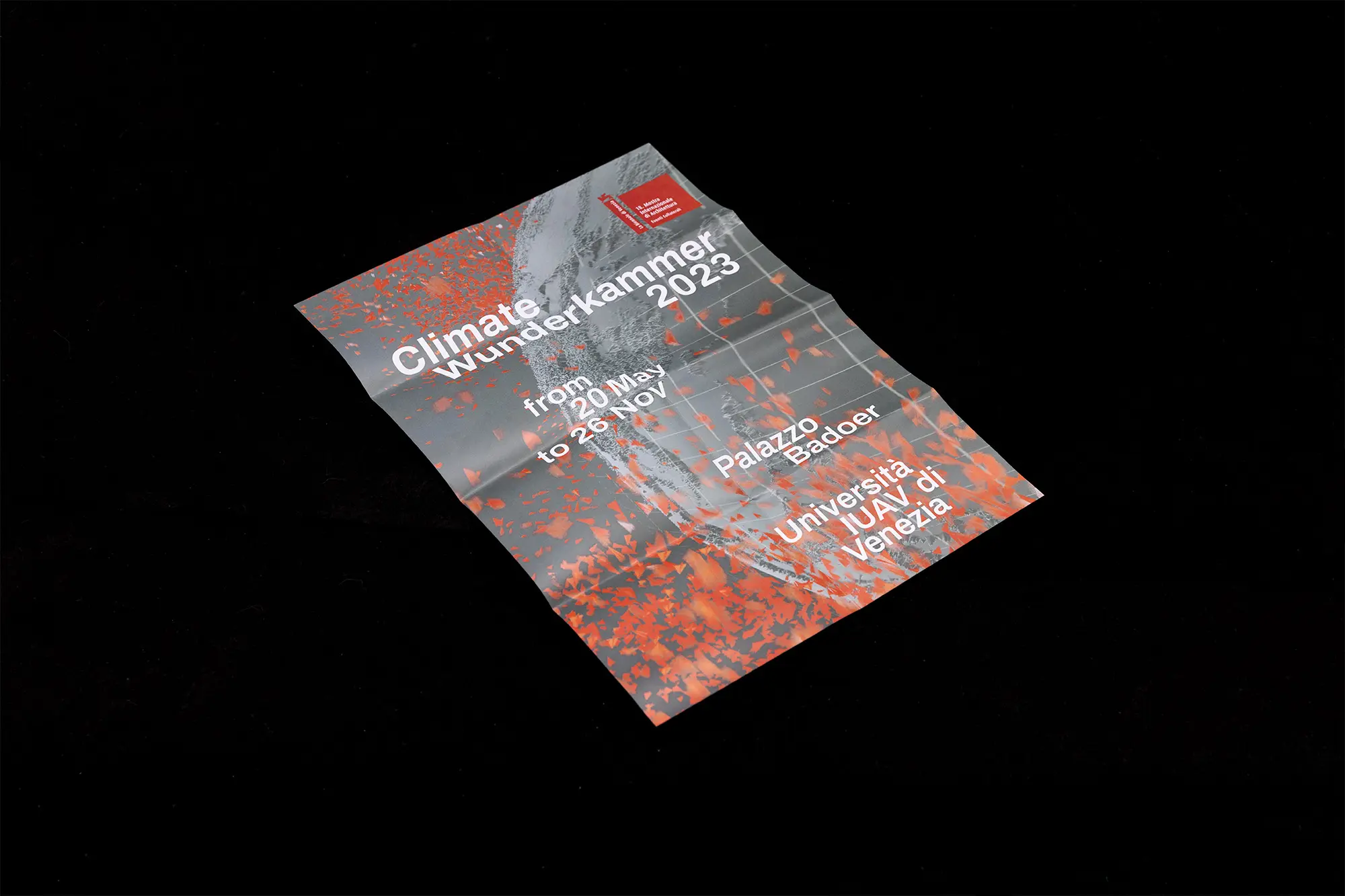
Climate Wunderkammer is a Collateral Event of the 18th International Architecture Exhibition - La Biennale di Venezia, running from May 20 to November 26, 2023. A collective digital archive participated by students to propose narratives and solutions against climate change.
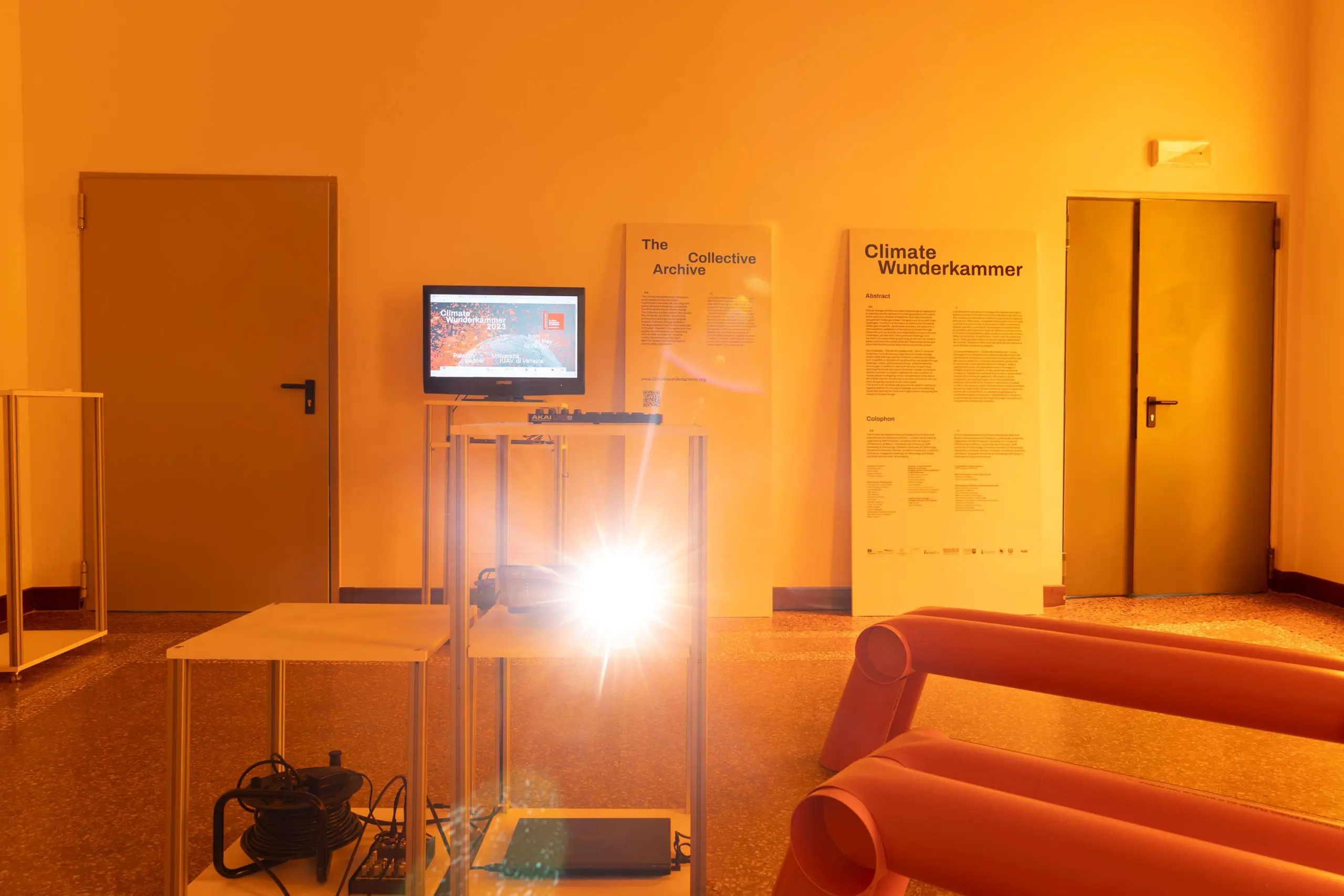
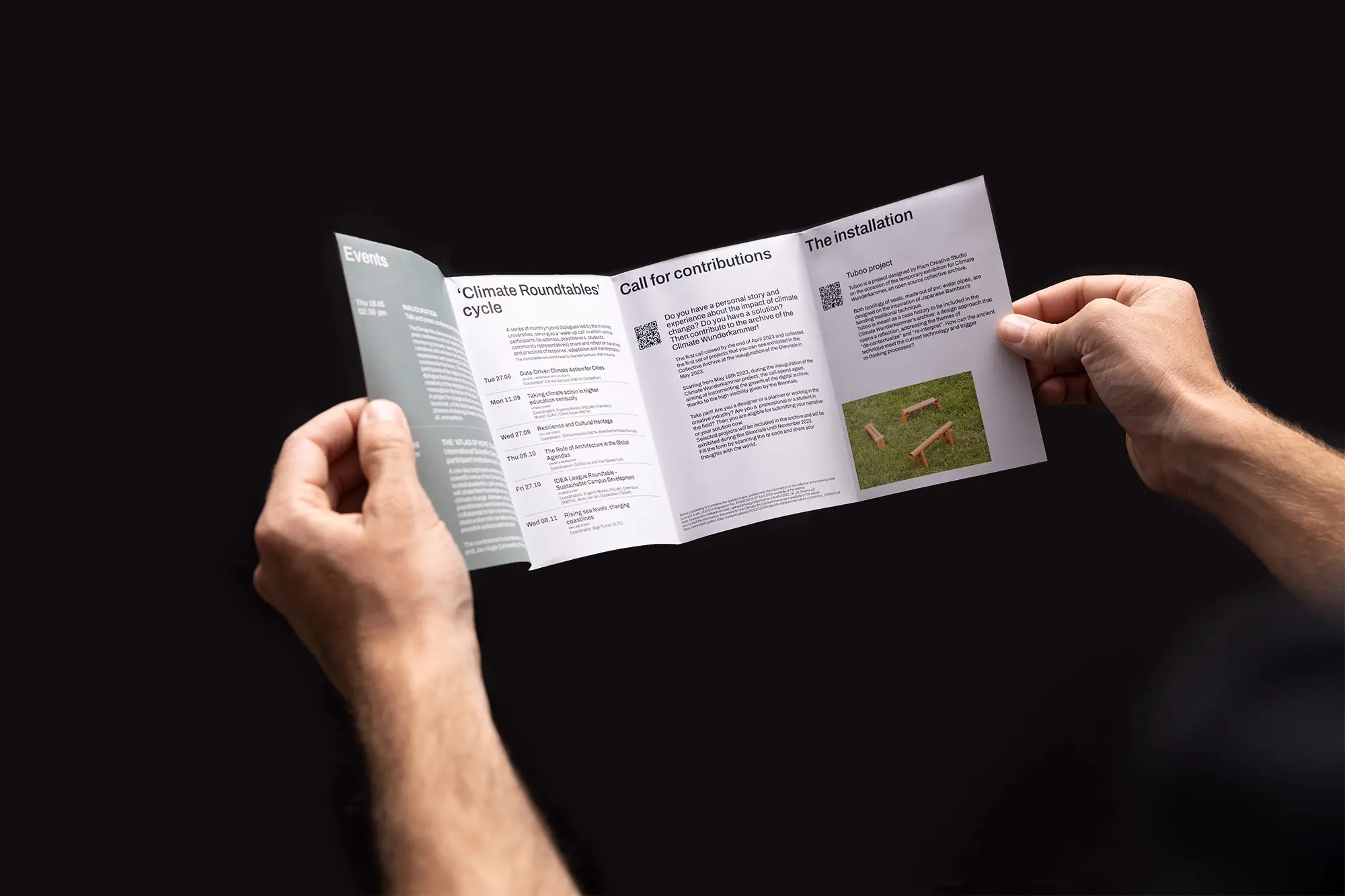
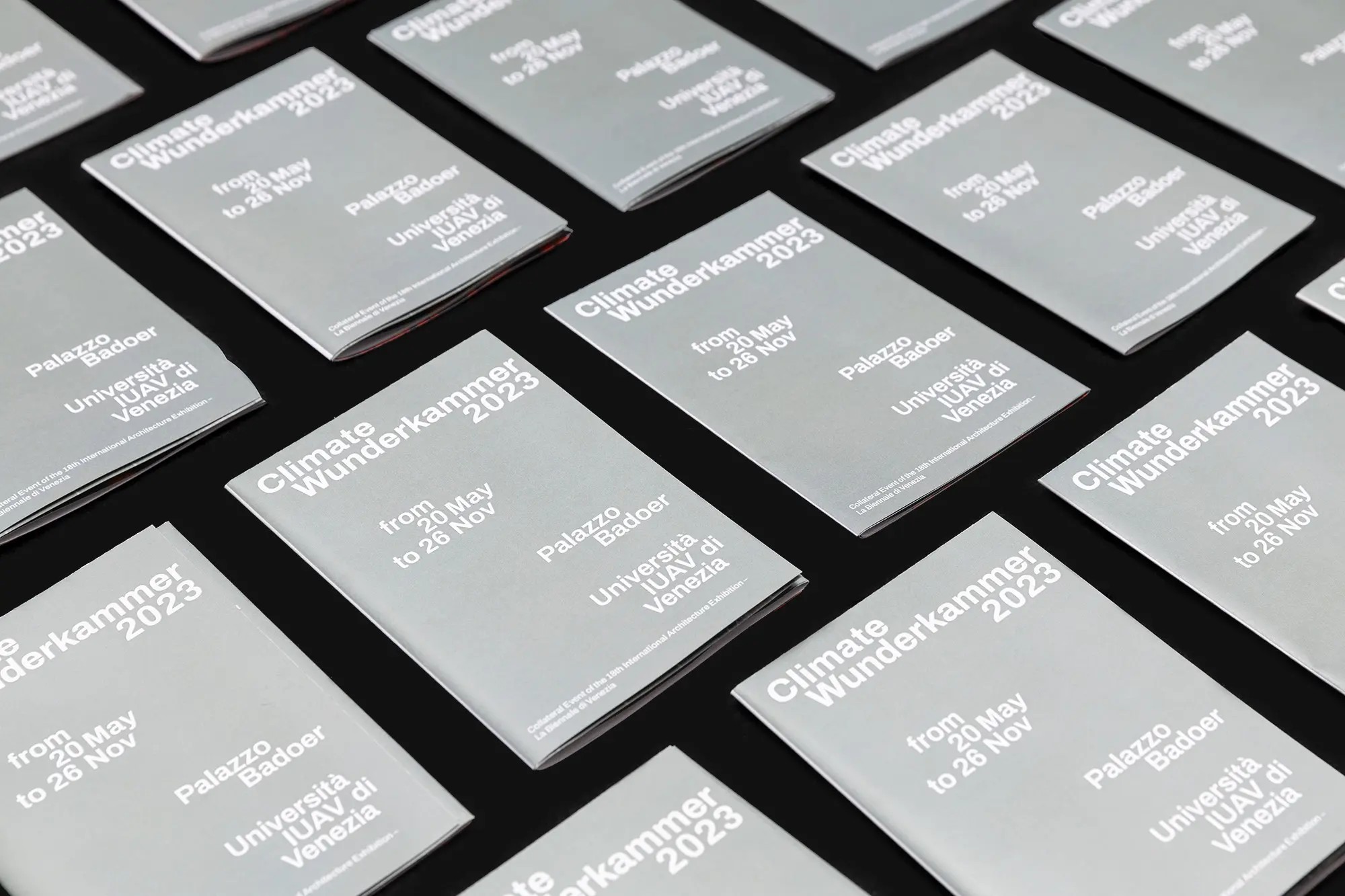
Plam Studio commissioned by Politecnico di Milano was responsible for the graphic design, installation and user-experience of the event at the spaces of Palazzo Badoer, Iuav University of Venice.
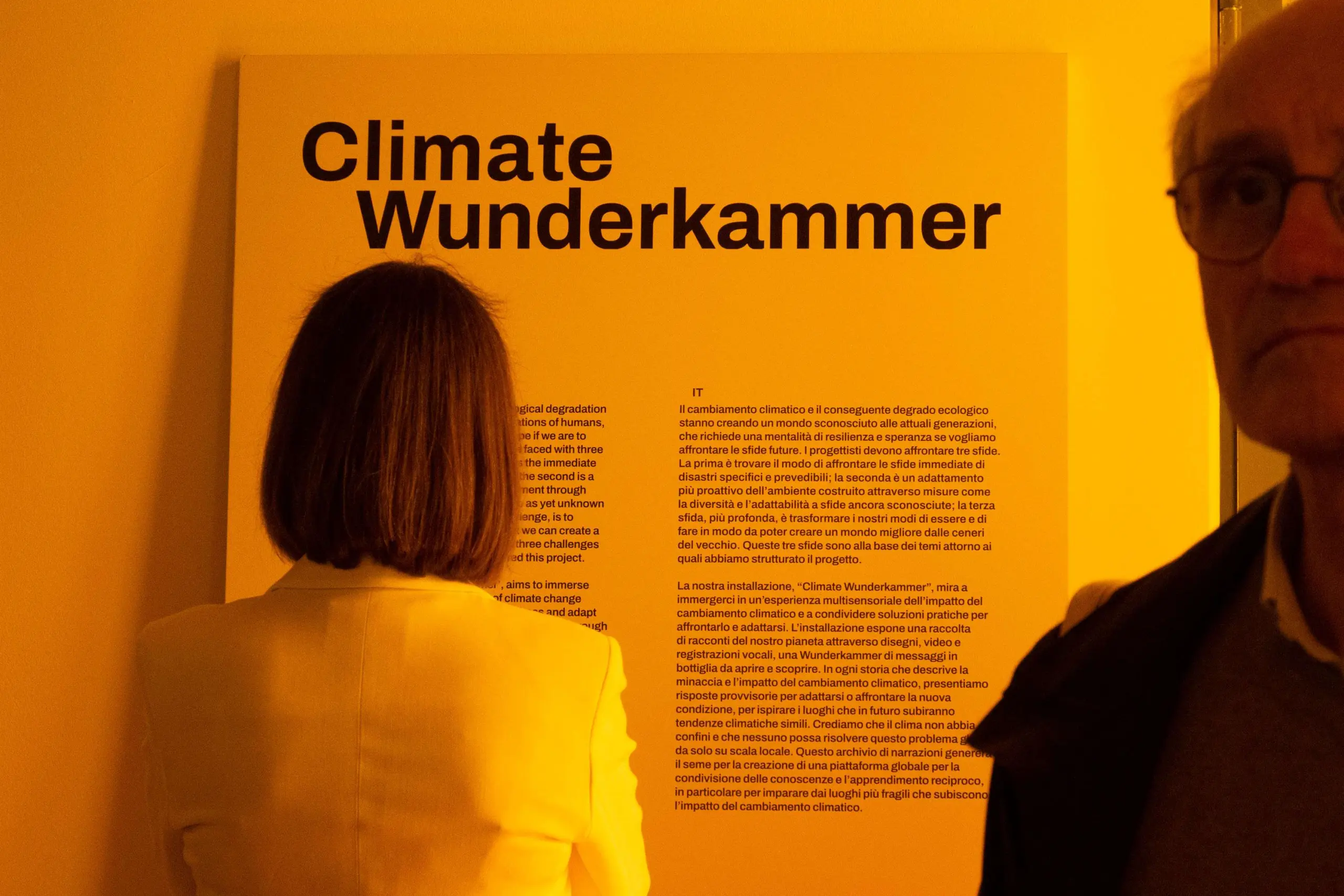
The “Climate Wunderkammer” event is a multi-sensory experience on the impact of climate change in our lives aimed at stimulating and sharing practical solutions to cope and adapt to it.
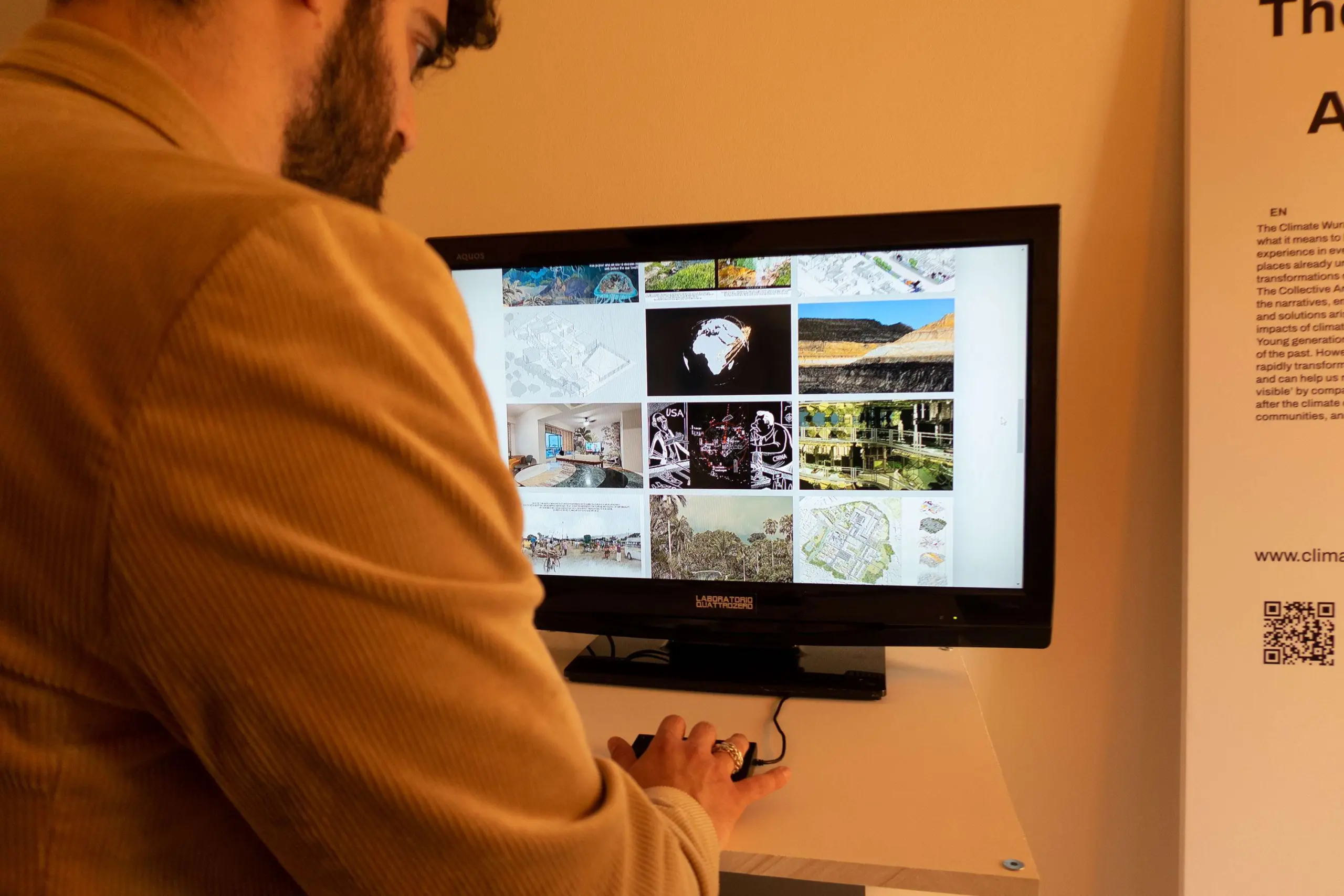
The Collective Archive ( https://climatetrial.github.io/ ) shares the narratives, experiences and emotions of students from universities participating in the project.
Climate Wunderkammer is organized by RWTH Aachen University, with support from Politecnico di Milano, Iuav University of Venice, Delft University of Technology, Chalmers University of Technology, Alexandria University, German Jordanian University, University of Pretoria, Singapore University of Technology and Design, and the International Union of Architects.
Murmuration Project
The Murmuration Project began as a visual interpretation of the Climate Wunderkammer archive. It evolved into an audiovisual project, curated by Plam Studio in collaboration with Francesco Ulian (motion designer) and Luca Venturini (sound designer), becoming an installation and an immersive experience within the exhibition spaces.
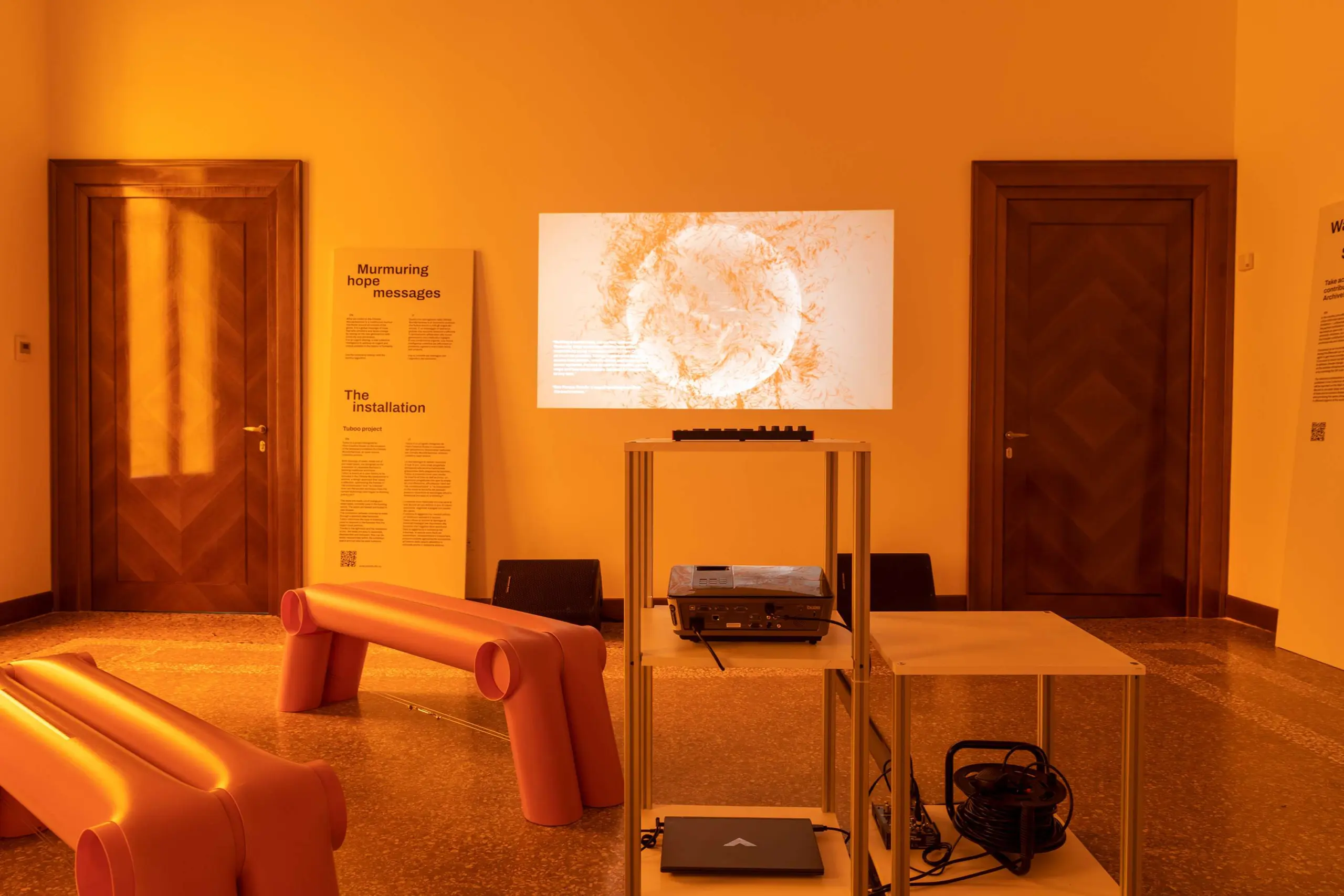
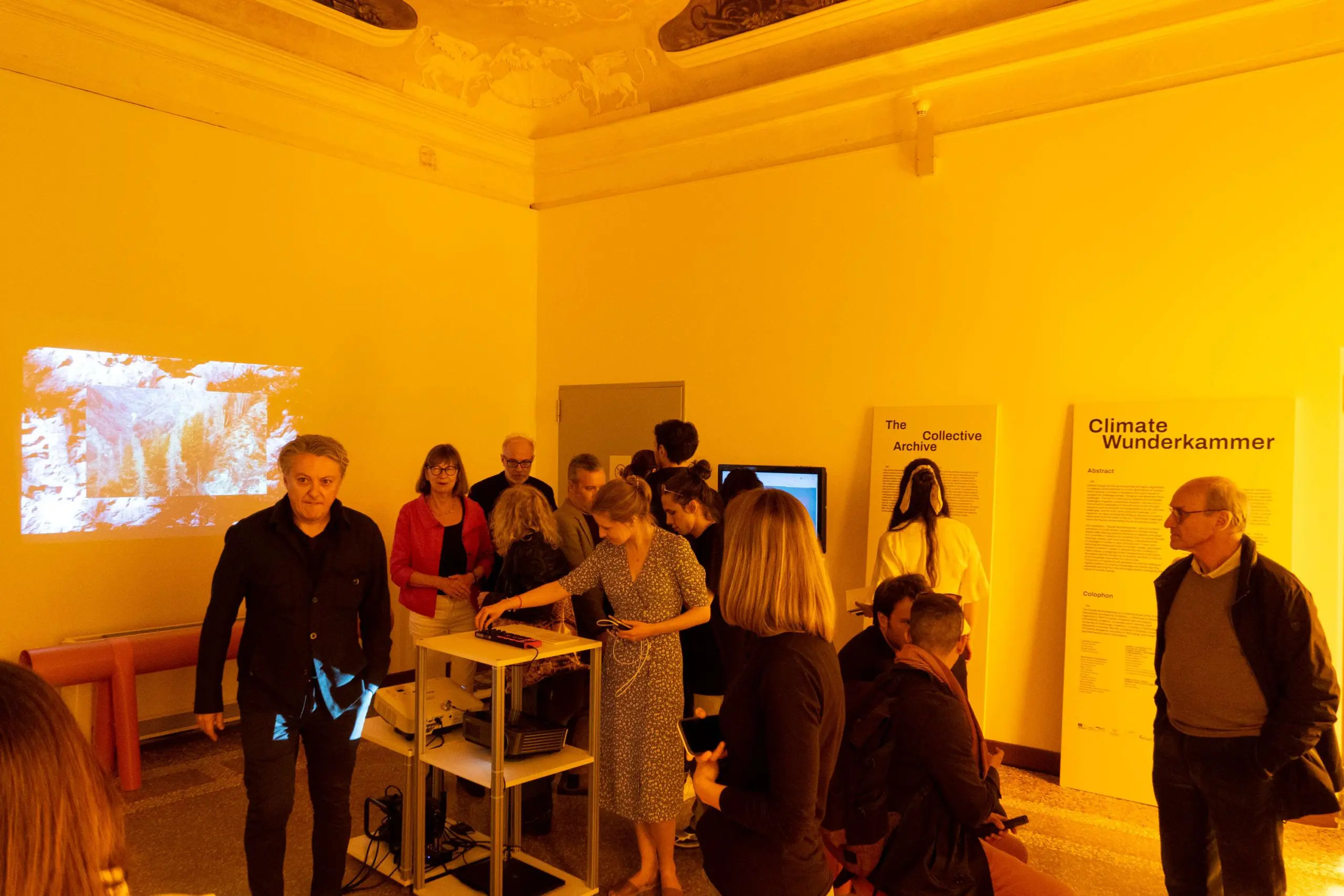
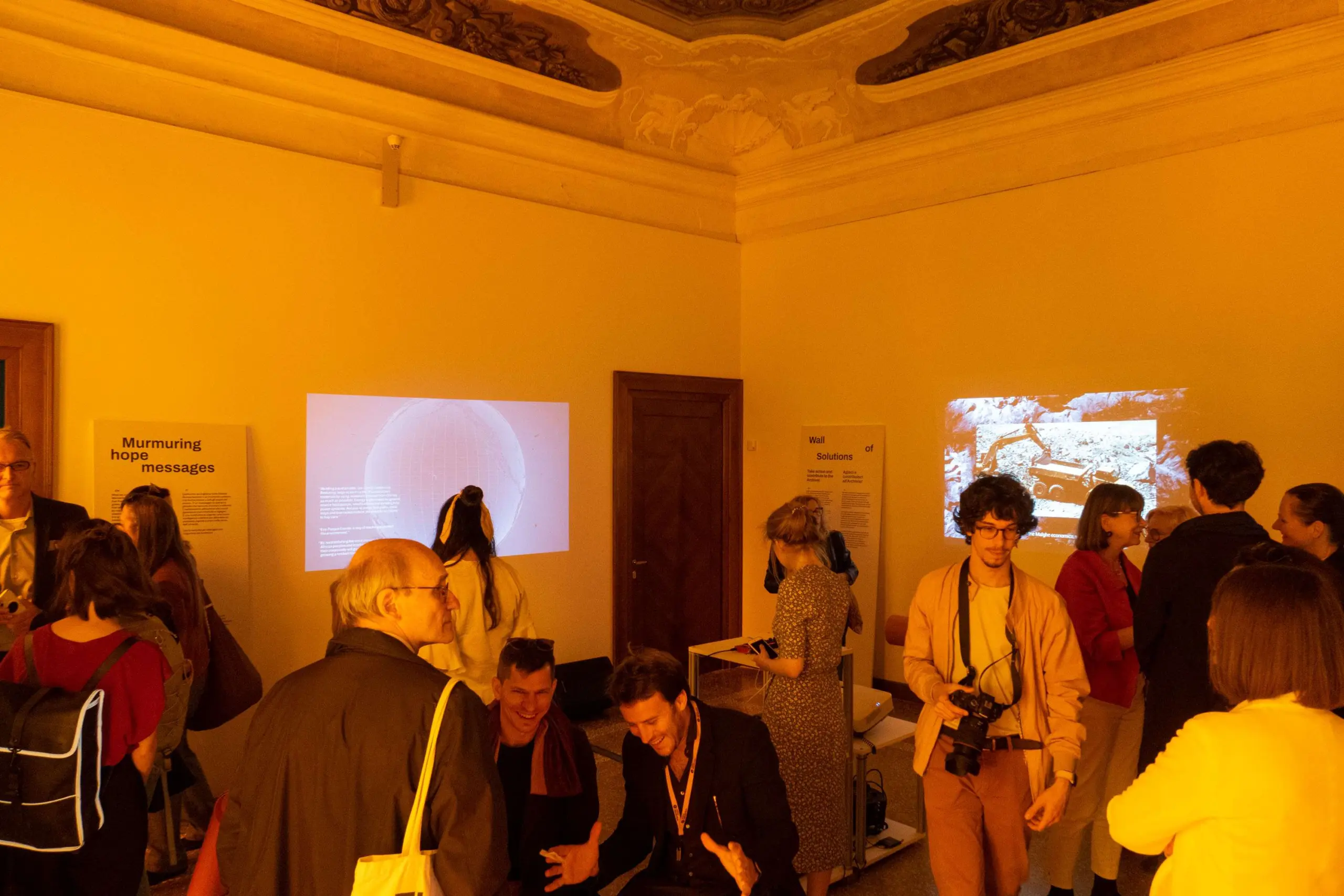
The graphic output, projected on the wall, imitates the natural phenomenon of flocks, individual behavioral interactions between birds that generate a complex and scenic system. Similarly, contributions and ideas from the Climate Wunderkammer archive, orbit our planet creating connections without boundaries.
The video of the globe enveloped in swirling flows was projected on the wall opposite the entrance to the room.
The audio contribution, created by Luca Venturini, envelops the room by blending organic and technological sounds.
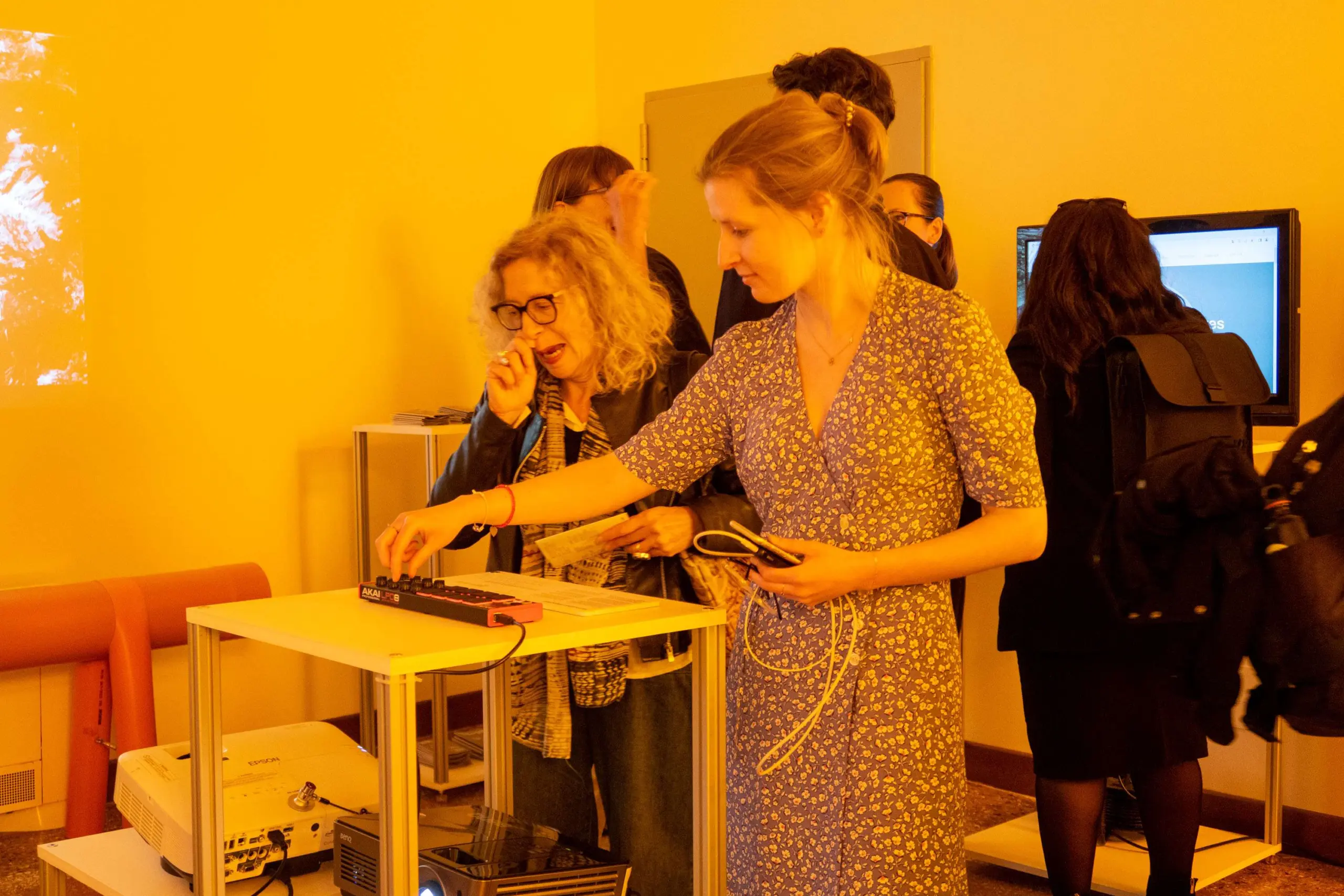
The console, in the center of the room, houses a controller through which visitors can interact with the algorithm that generates the audiovisual projection. Each pad of the controller is associated with a sound and a movement of the projected stream, in this way, each intervention modifies the audio-visual output, leaving a trace of its passage.
The windows of the exhibition space have been covered with orange film, enveloping the space in a dystopian, sweltering atmosphere and heightening the sense of immersion in the archive.
Tuboo
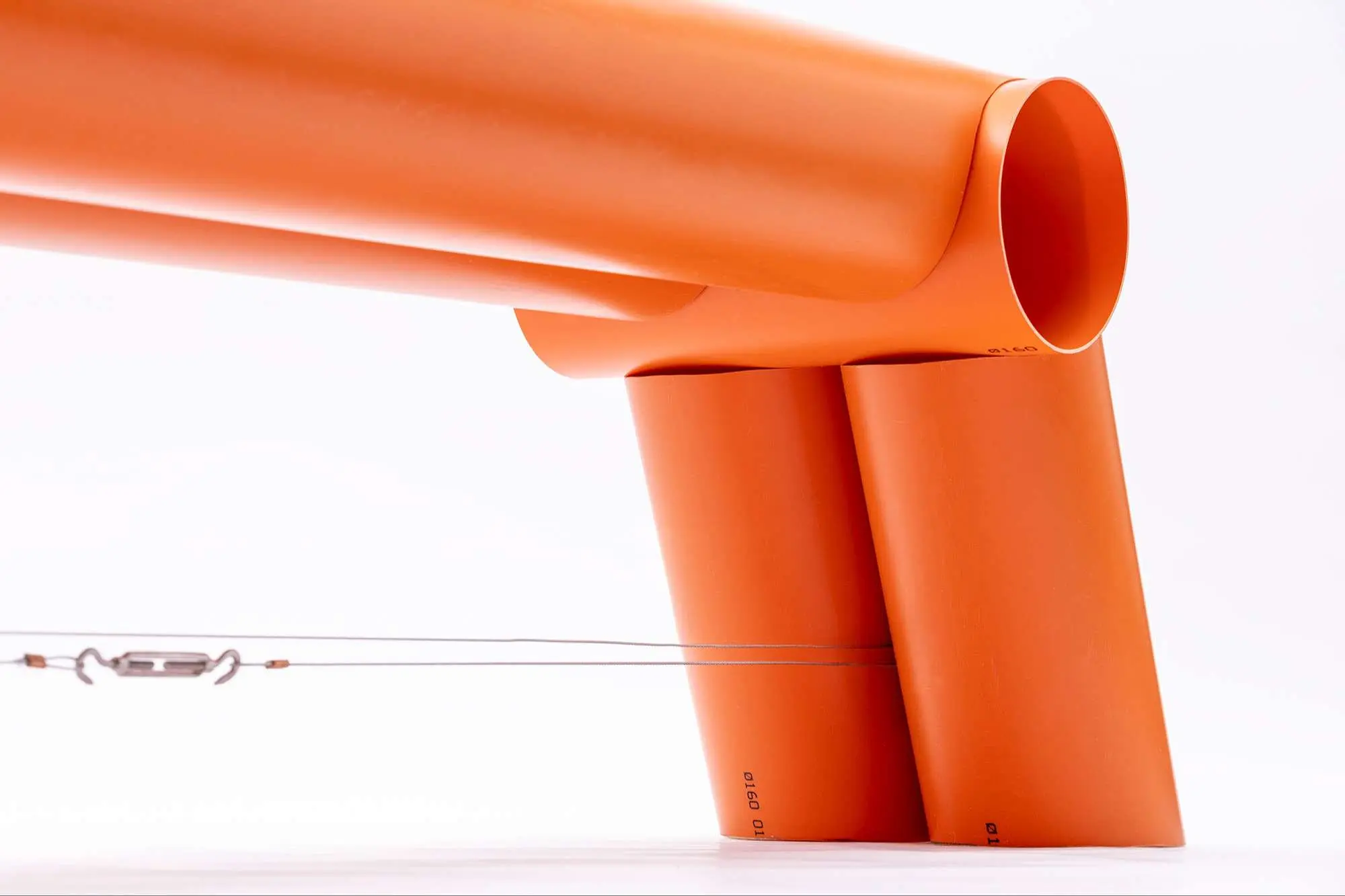
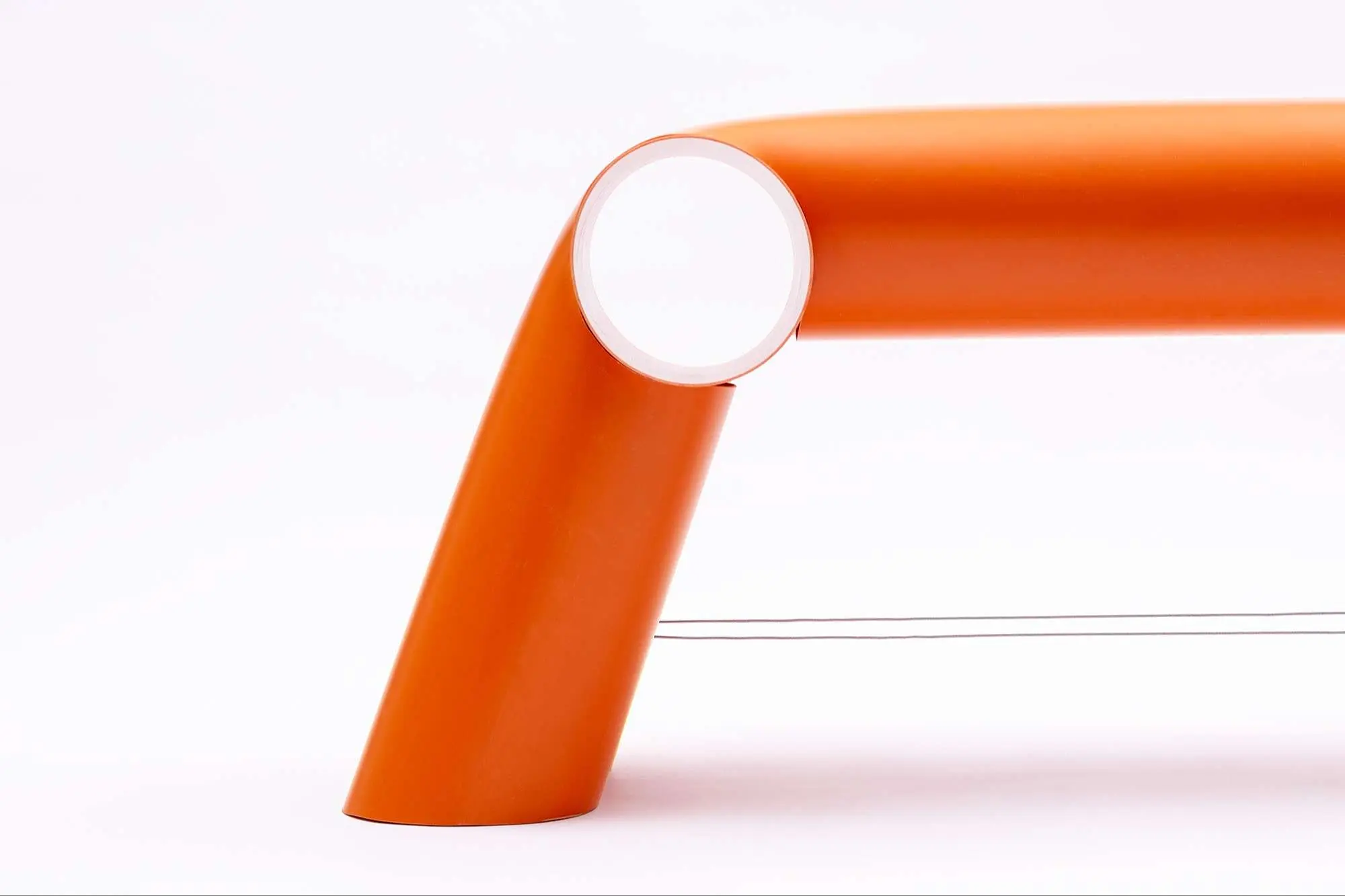
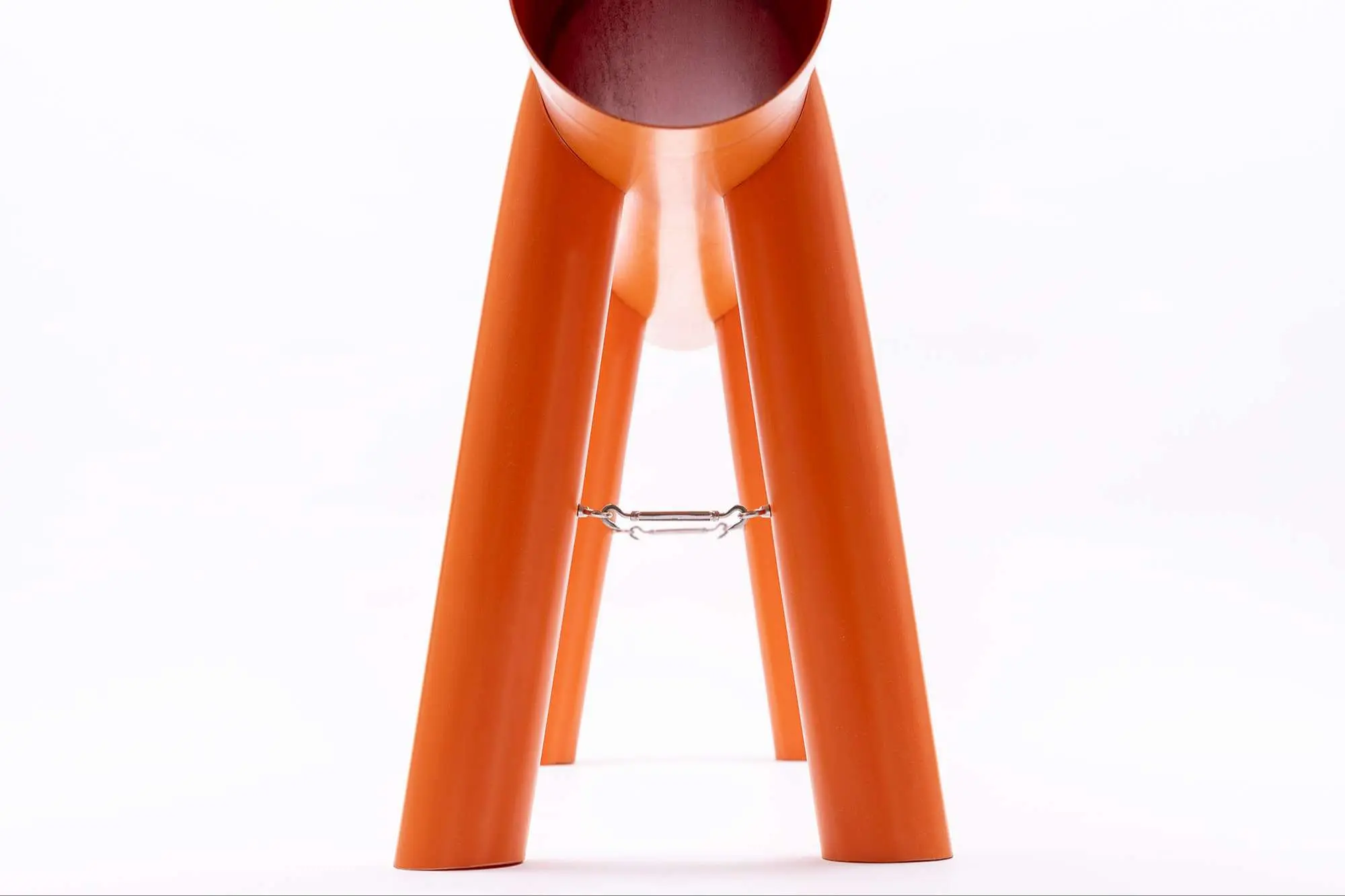
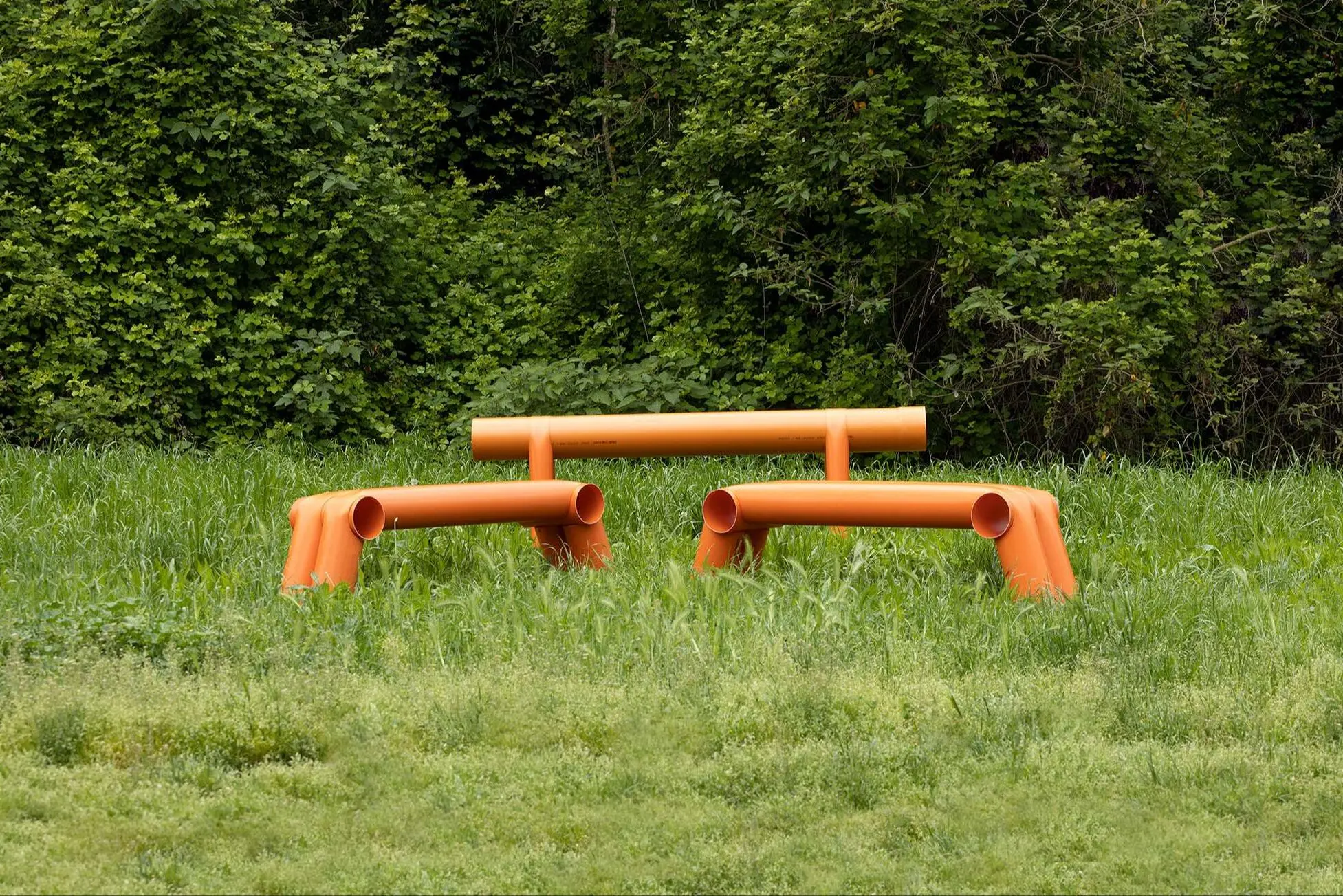
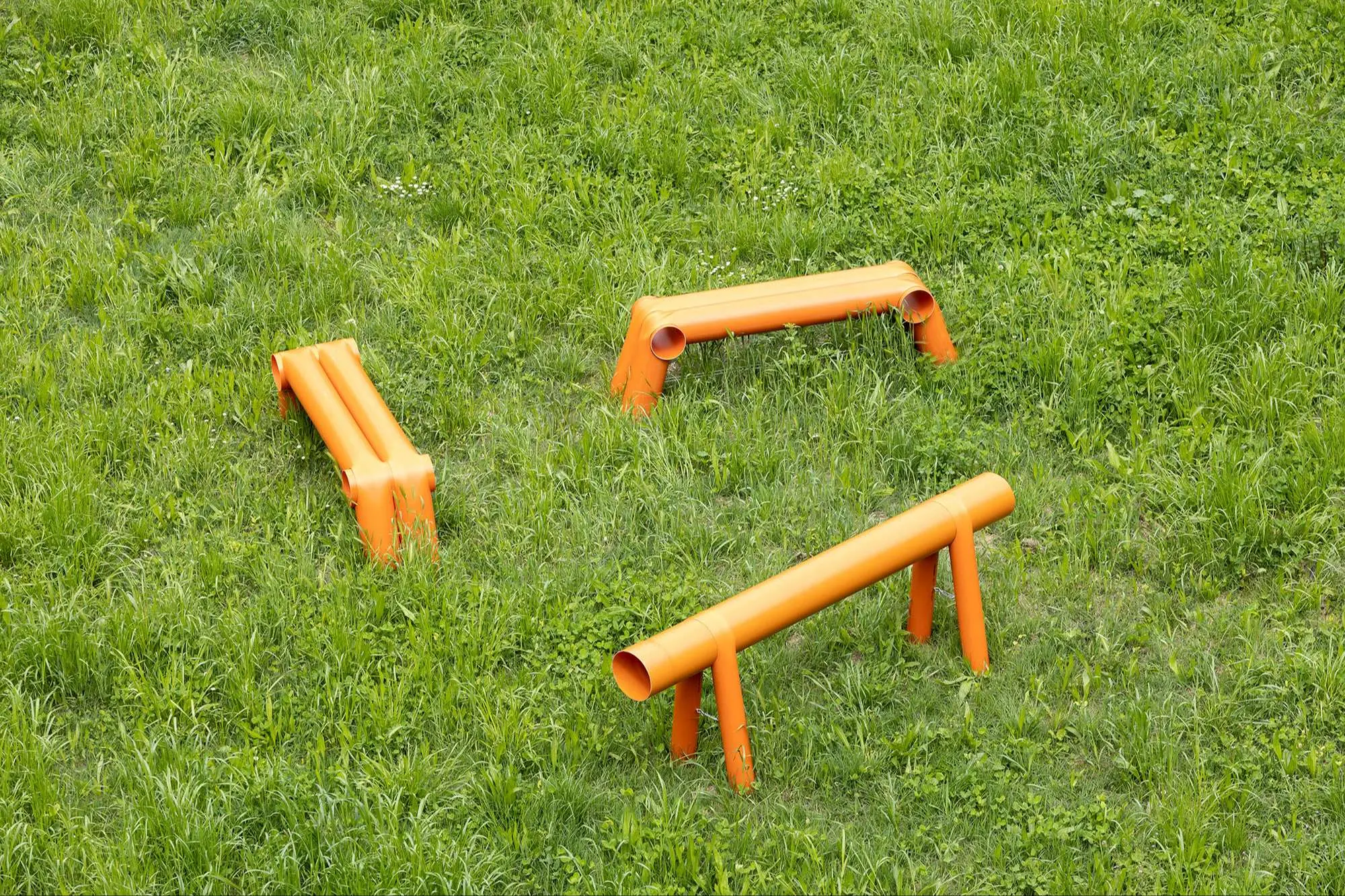
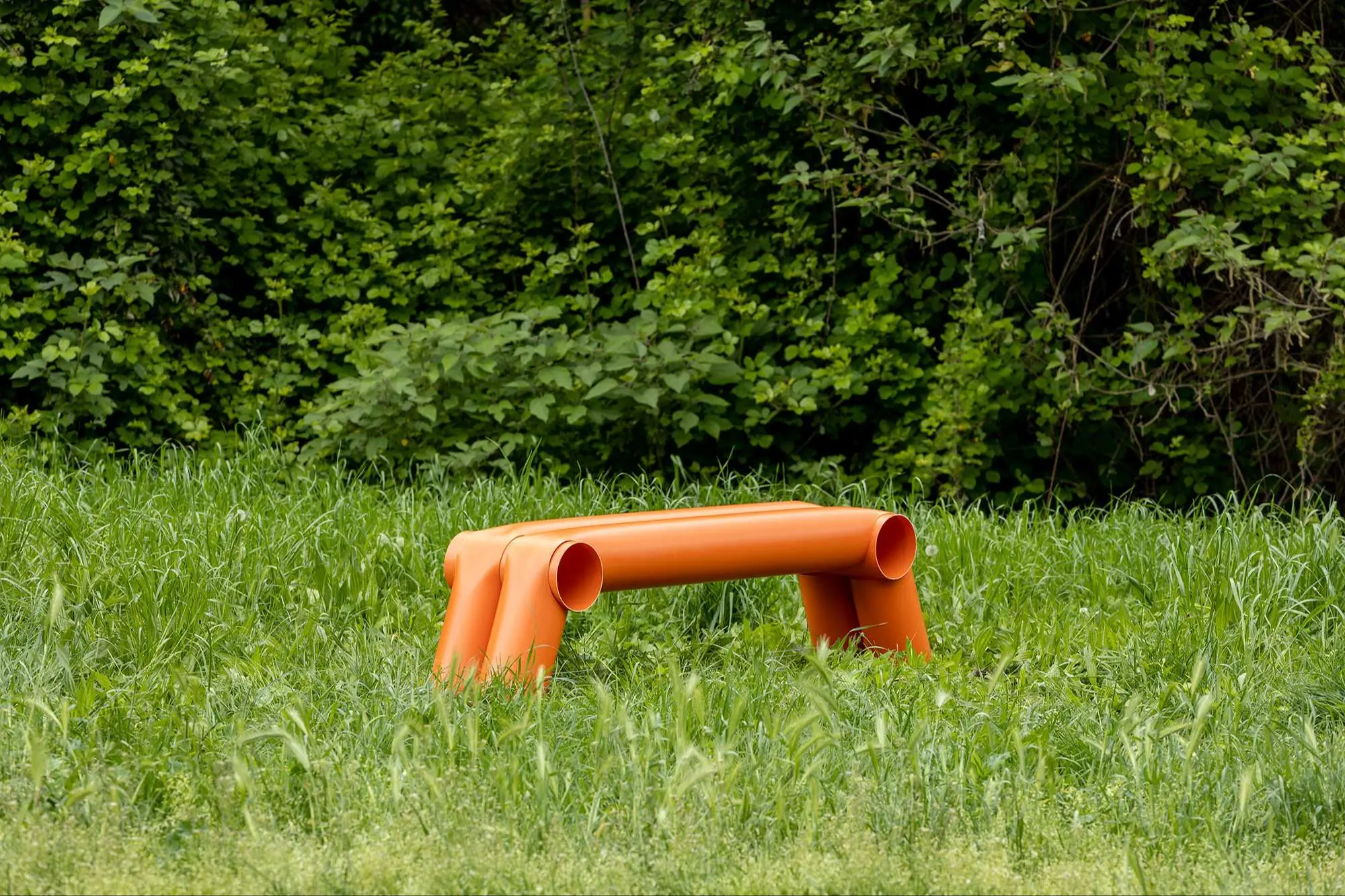
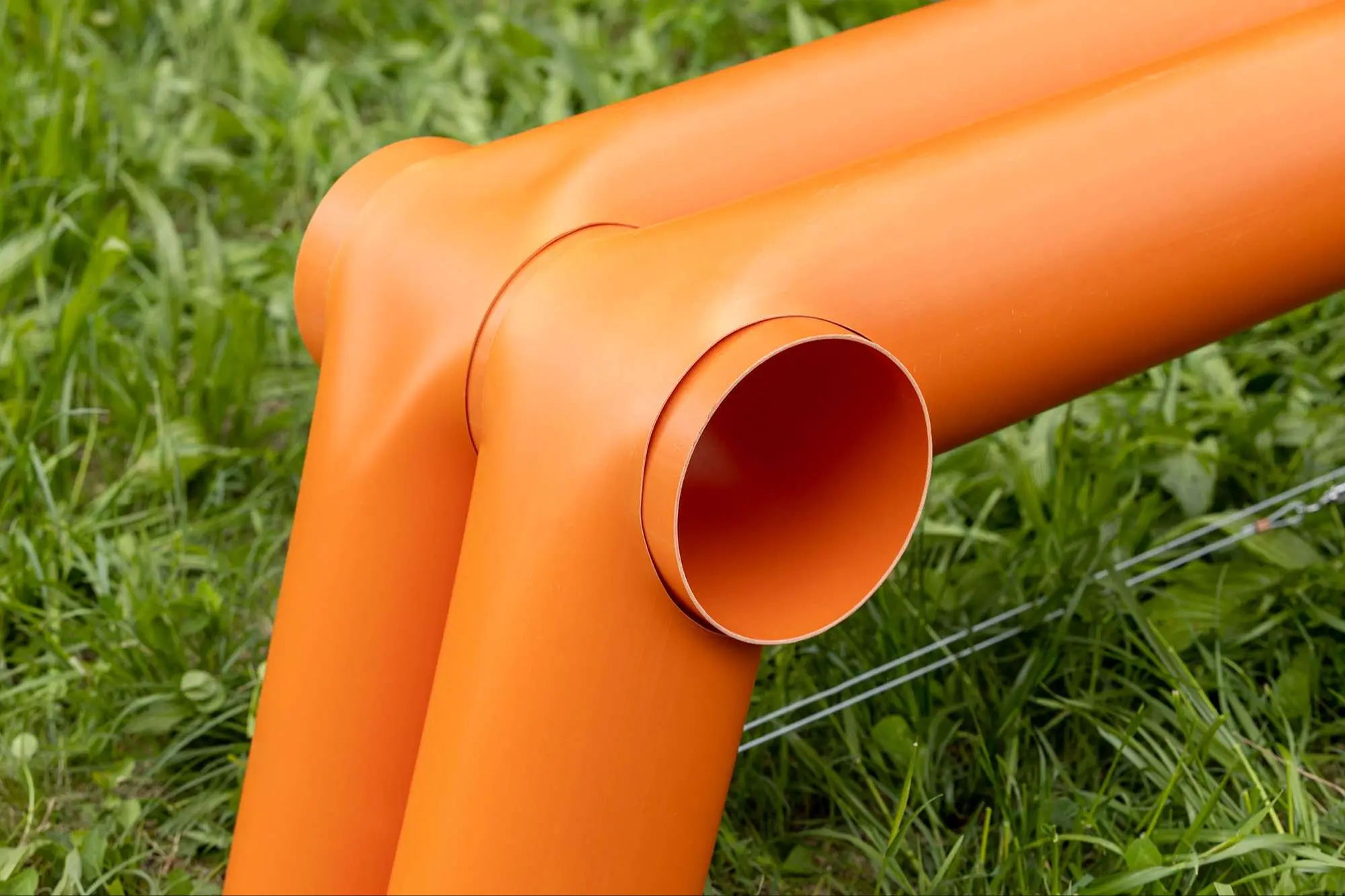
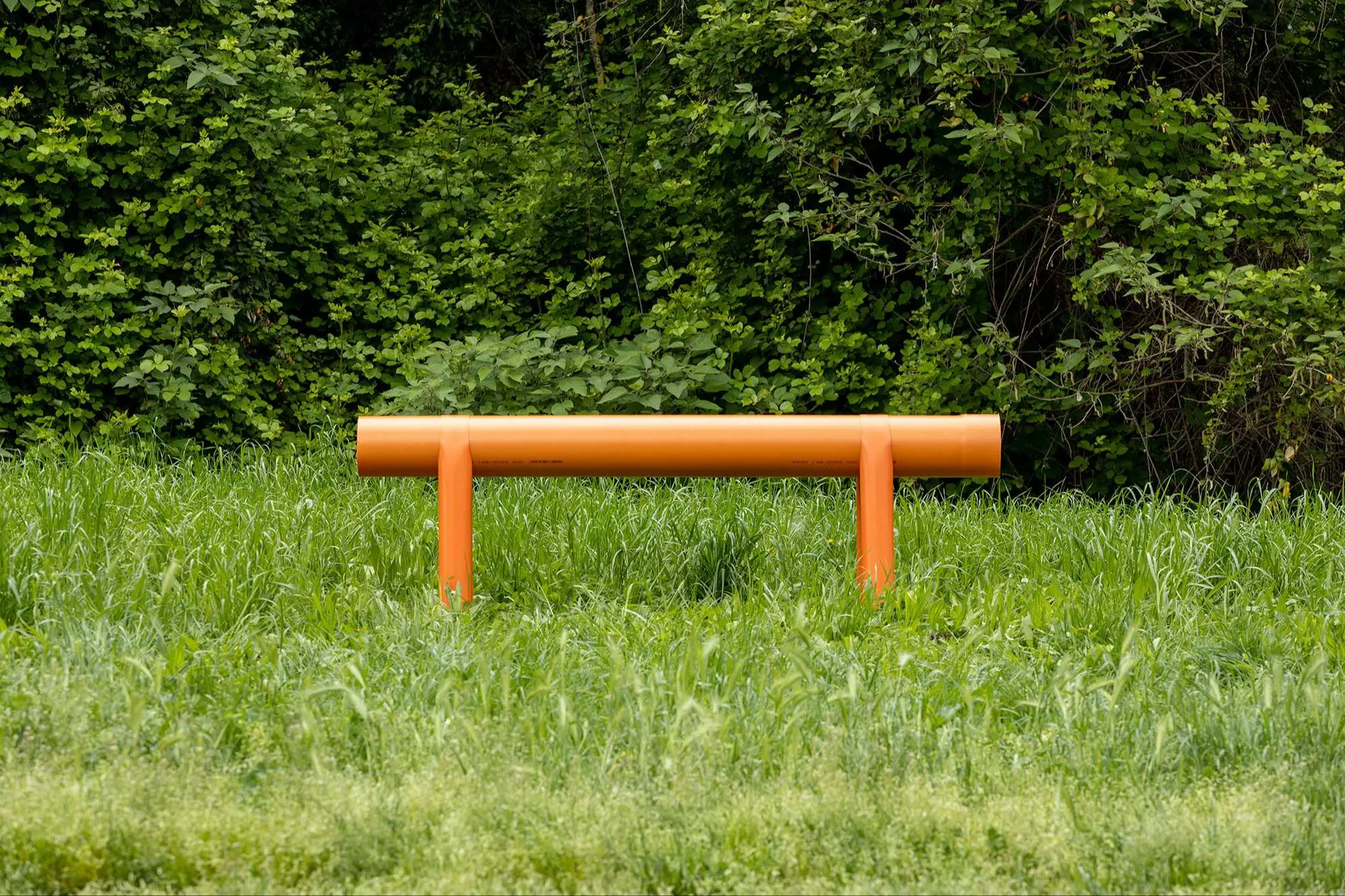
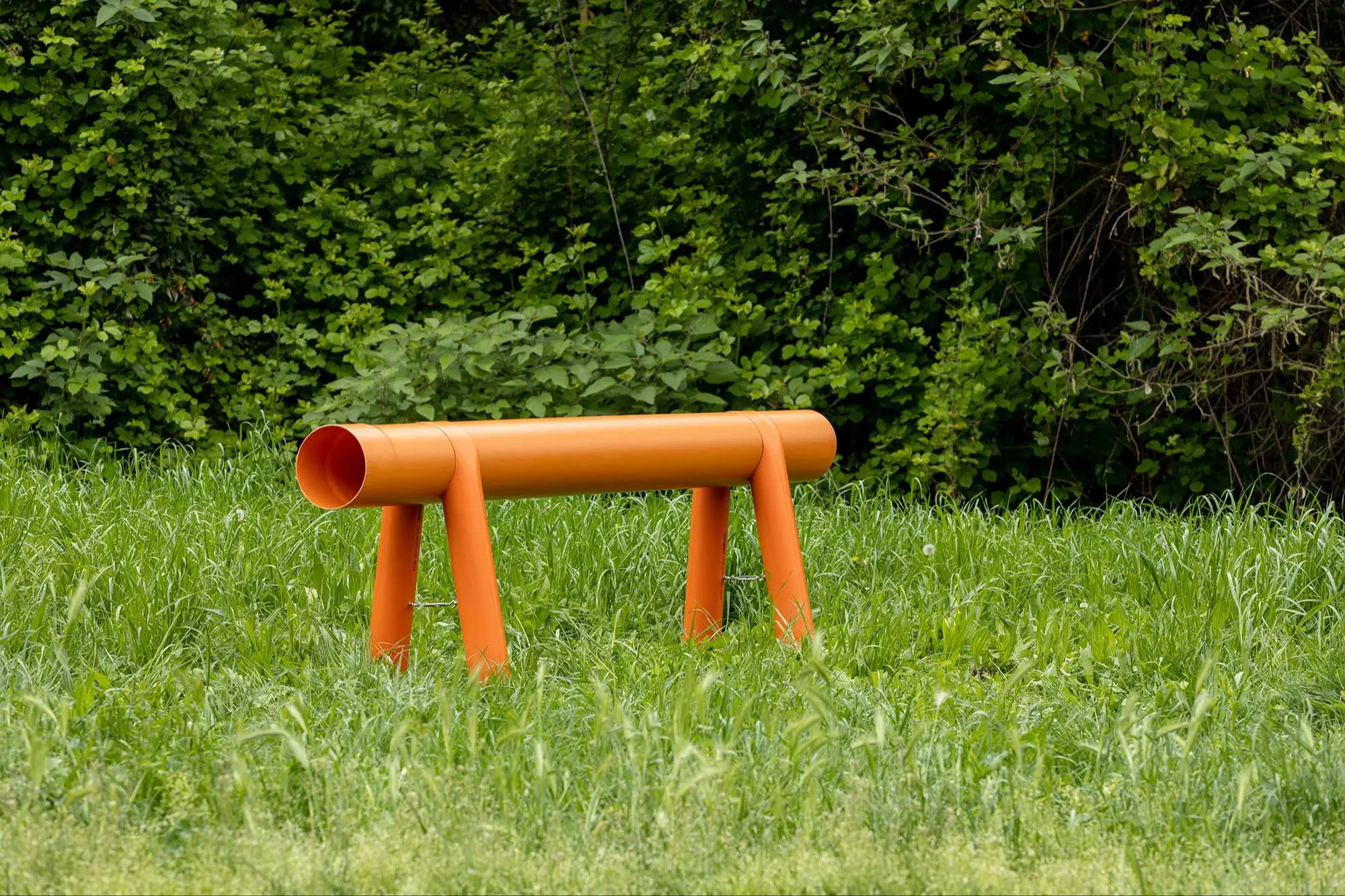
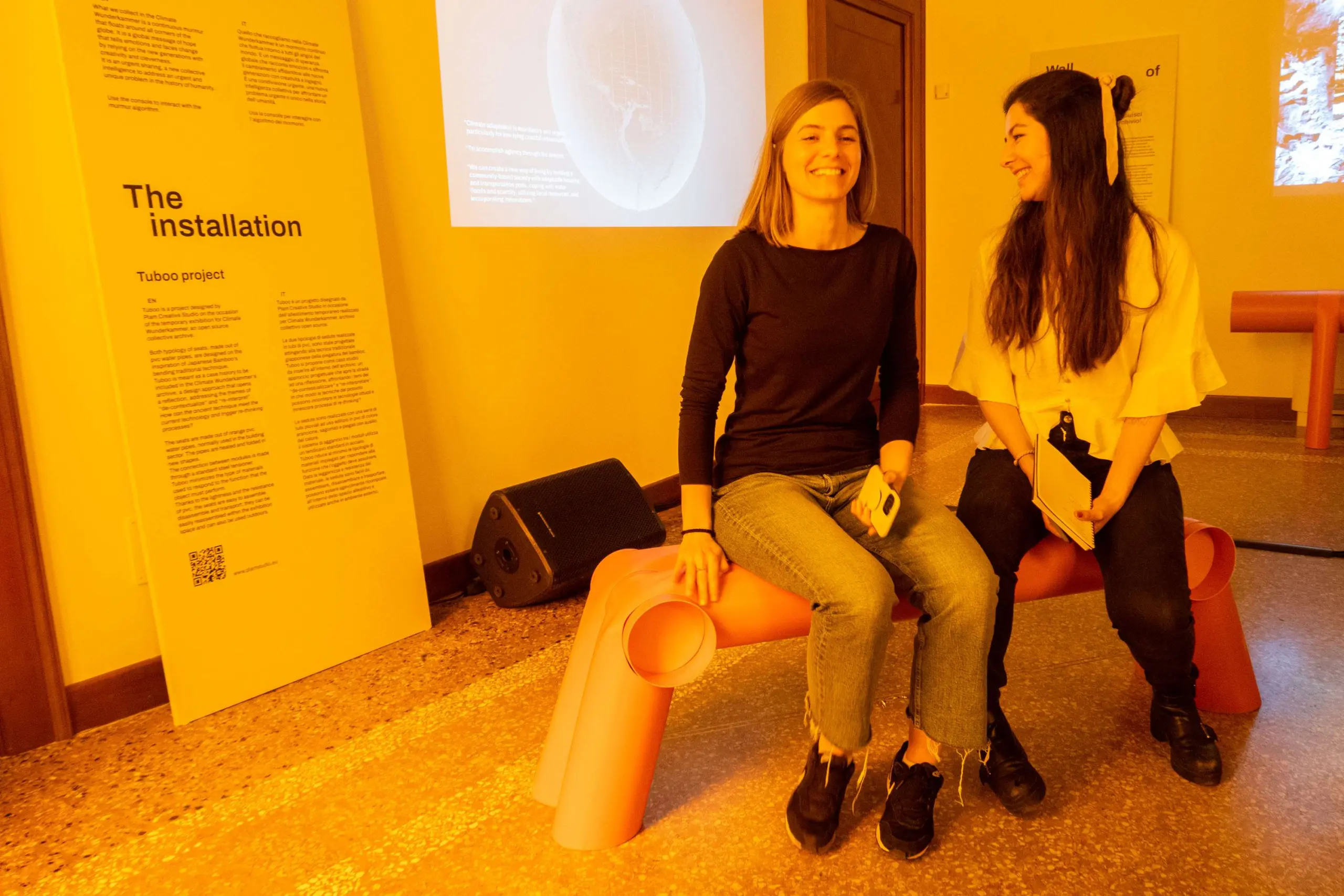
Tuboo is a seating system designed by Plam Studio for the Climate Wunderkammer exhibition.
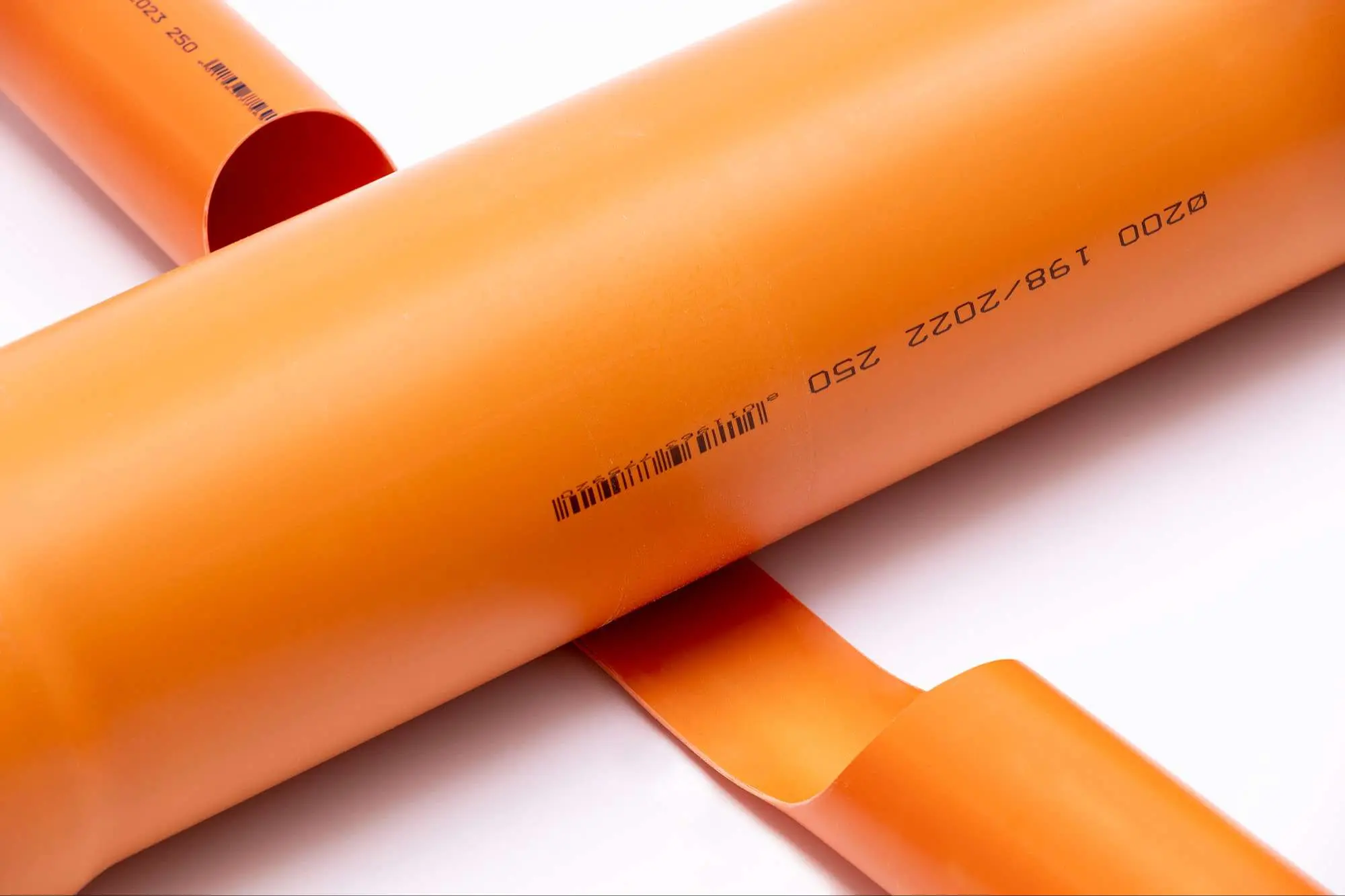
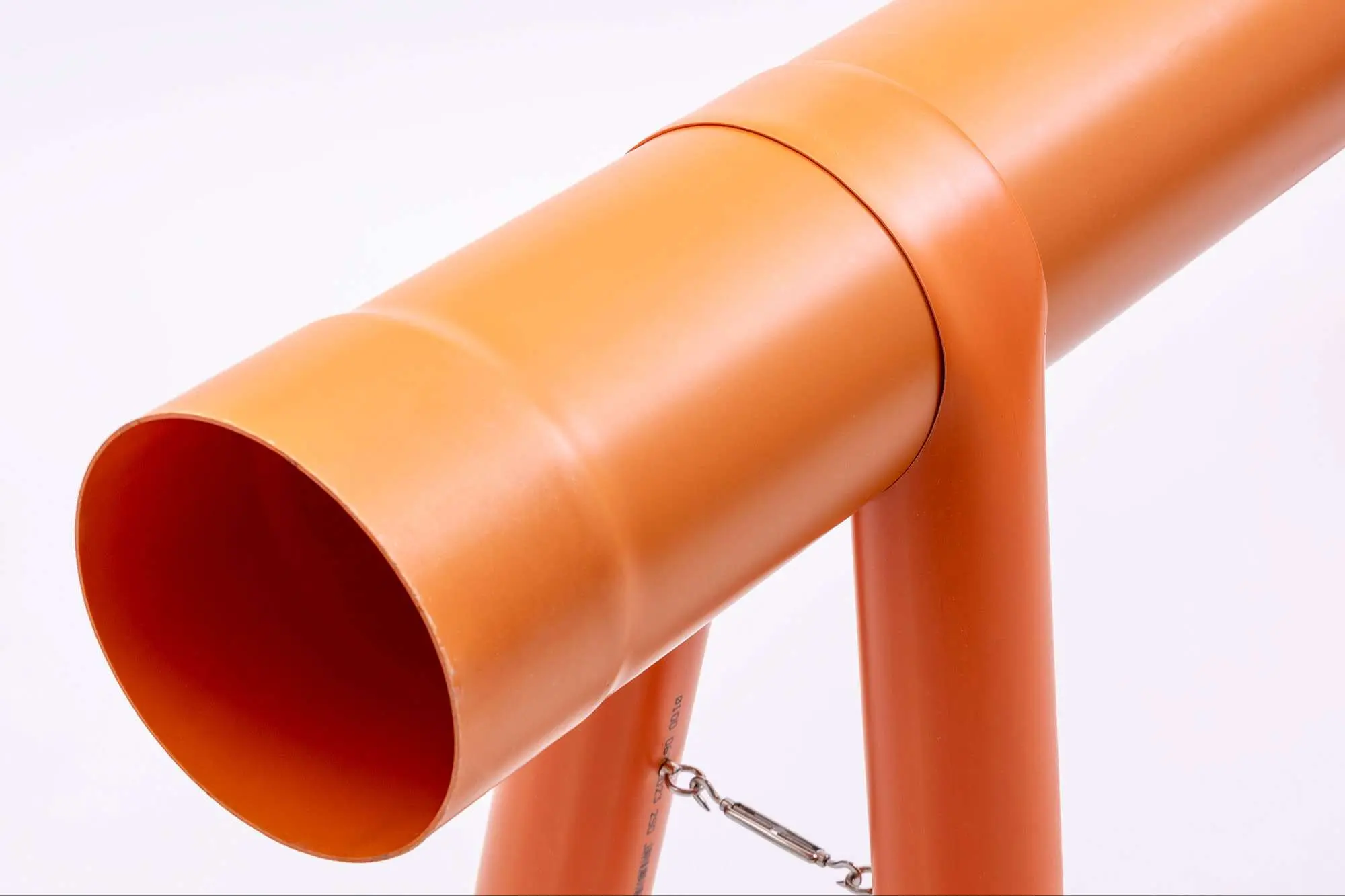
The two types of seating have been designed using the traditional Japanese technique of bamboo bending. Tuboo is proposed as a case study to be included in the Climate Wunderkammer archive: a design approach that paves the way for reflection, addressing the themes of ‘decontextualisation’ and ‘reinterpretation’.
How can techniques from the past meet current technologies and trigger processes of re-thinking?
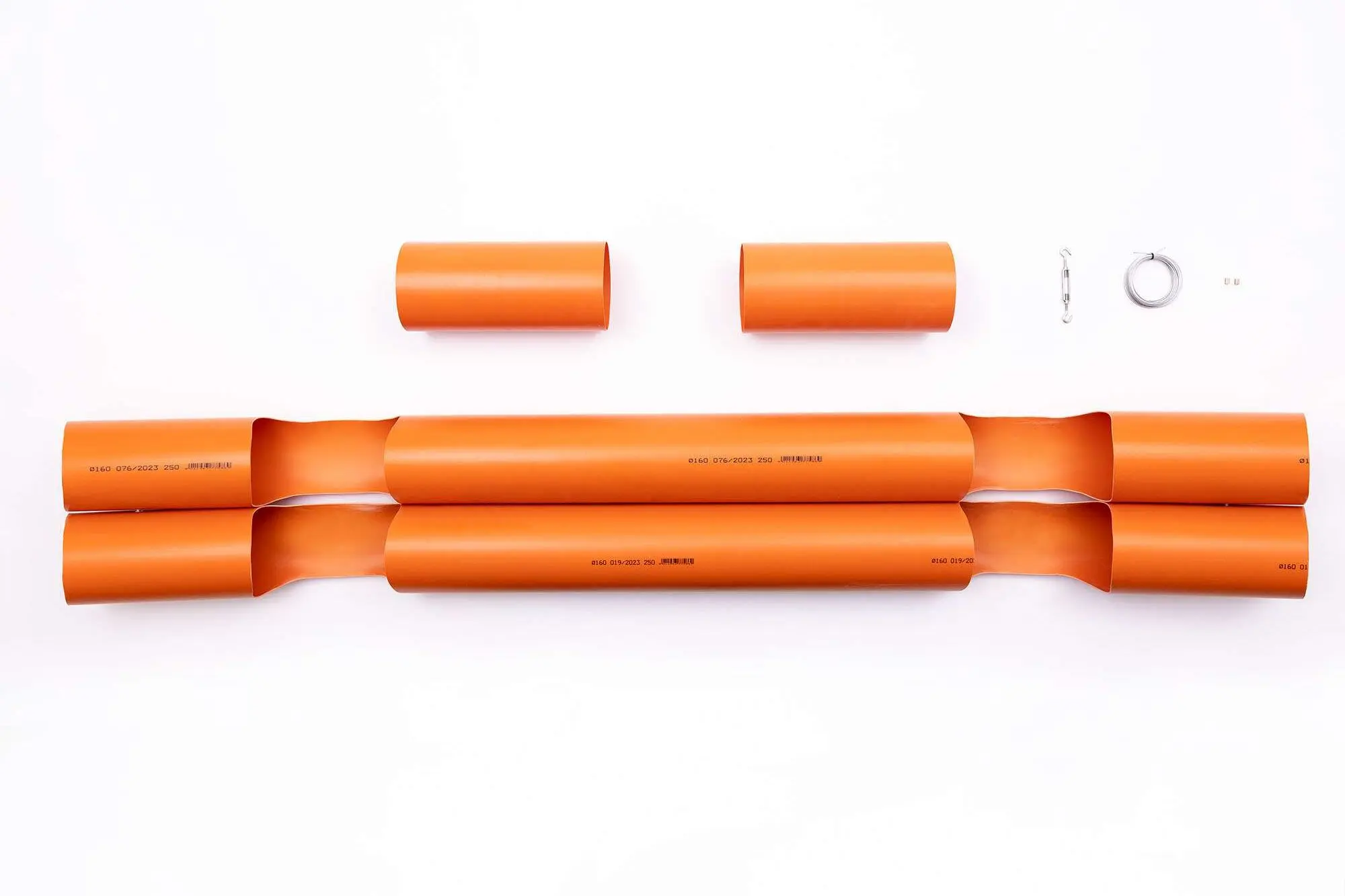
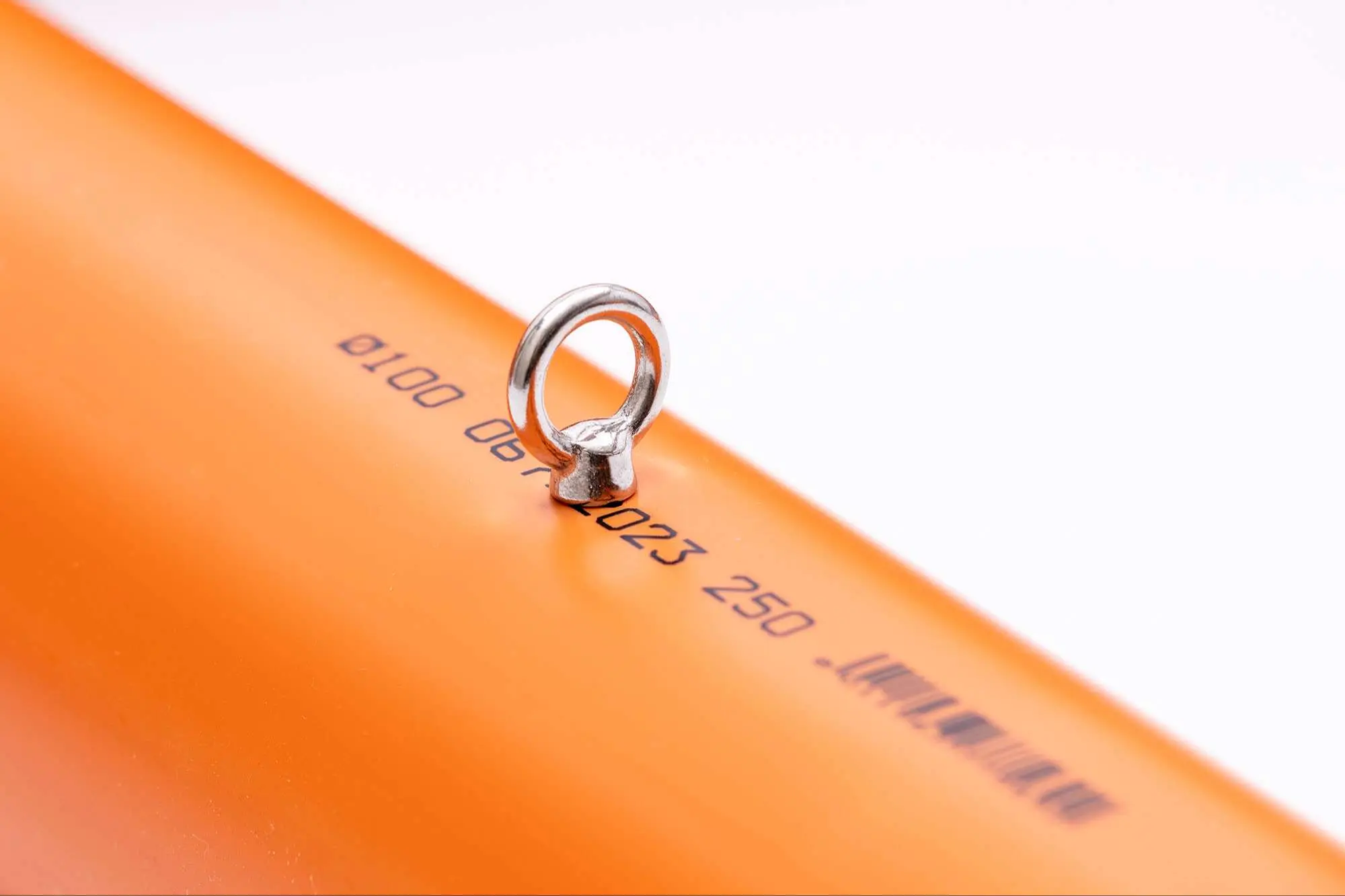
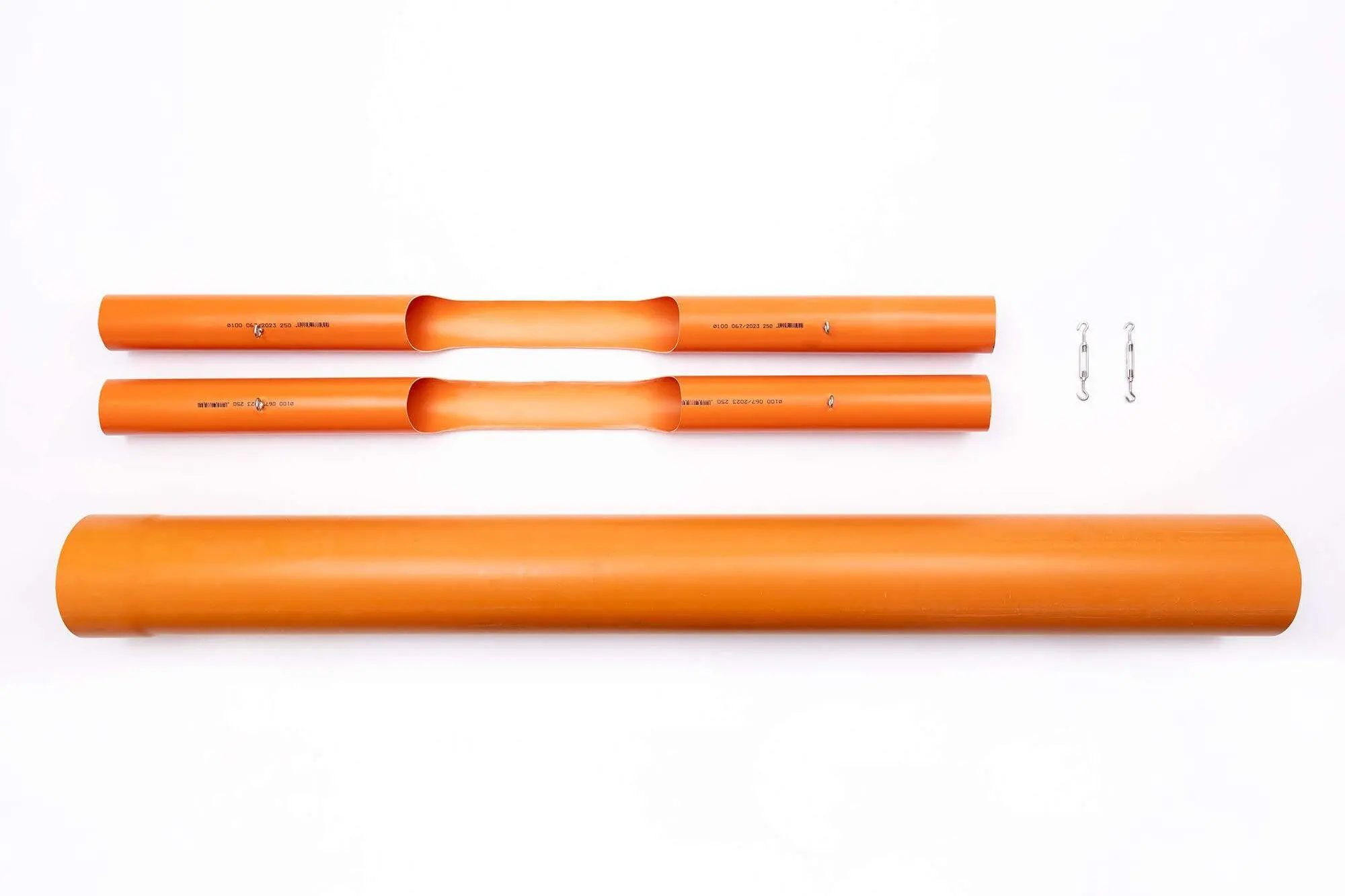
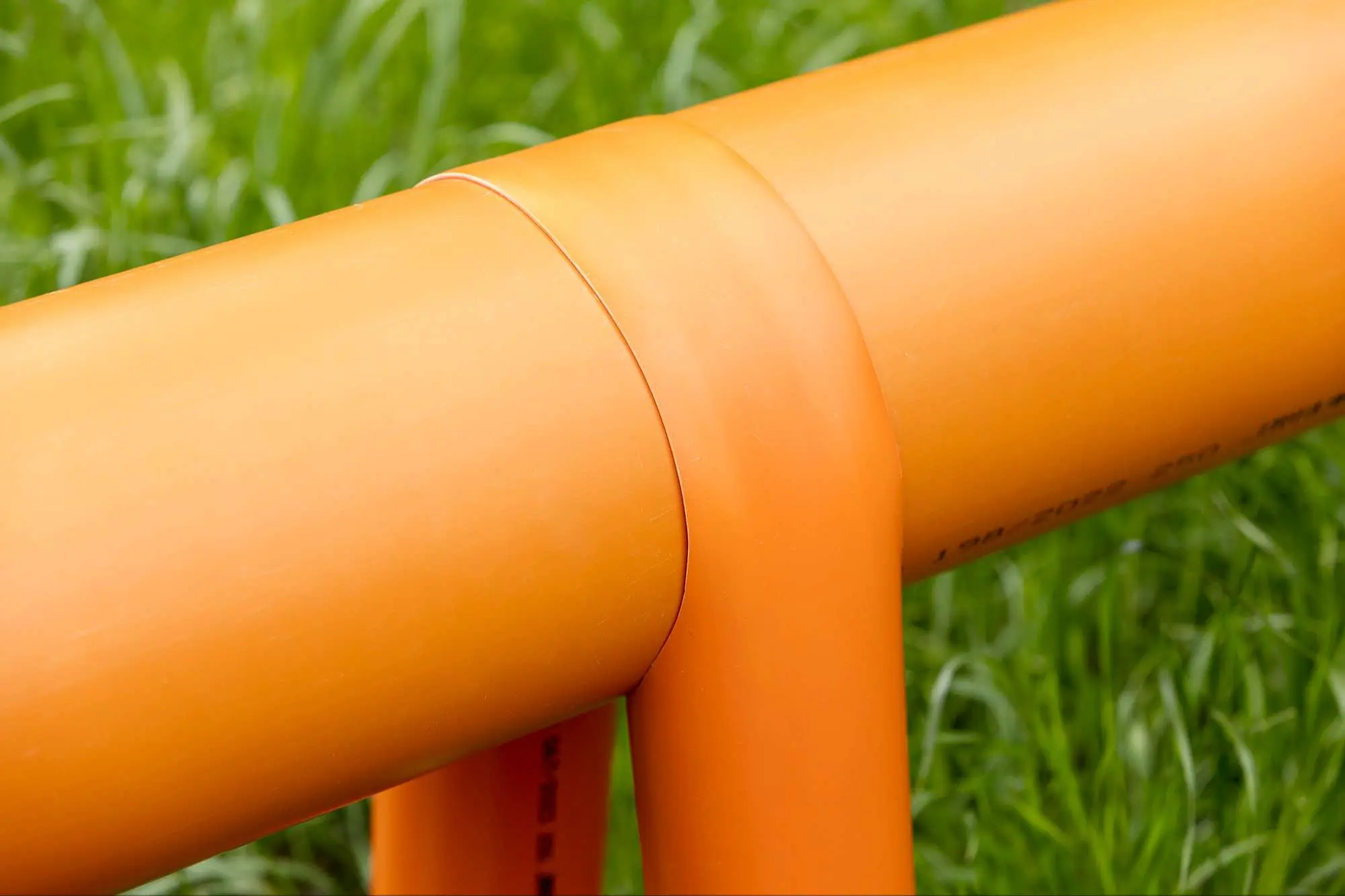
The chairs are made from a series of orange PVC building-grade drainpipes, which are shaped and bent using heat, and are designed to minimise production waste.
Lightweight, durable and affordable, the chairs are easy to assemble, dismantle and transport, making the specific logistical challenges of Venice much simpler to manage.
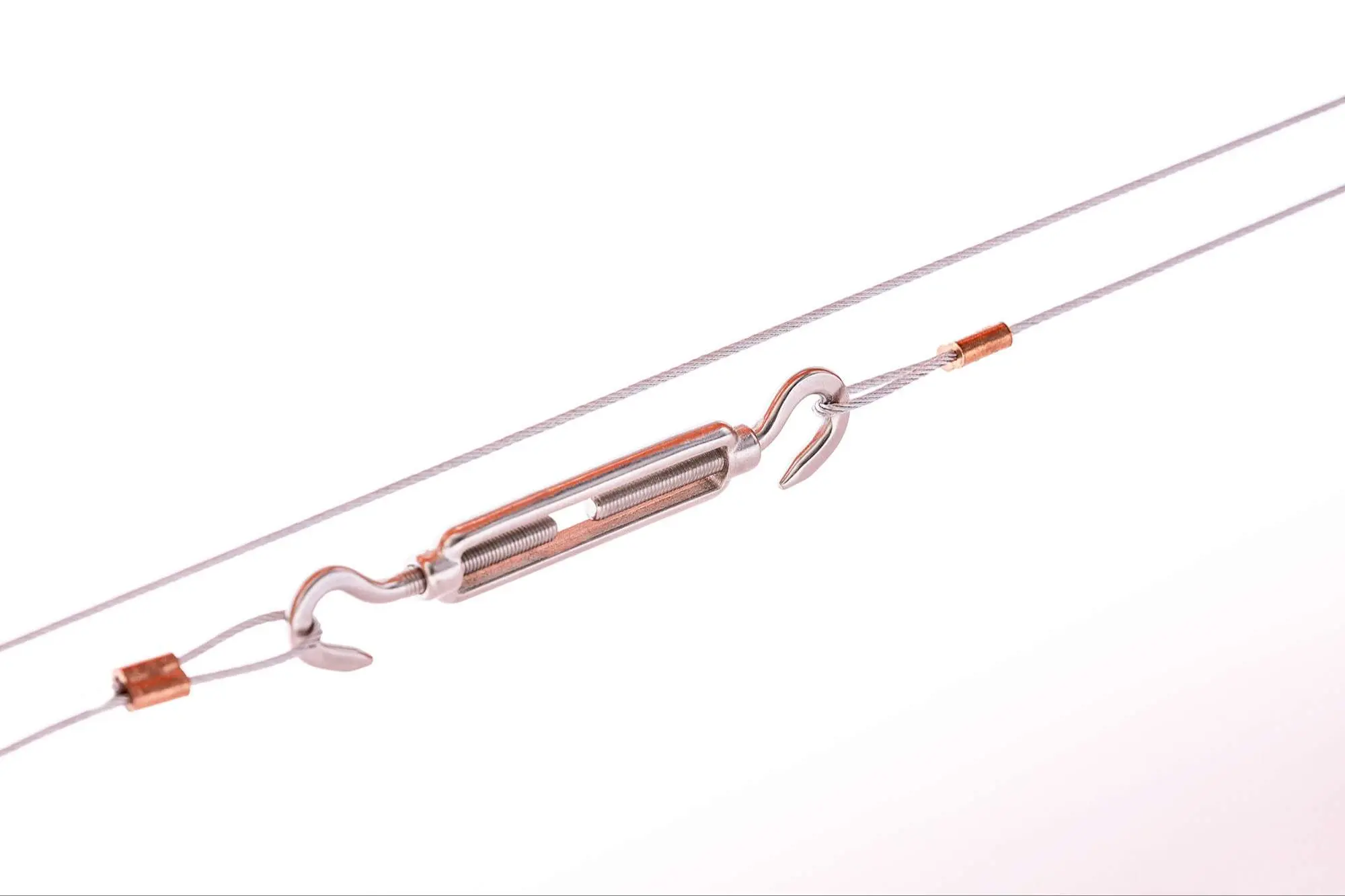
The system for connecting the modules uses a standard steel cable tensioner that is readily available. The design is open-source and can be replicated, giving the material a new form by reimagining its field of application.