Plam is a design studio that operates at the intersection of design and research in the cultural and social spheres. We work on issues relating to community, inclusionand environment, engaging diverse audiences through different forms of expression, spaces and tools.

We work on projects relating to:

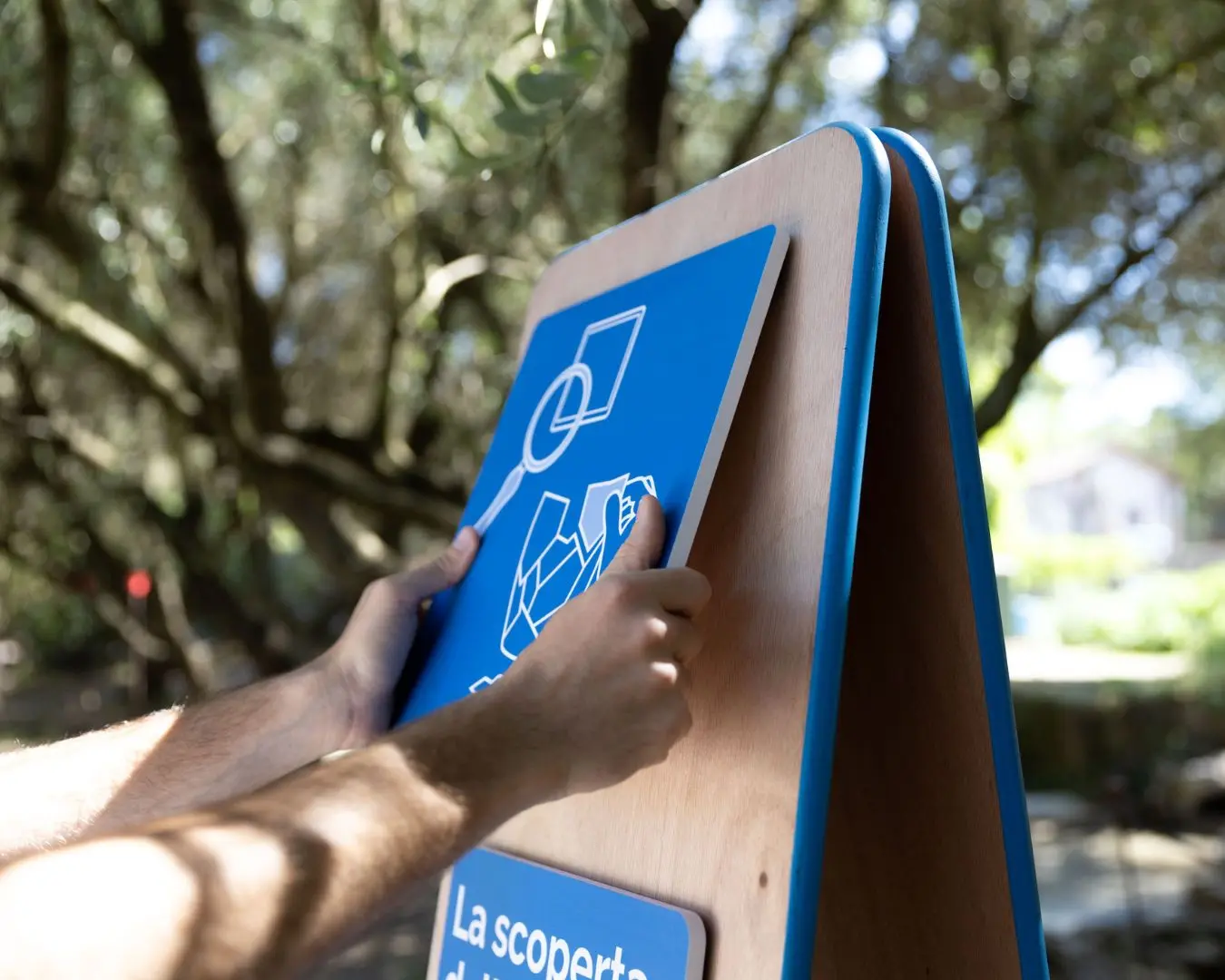
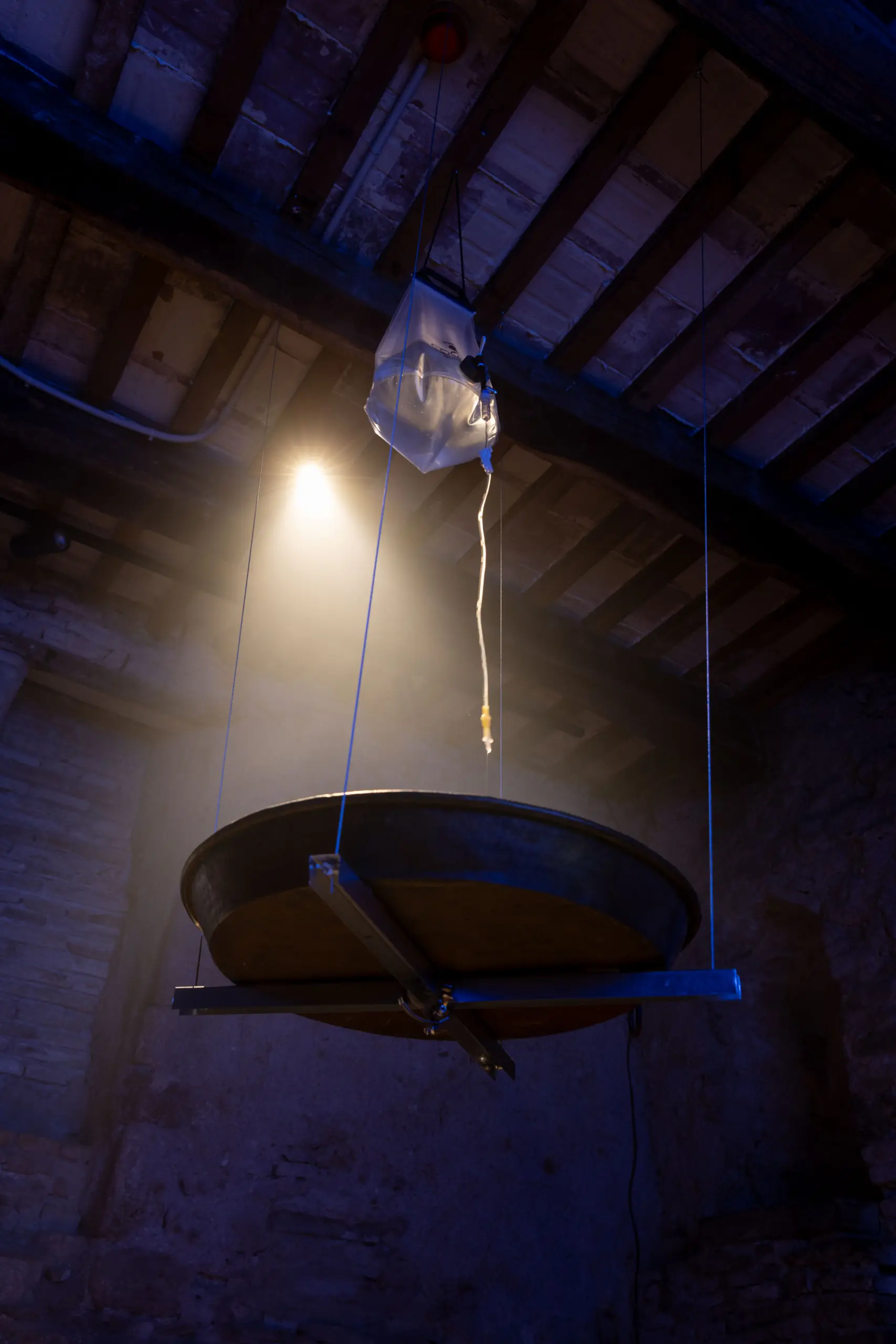
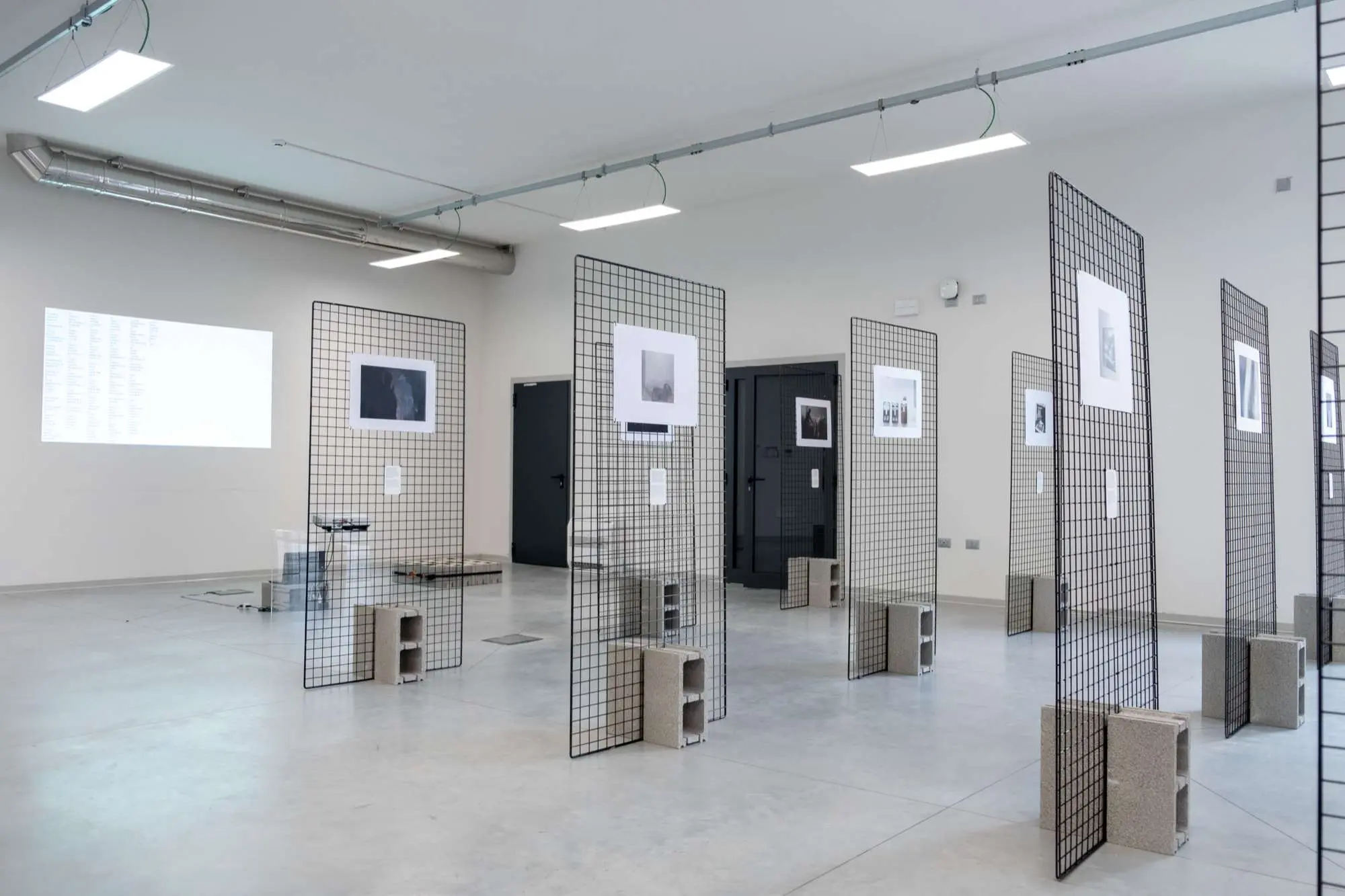
We design for the cultural sector: exhibitions, installations, activities, interactive experiences and narrative journeys, taking an innovative and inclusive approach to make a diverse range of content accessible to a wide audience.


We engage communities in participatory processes, activities and installations. We use co-design as a tool for dialogue, listening and collaboration. Our approach brings people, places and professionals together to generate a positive social impact on the community, fostering collective, participatory and informed growth.


We believe that inclusion and care are integral parts of the design process. Through research, training and participation, we create ‘open’ spaces, workshops and initiatives capable of empowering people and communities, figuring scenarios tailored to their specific needs.


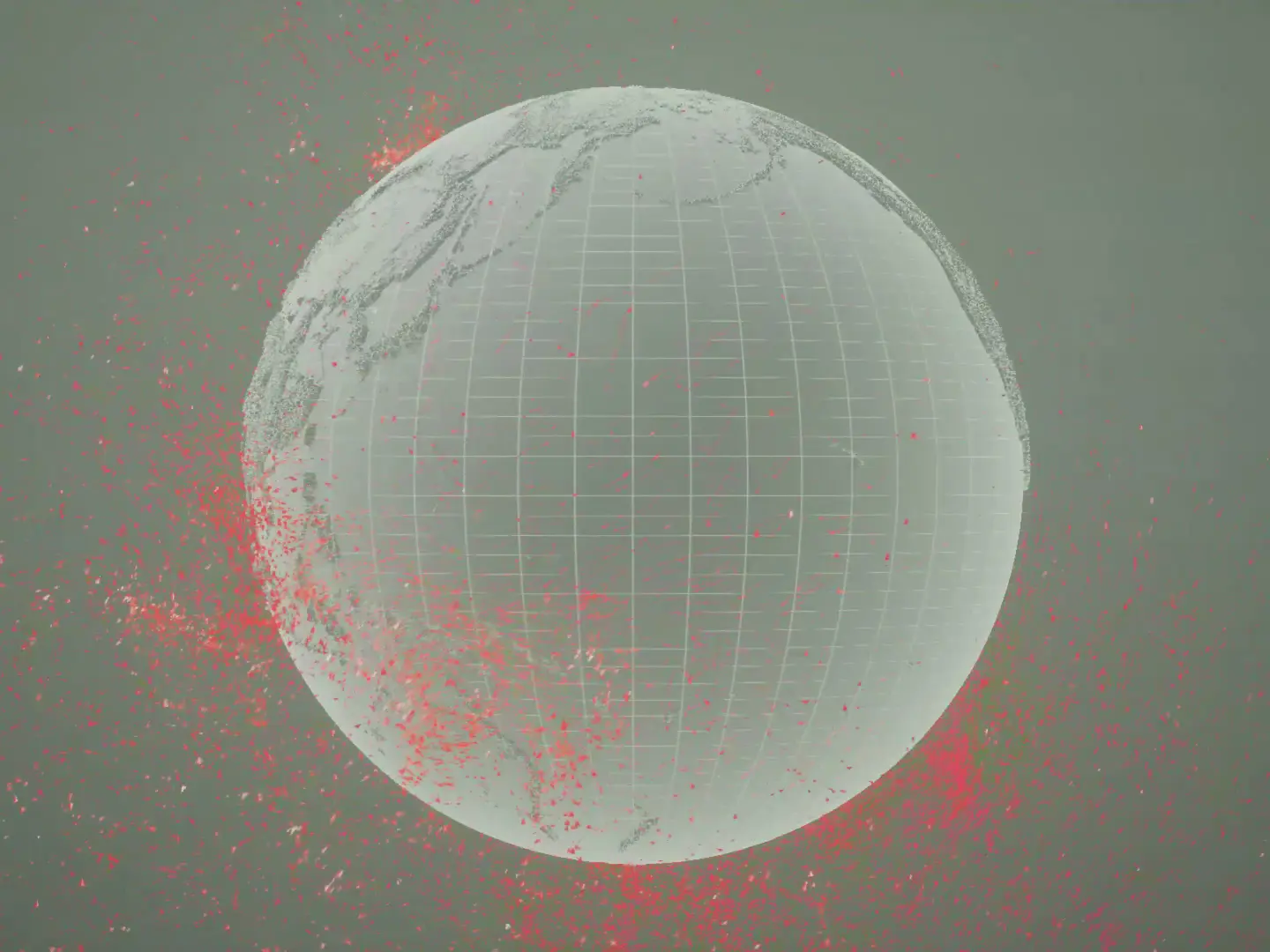
We support environmental awareness by collaborating on projects that raise awareness and empower individuals to take action. We translate complex issues relating to environmental practices, land-use changes and climate adaptation into practical tools, exhibition displays, activities and educational programmes.


We work with schools, organisations and universities to design workshop programmes, training activities and specific workshops. We promote the dissemination of knowledge, skills and values, believing that education is a driving force for change, innovation and social cohesion.


PLAMMIFESTO • Approach

Plam is a design studio operating at the intersection of design, research and experimentation. It adopts a responsive approach sensitive to its context. Through its projects, Plam works in the cultural and social spheres on issues relating to community, inclusion and the environment.

Design is seen as a tool for mediation, transforming complex content into accessible experiences.

Plam believes in accessibility not only in physical terms, but also in perceptual, sensory and cultural terms. A broad and open perspective centred on design that takes into account the specific needs of each and every individual. The project becomes an act of care based on dialogue.

Plam uses co-design to develop solutions based on direct dialogue between different parties: stakeholders with differing experiences, skills and expectations.

Plam takes a playful approach to discovery, seeking to raise awareness through emotions. Research and dialogue with the world of education are seen as integral parts of a process of innovation and constant exchange.

We’re having fun.