Progetto PATH
Culture Inclusion
Services • Consultancy • Graphic • Product Design
The ‘PATH – Perception and Access to Heritage’ research project aims to promote a design culture based on the principles of Universal Design, by developing innovative solutions to enable children with perceptual and cognitive disabilities to engage with cultural heritage.
Scavo Appia Antica 39, Roma • Ferrara • 2024-26
FUNDED BY
Bando PRIN 2022 PRNN
SCIENTIFIC COMMITTEE
University of Ferrara (Benedetta Caglioti, scientific coordinator; Giorgia Sala, research fellow)
University of Padua
Suor Orsola Benincasa University of Naples
USEFUL LINKS
https://www.progettopath.it/
COLLABORATORS
Stood Lavorazioni
Il Nodo Aps Association, Ferrara
Italian Union of the Blind and Partially Sighted – Ferrara
The PATH project
Taking an interdisciplinary approach that draws on architecture, psychology and the sociology of law, the Department of Architecture at the University of Ferrara, in collaboration with Plam Studio, has launched four experimental projects aimed at improving access to culture, whilst also offering children an opportunity for socialisation and personal development.
The experiments were conducted in various settings, including an archaeological excavation site, a museum, a park, and a historic city centre, with the objective of identifying shared strategies that would facilitate access to and enjoyment of cultural venues.
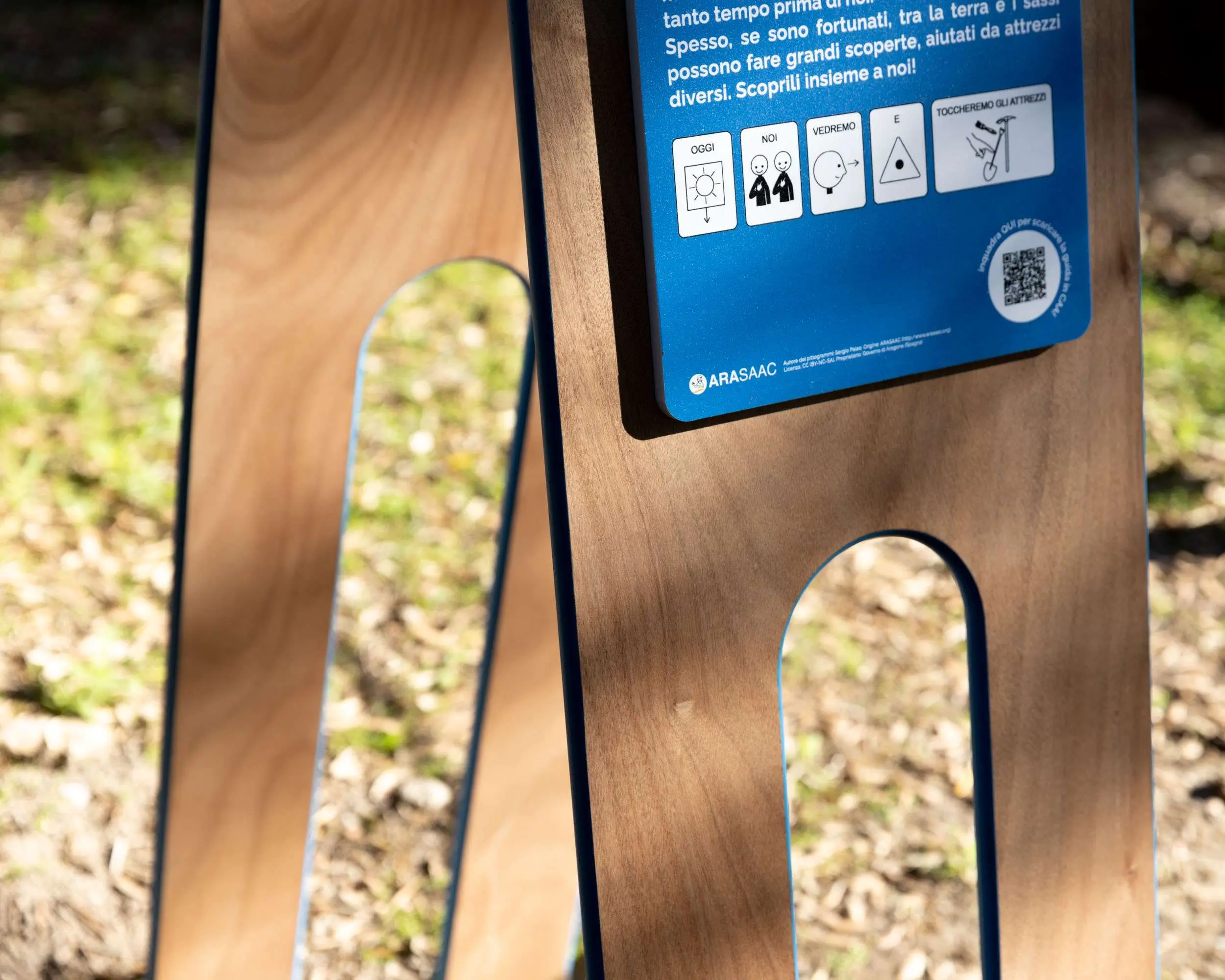
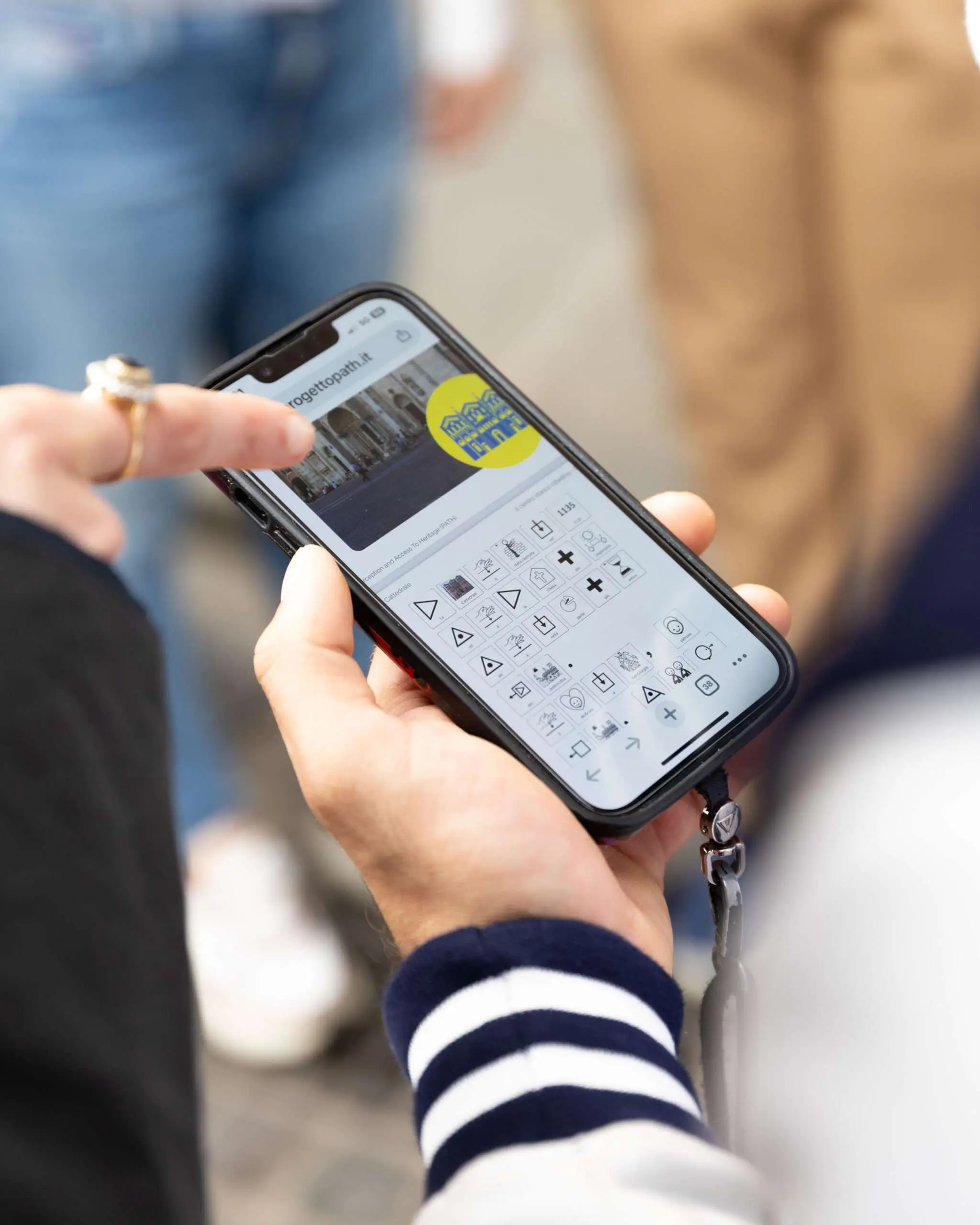
In cooperation with the Il Nodo association in Ferrara, all texts relating to the planned activities were translated into CAA (Alternative and Augmentative Communication) and suitable printed guides were produced and made available to download from the project website.
Project 1: The archaeological excavation at 39 Via Appia
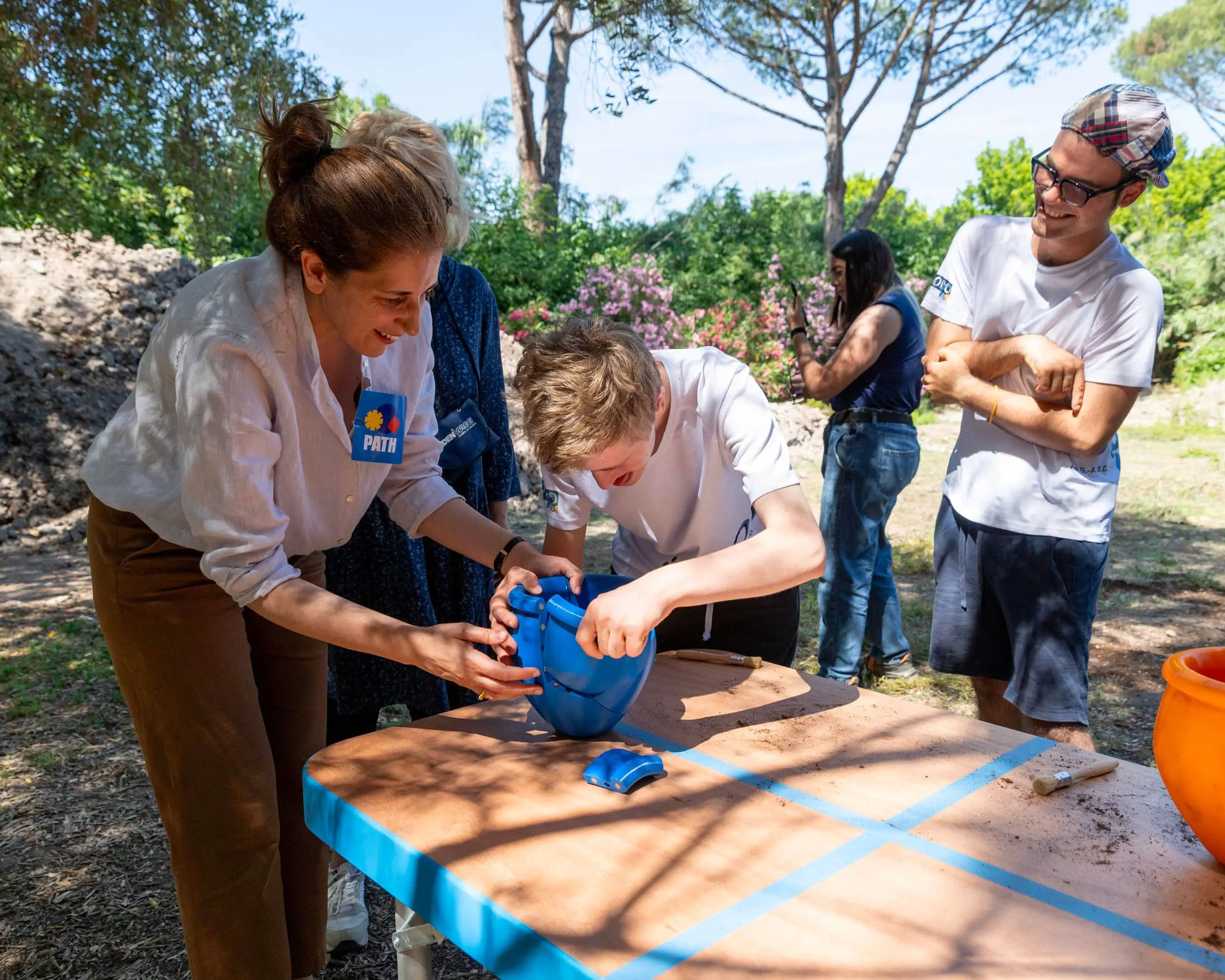
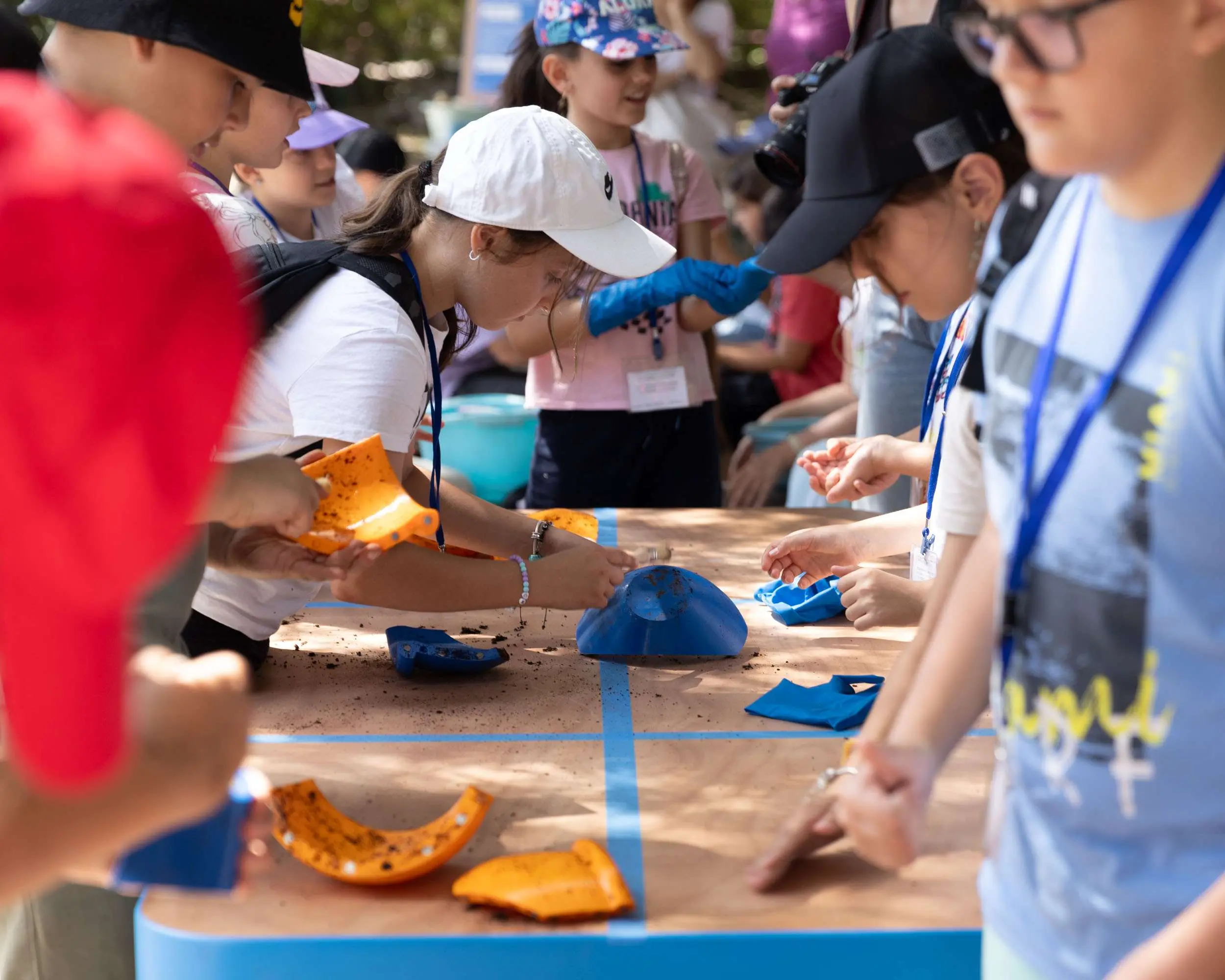
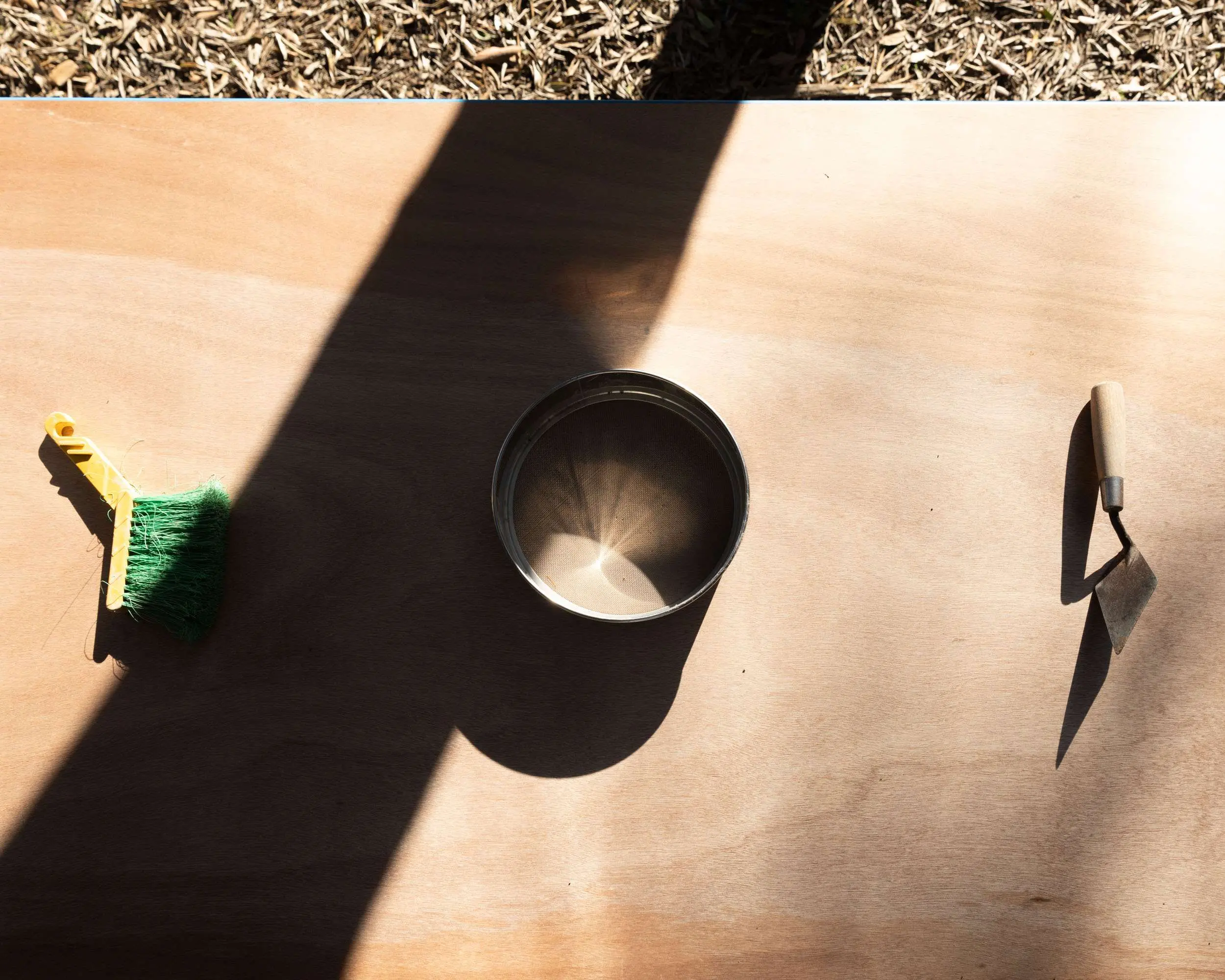
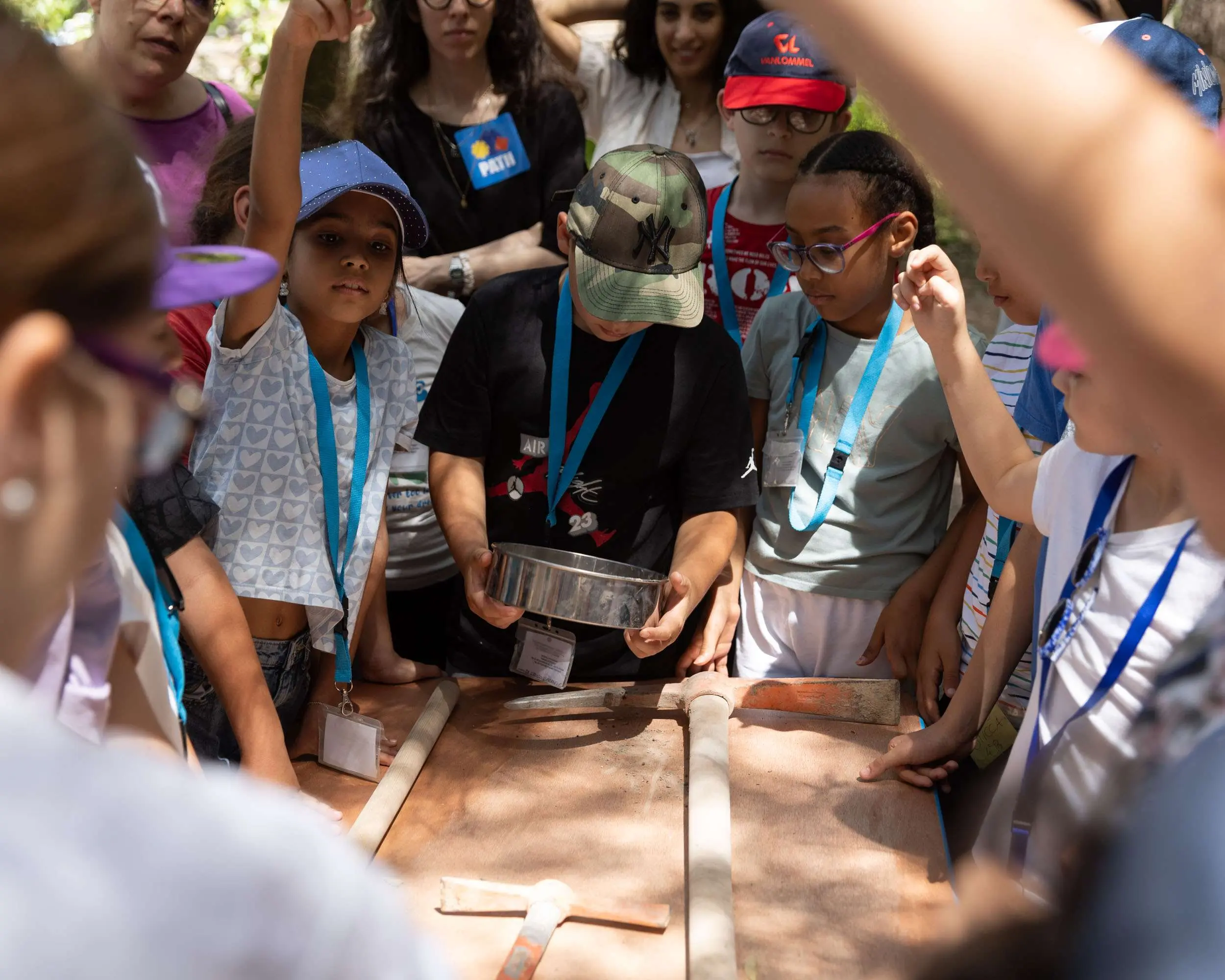
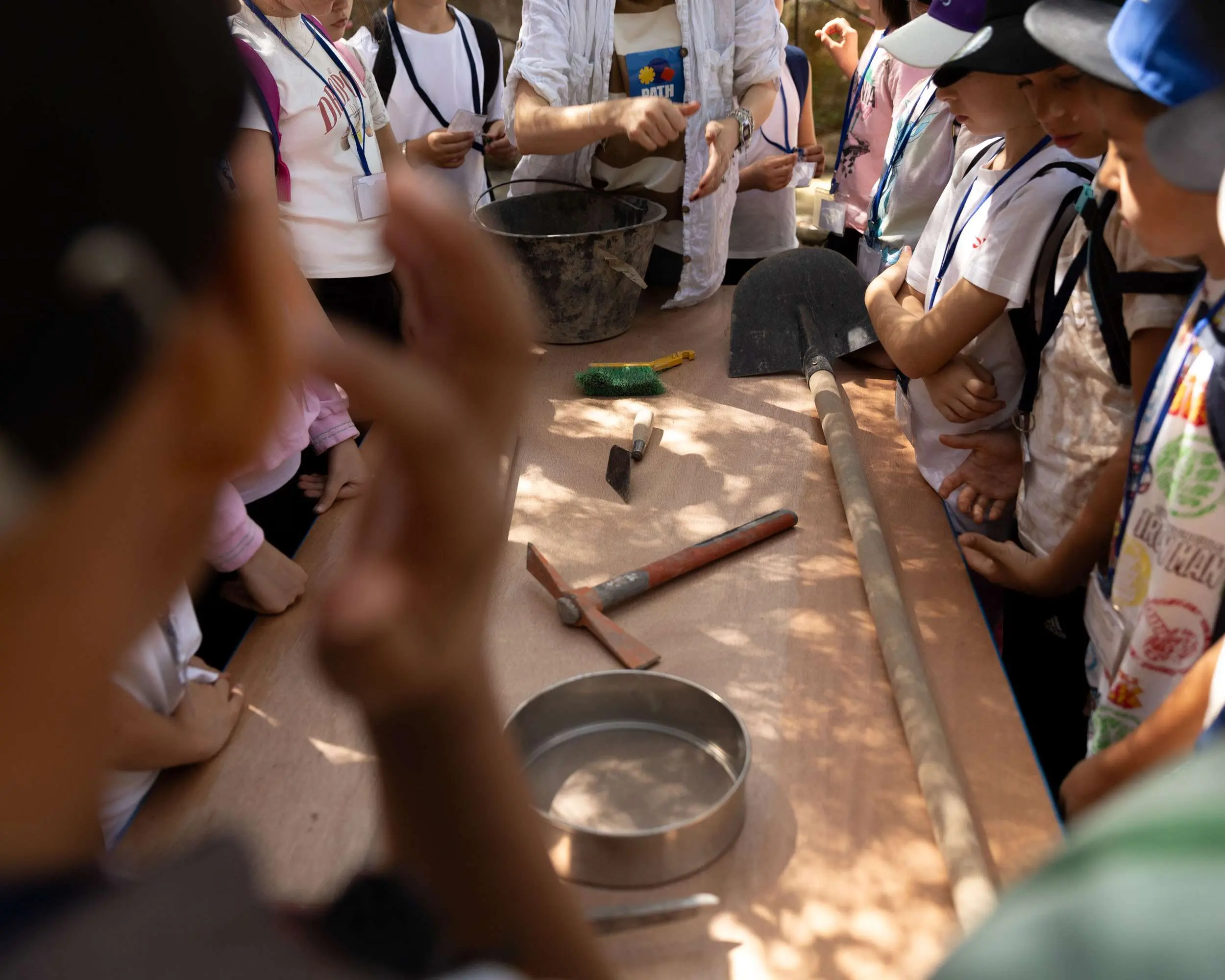
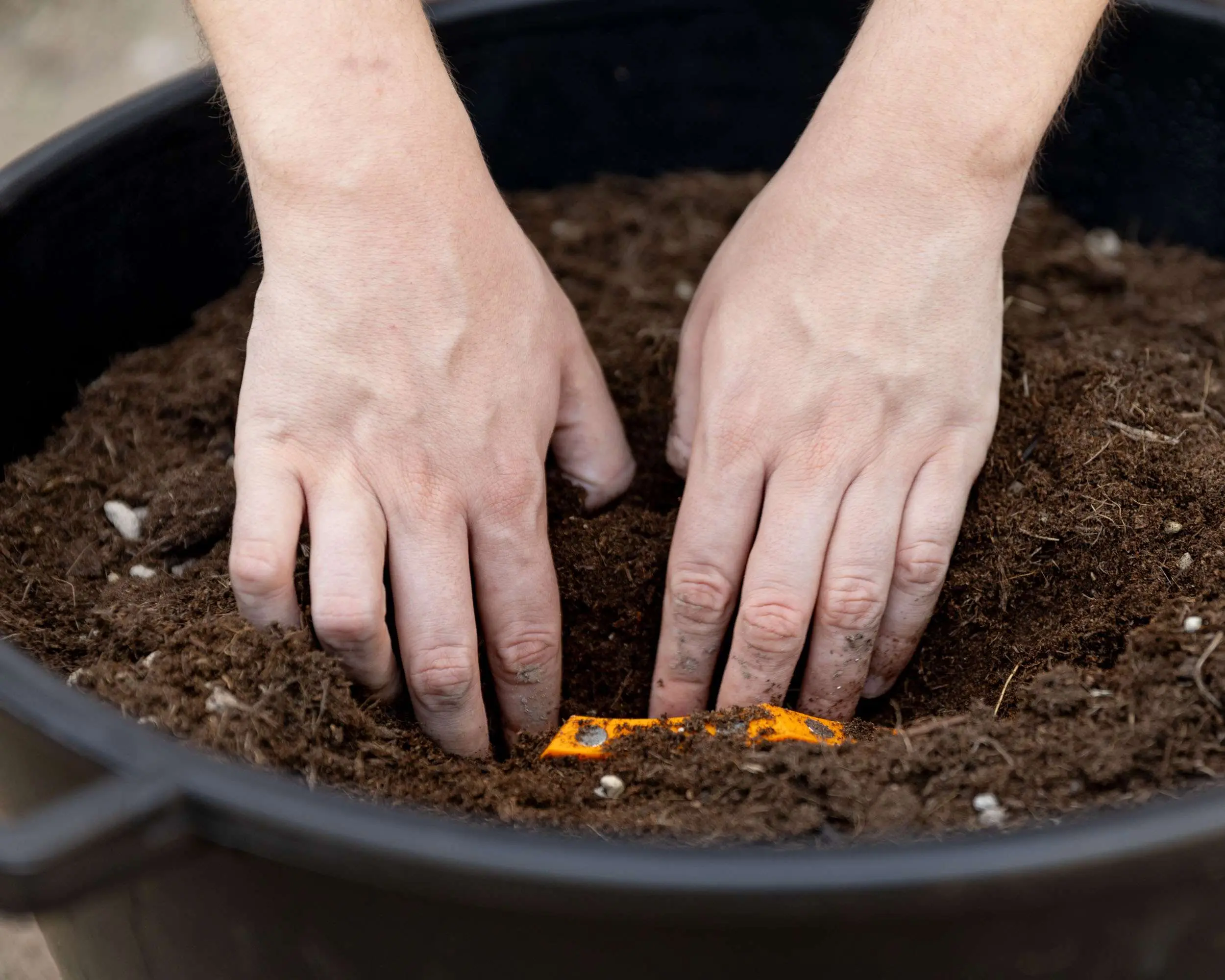
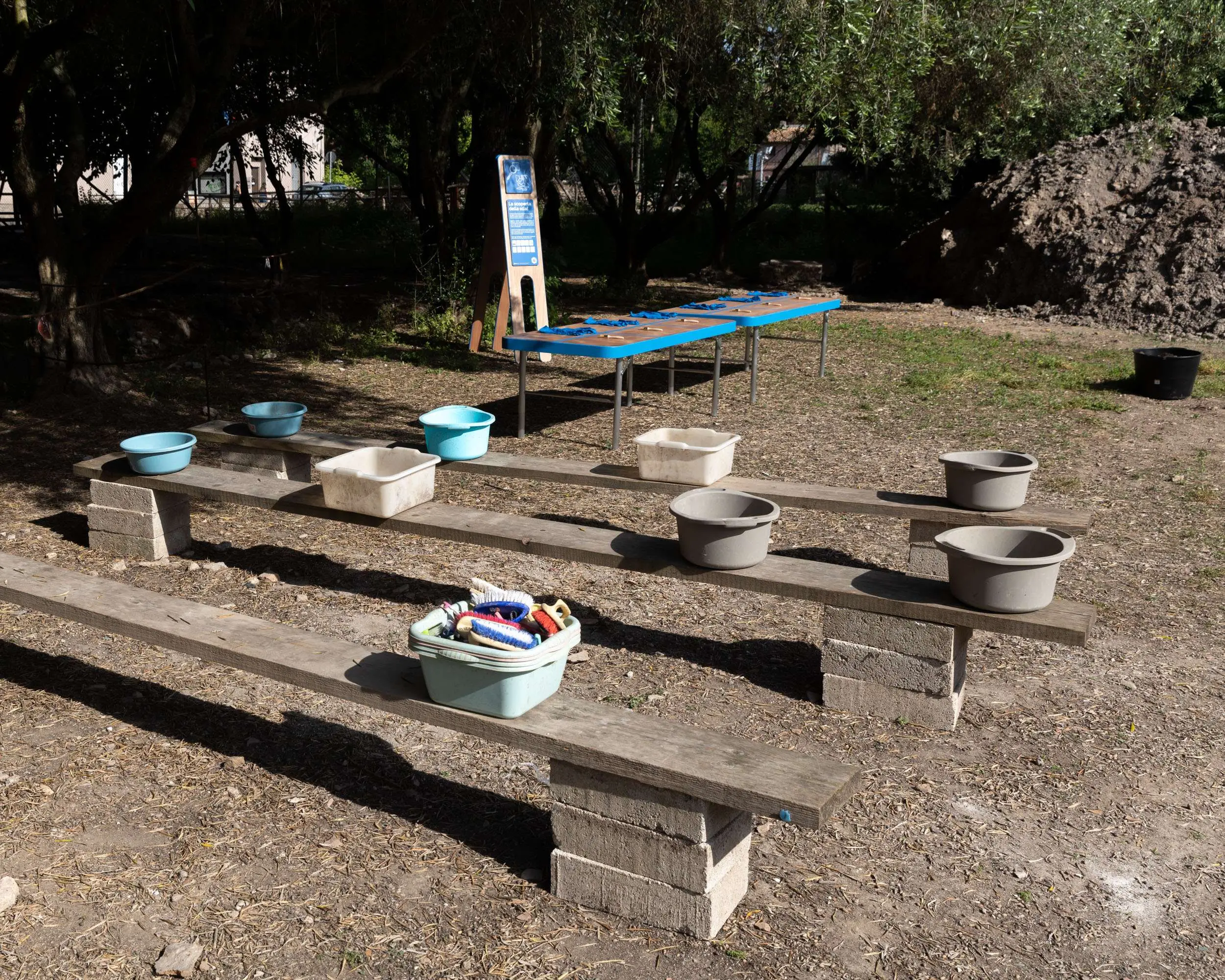
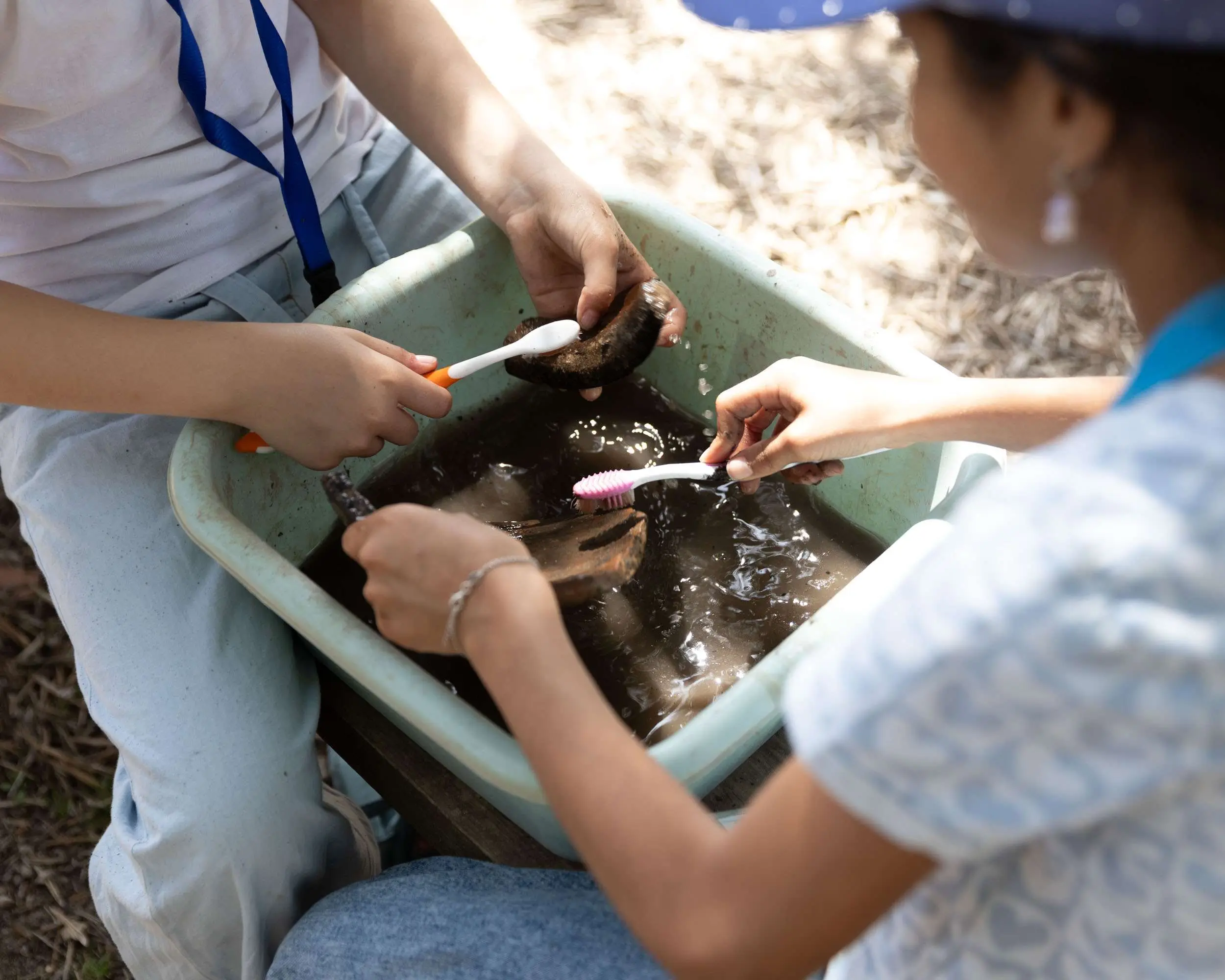
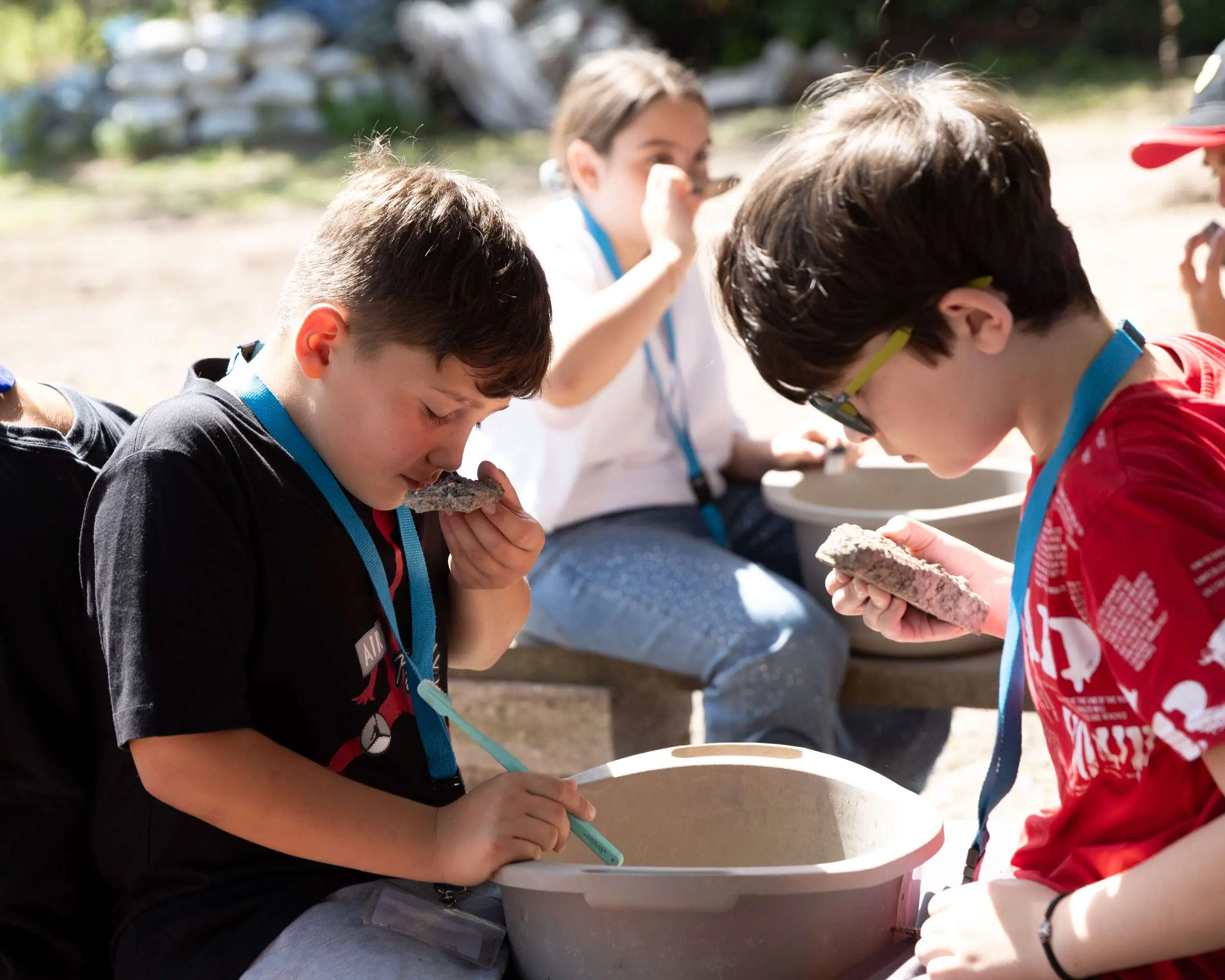
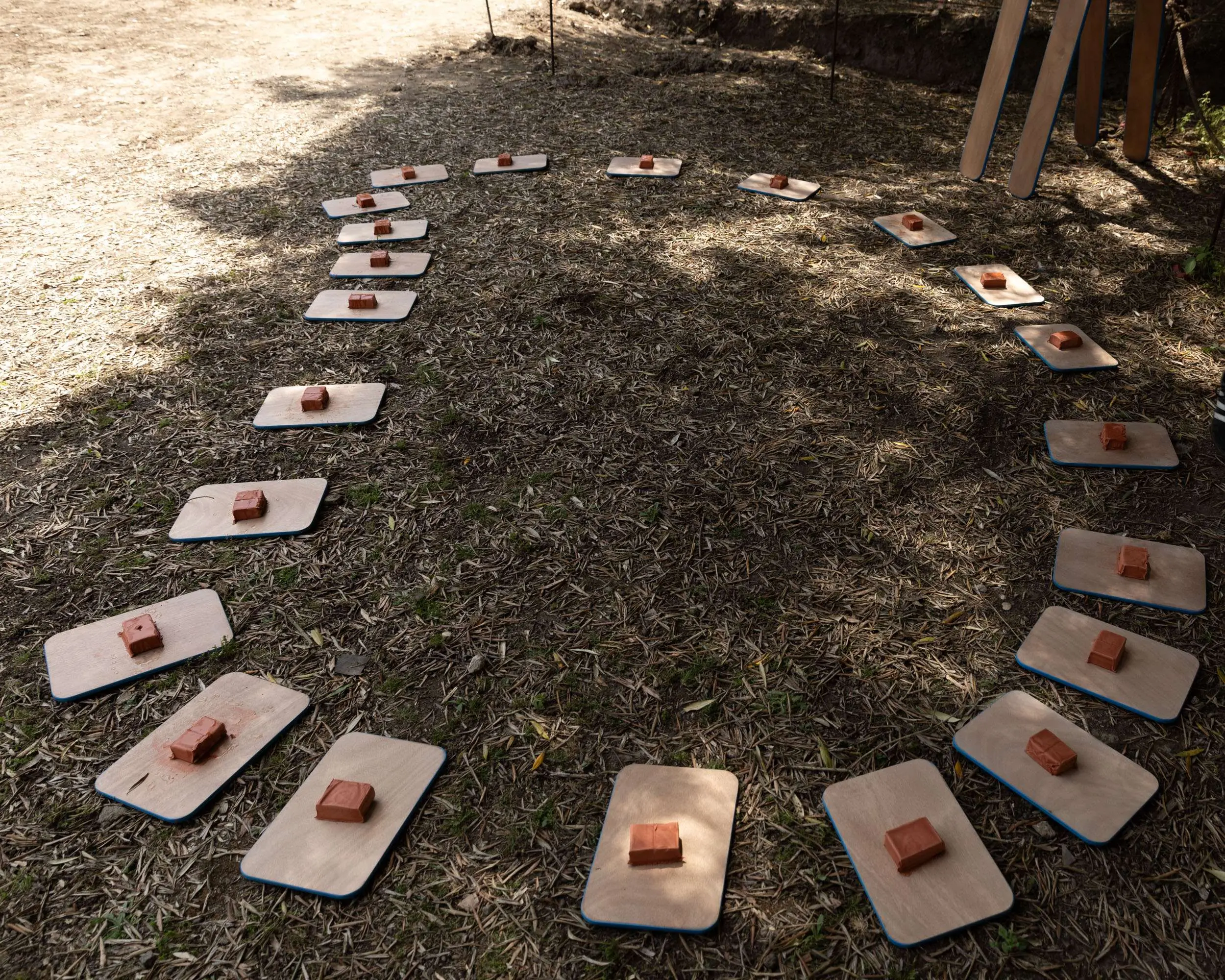
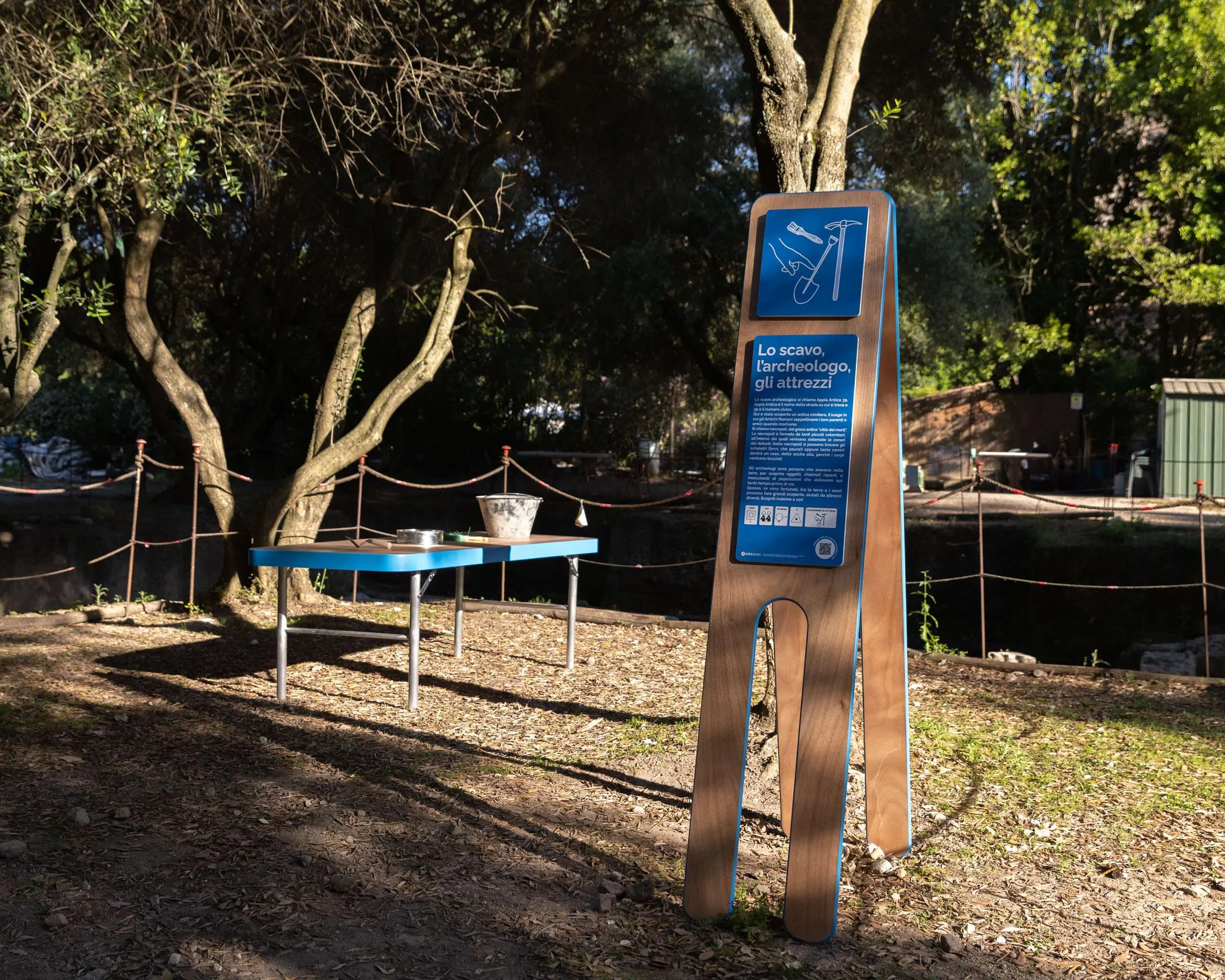
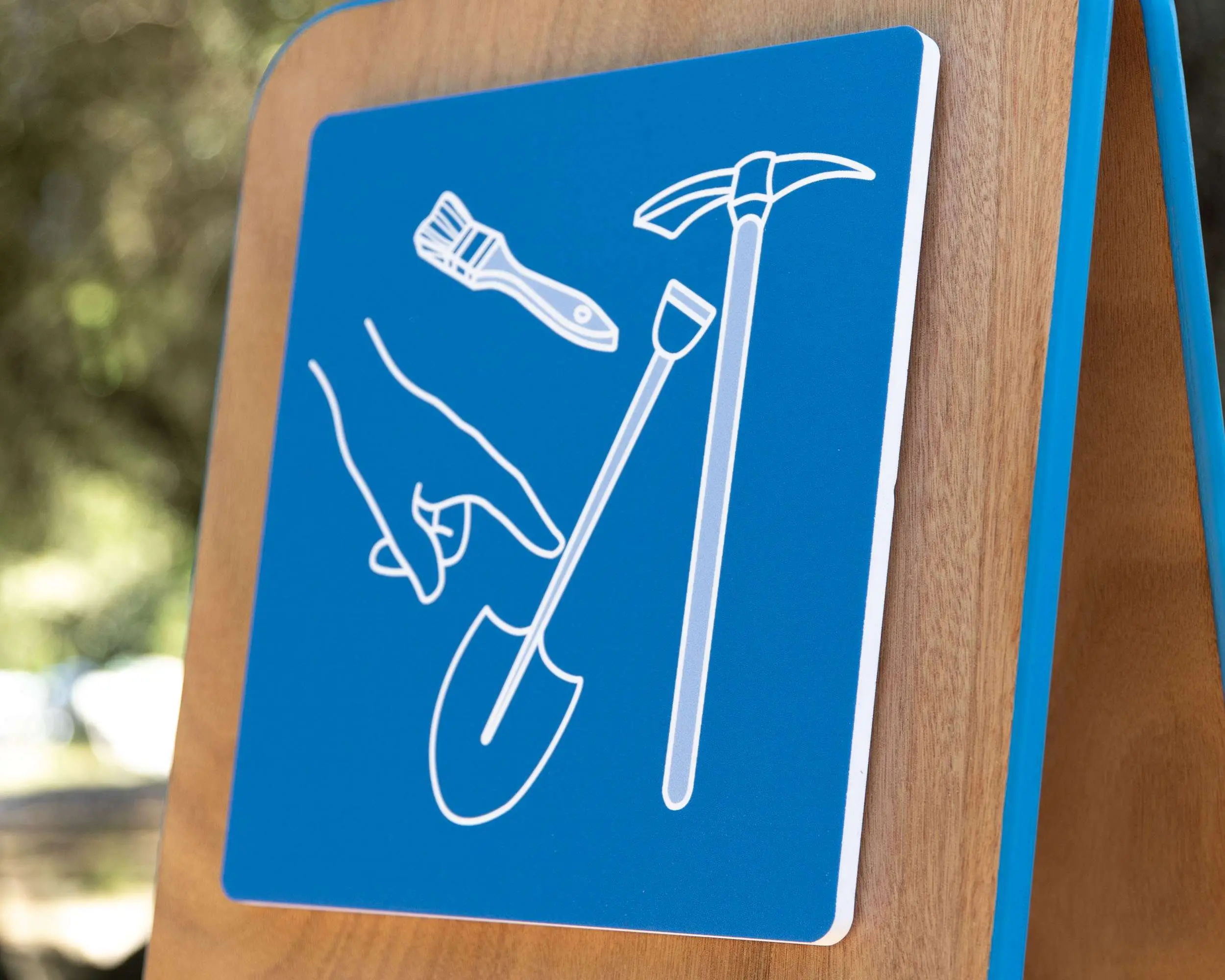
The visitor route at the Via Appia Antica 39 archaeological site is designed to be free from perceptual and cognitive barriers. Aimed at children aged 8–12, it takes the form of a series of stages that simulate the key activities carried out at an archaeological site, such as stratigraphic excavation, discovery, cleaning, cataloguing, and artefact study. The tour also introduces visitors to the tools used by archaeologists and explains the history of the ancient Roman cemetery on which the site stands.
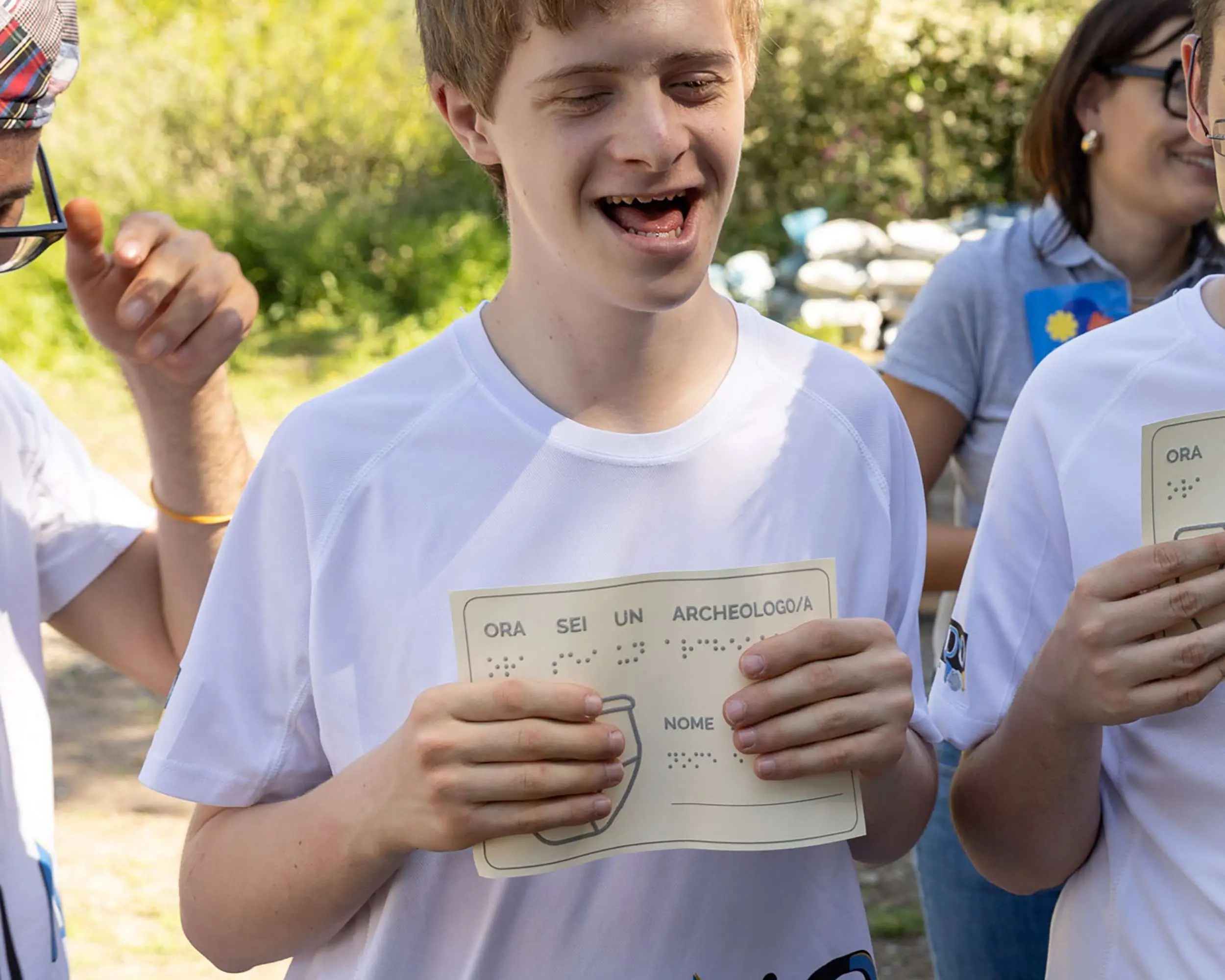
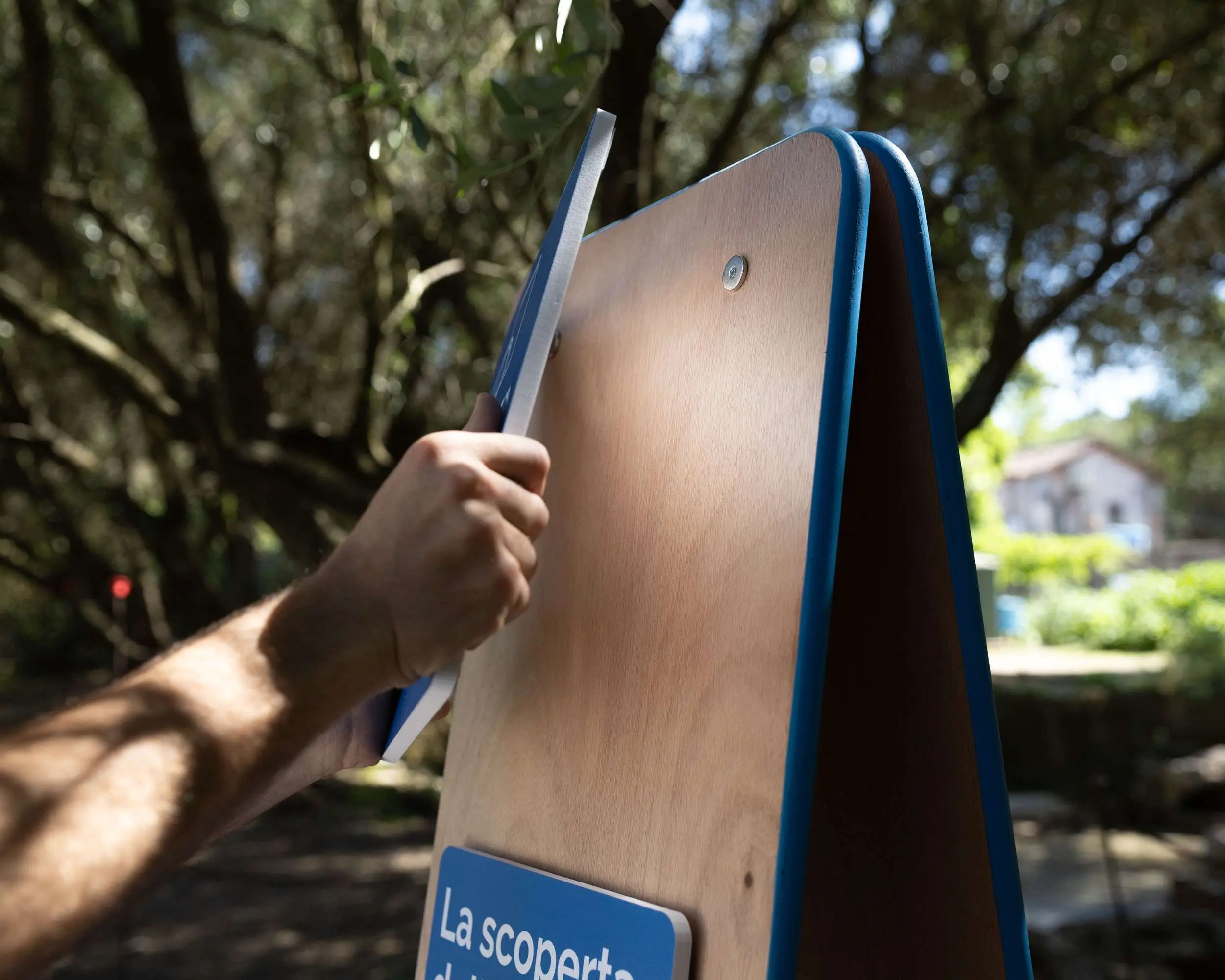
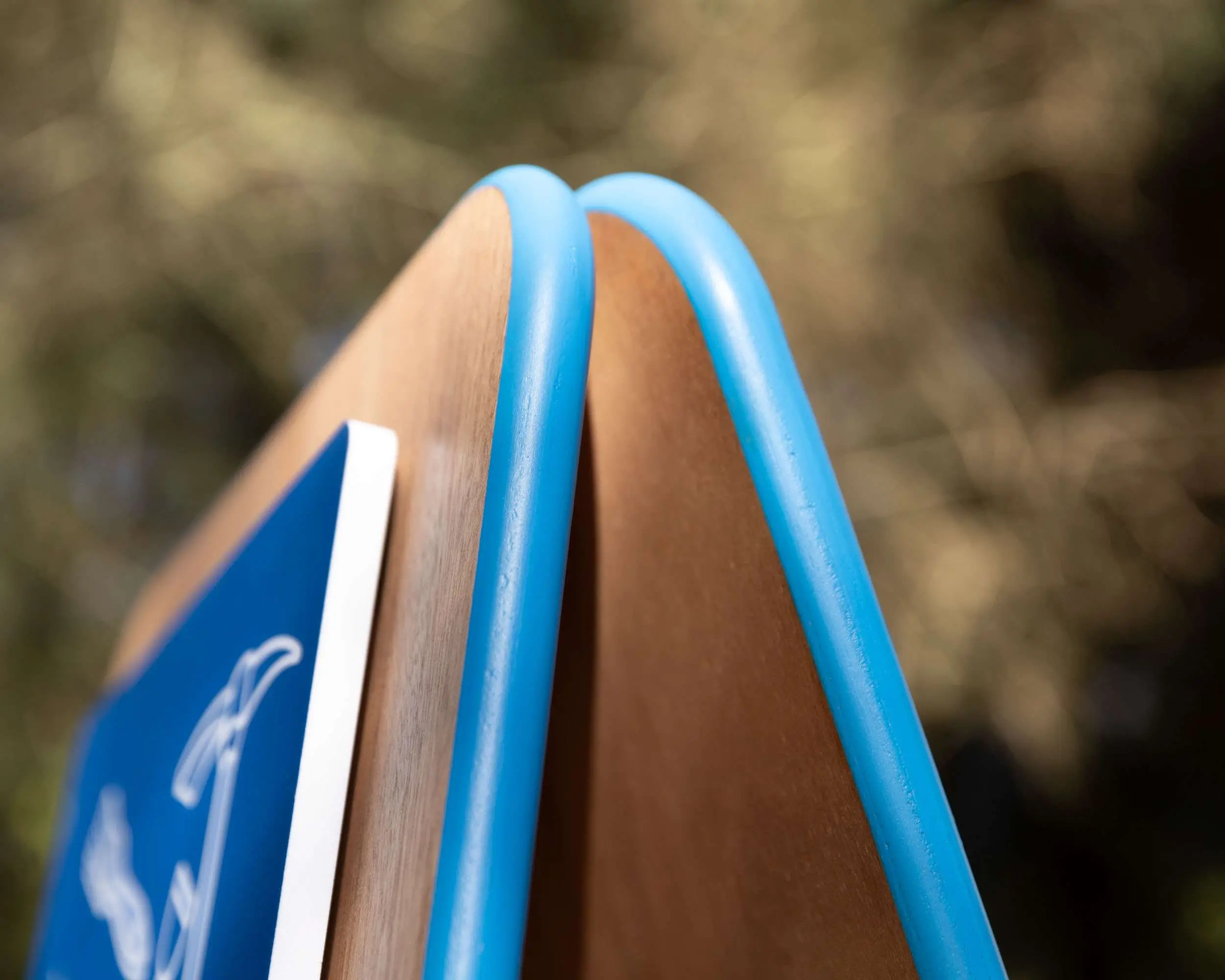
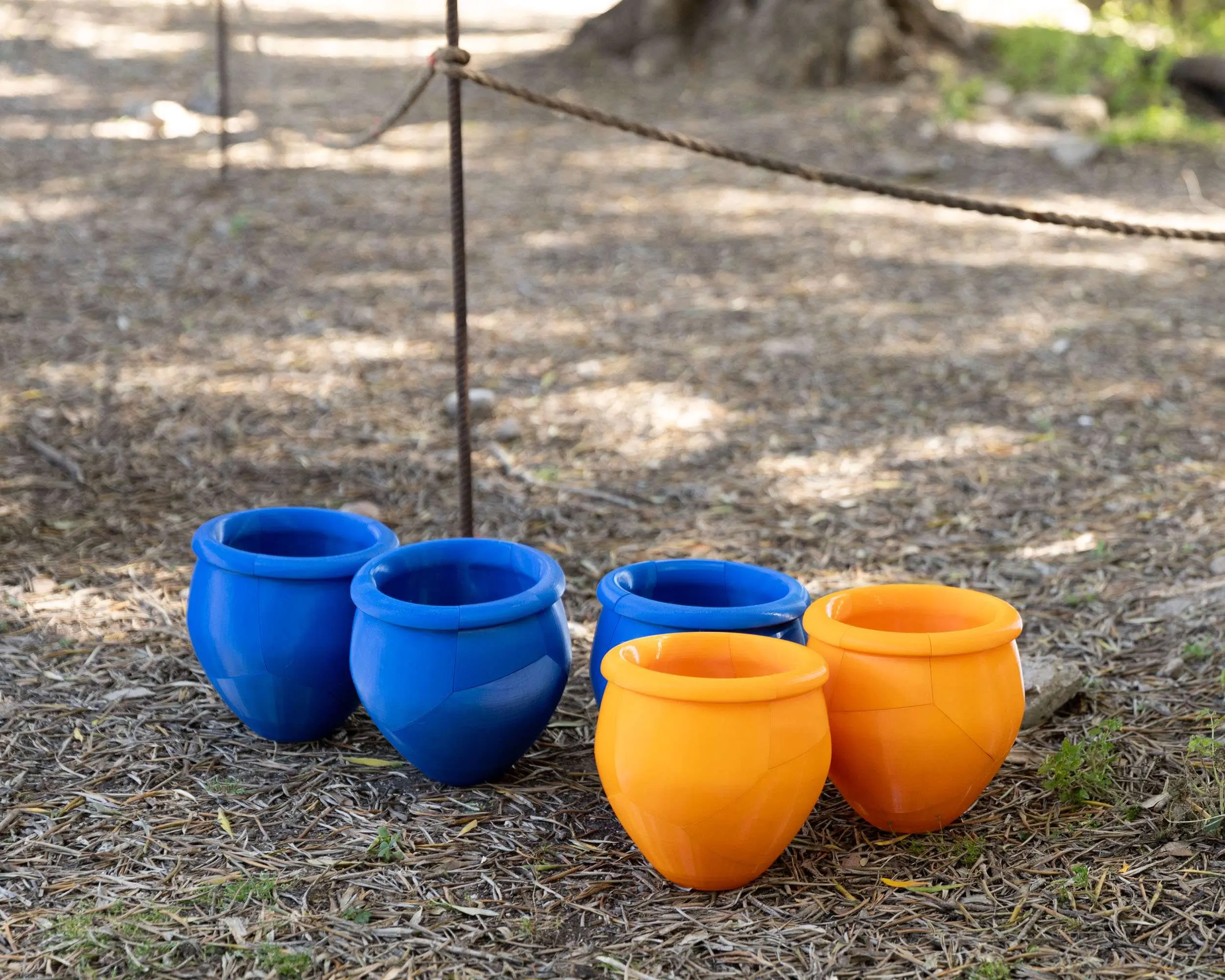
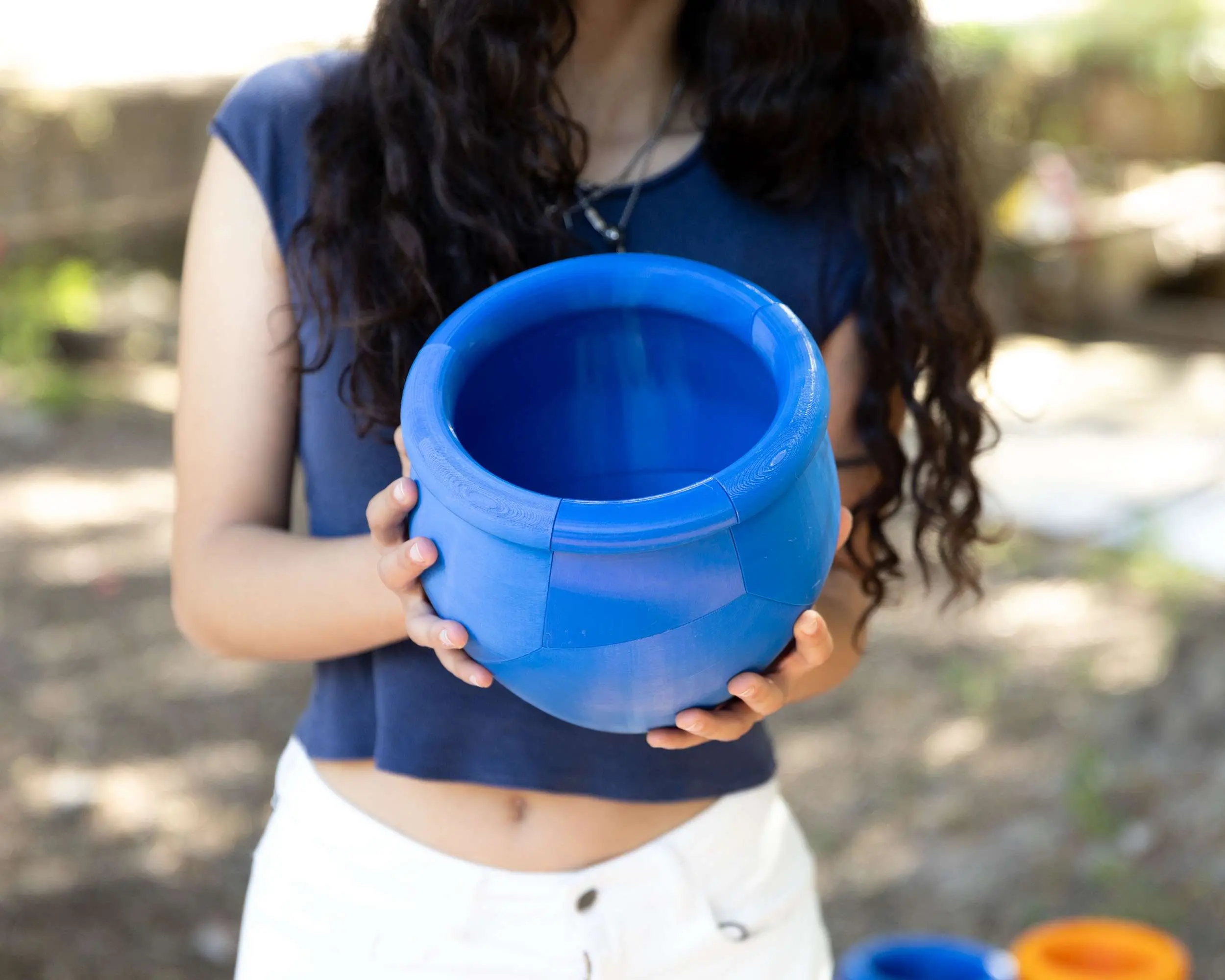
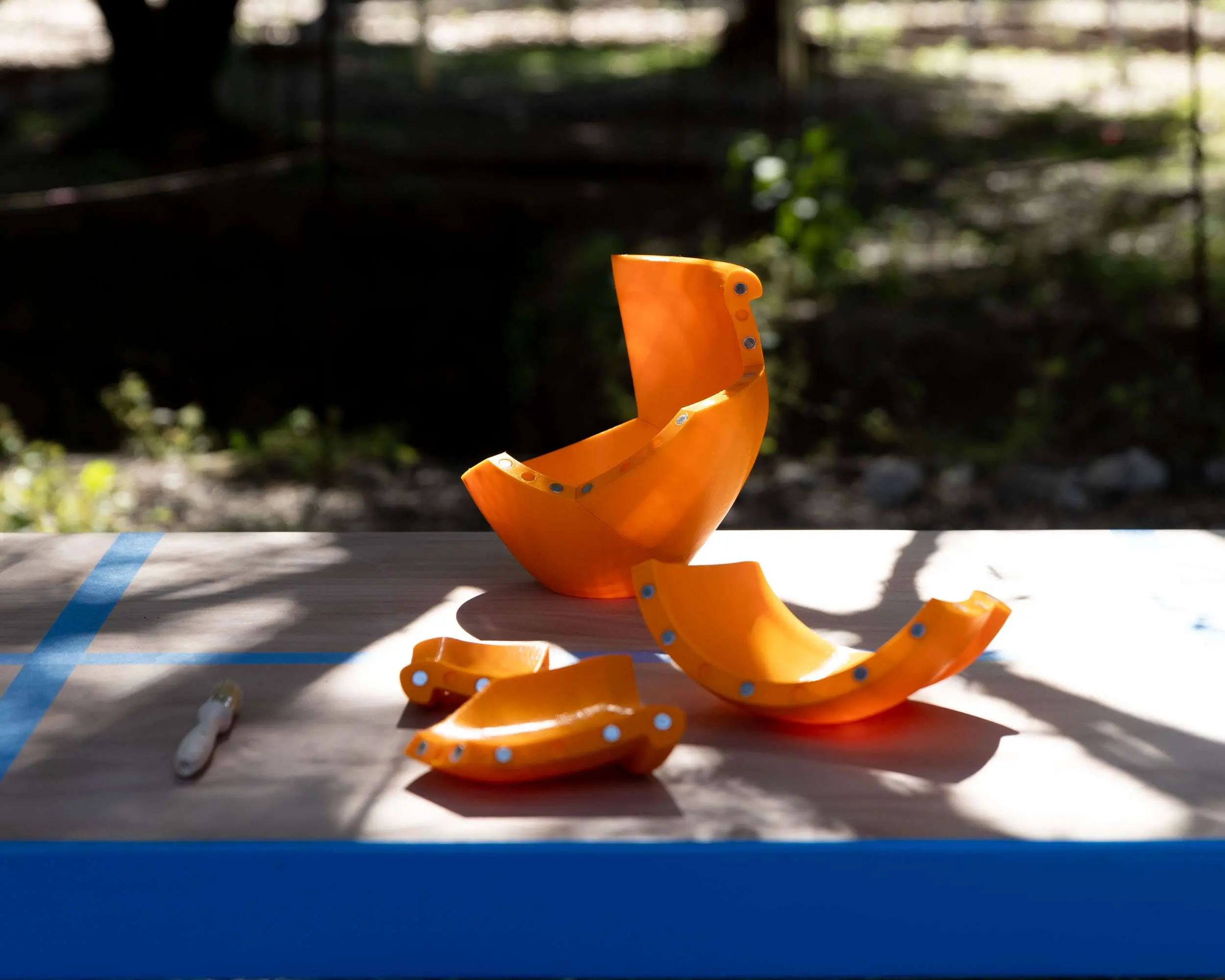
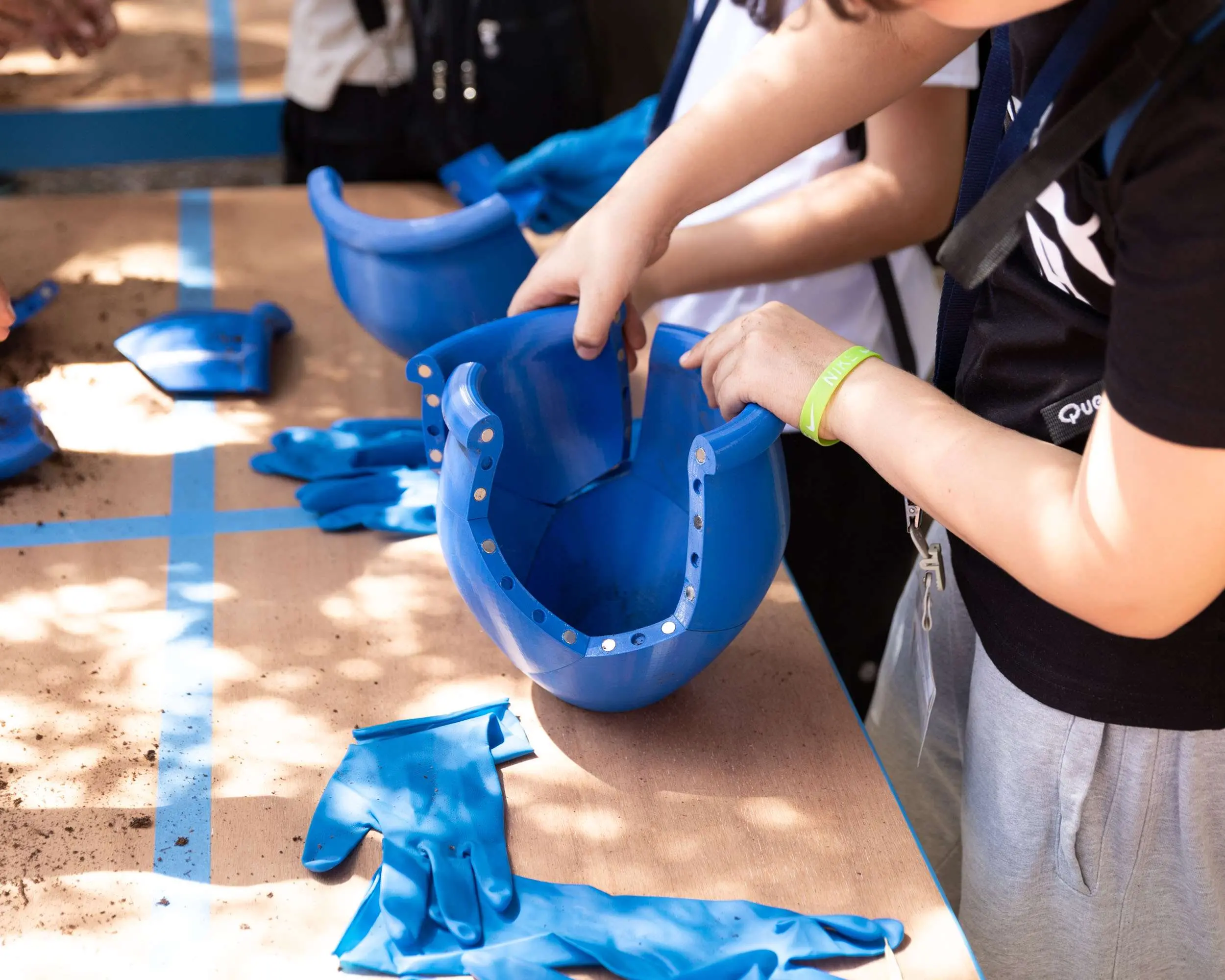
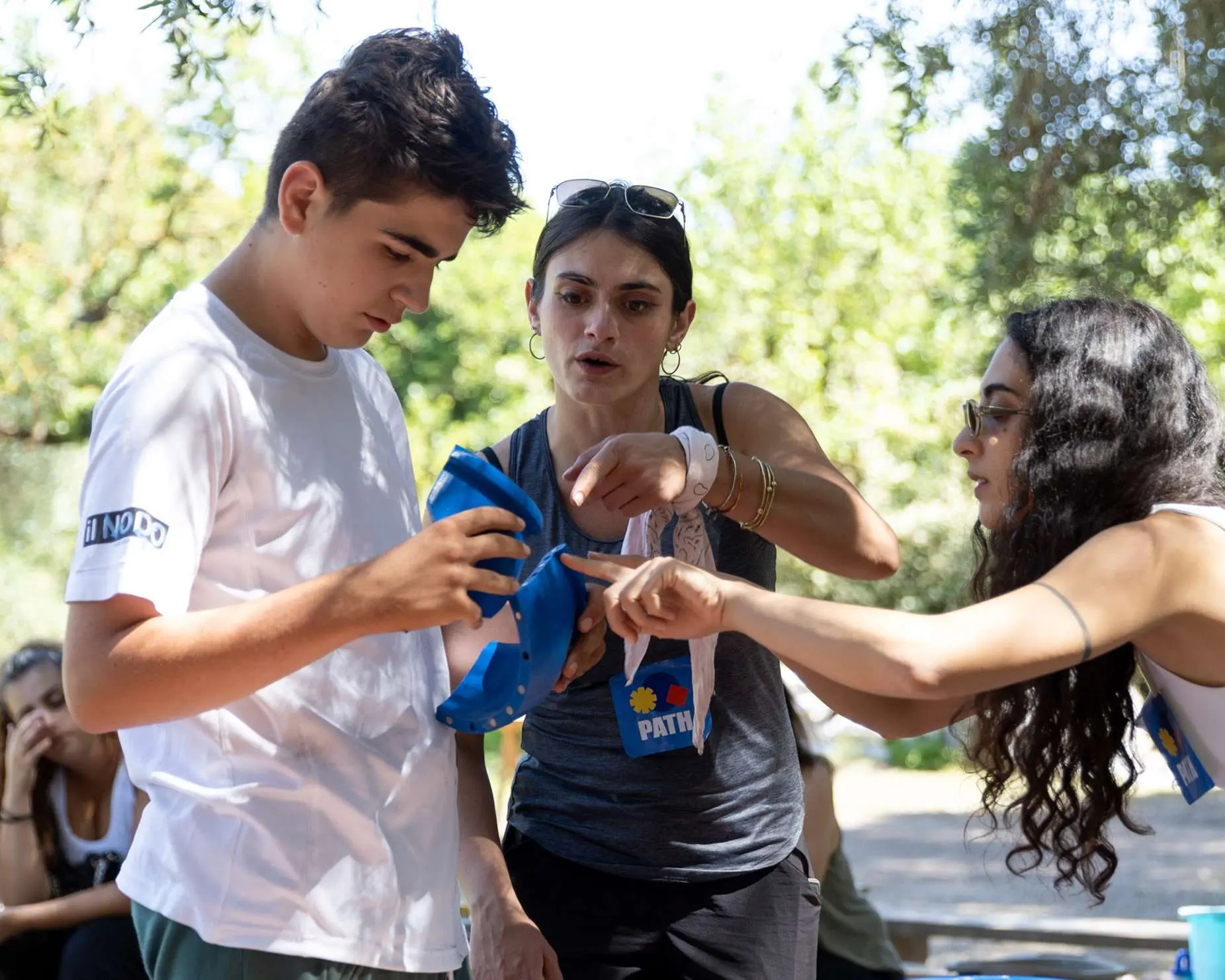
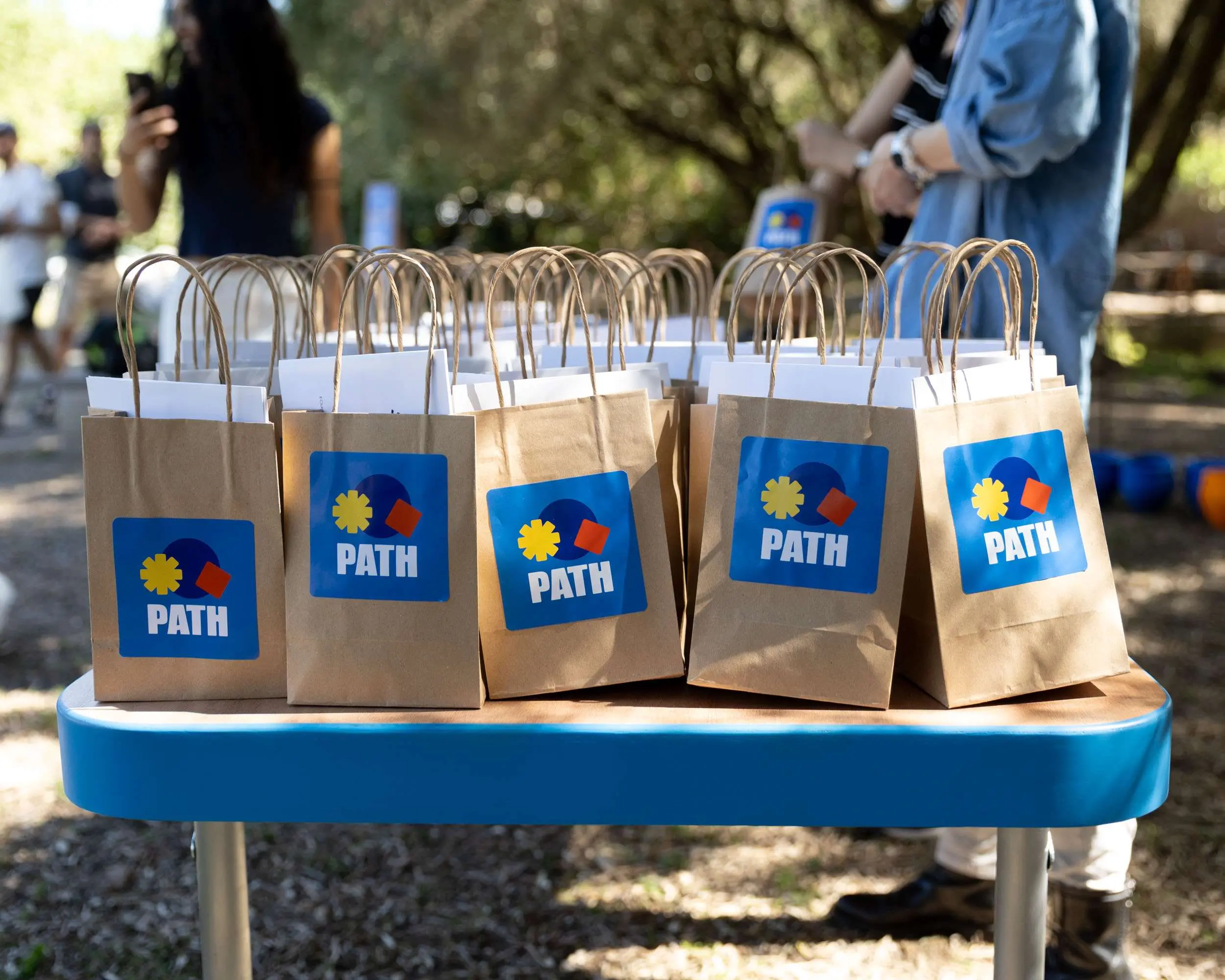
In this regard, the activities have been designed to be accessible to a wide audience. This includes the interactive elements, such as 3D-printed Roman vases that can be assembled using magnetic clips, as well as the exhibition supports, including totems, folding tables and interchangeable infographic panels (depending on the chosen activity). In collaboration with UCI Ferrara, certificates featuring tactile pictograms and text were produced on micro-capsule paper.
On 4 June 2025, two classes from Raffaello Comprehensive School in Rome, along with children from Il Nodo Association in Ferrara, were invited to the excavation site to test the project activities.
Project 1 was developed in collaboration with:
Rachele Dubbini and Chiara Maria Marchetti (Department of Humanities, University of Ferrara).
Thanks for their collaboration to:
Il Nodo Aps Association – Ferrara, the Unione Italiana Ciechi ed Ipovedenti – Ferrara, Dr Simone Zorzi – Udine Integrated University Health Authority, and the University of Udine.
Project 2: A visit to the museum with the ‘painter’s kit’
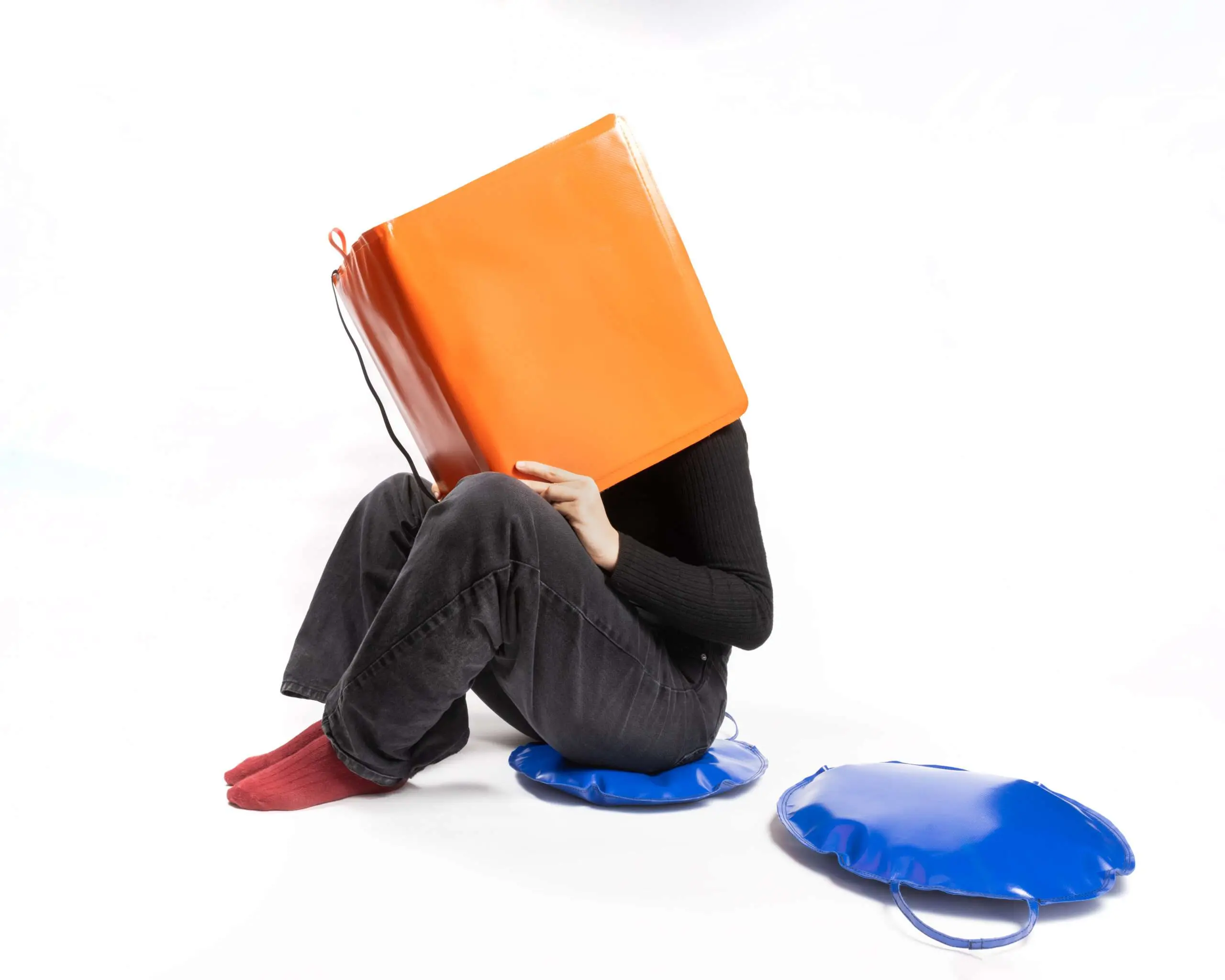
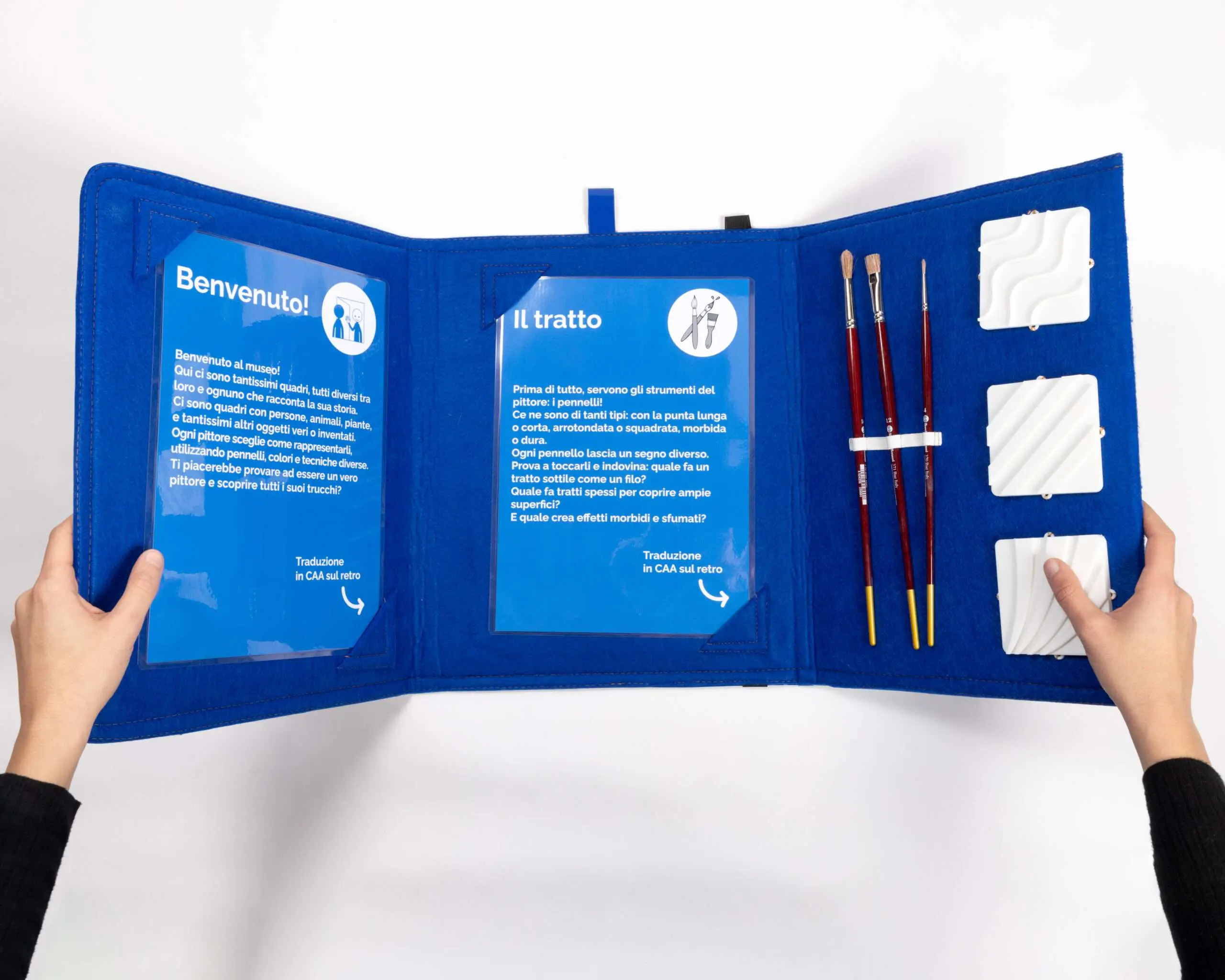
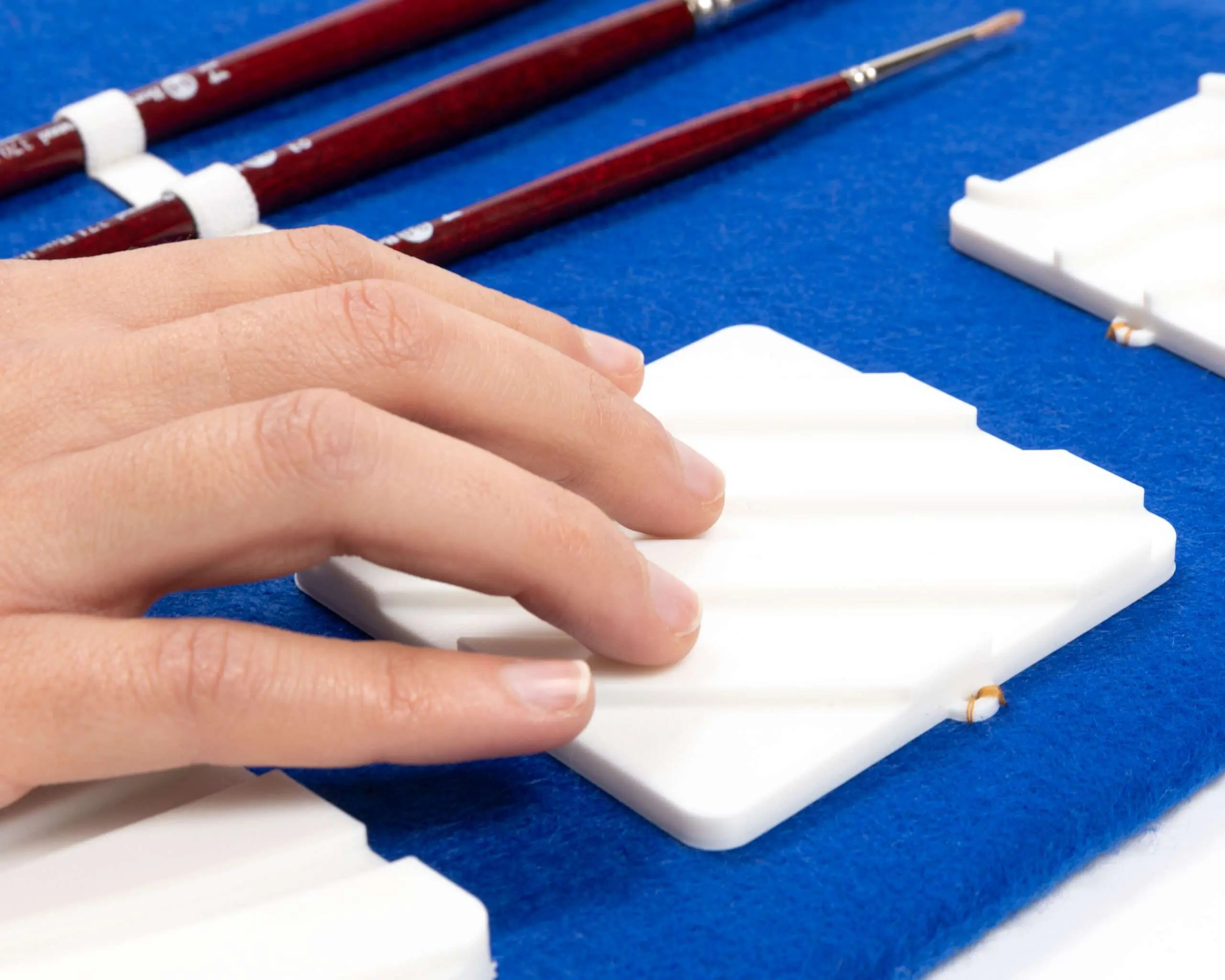
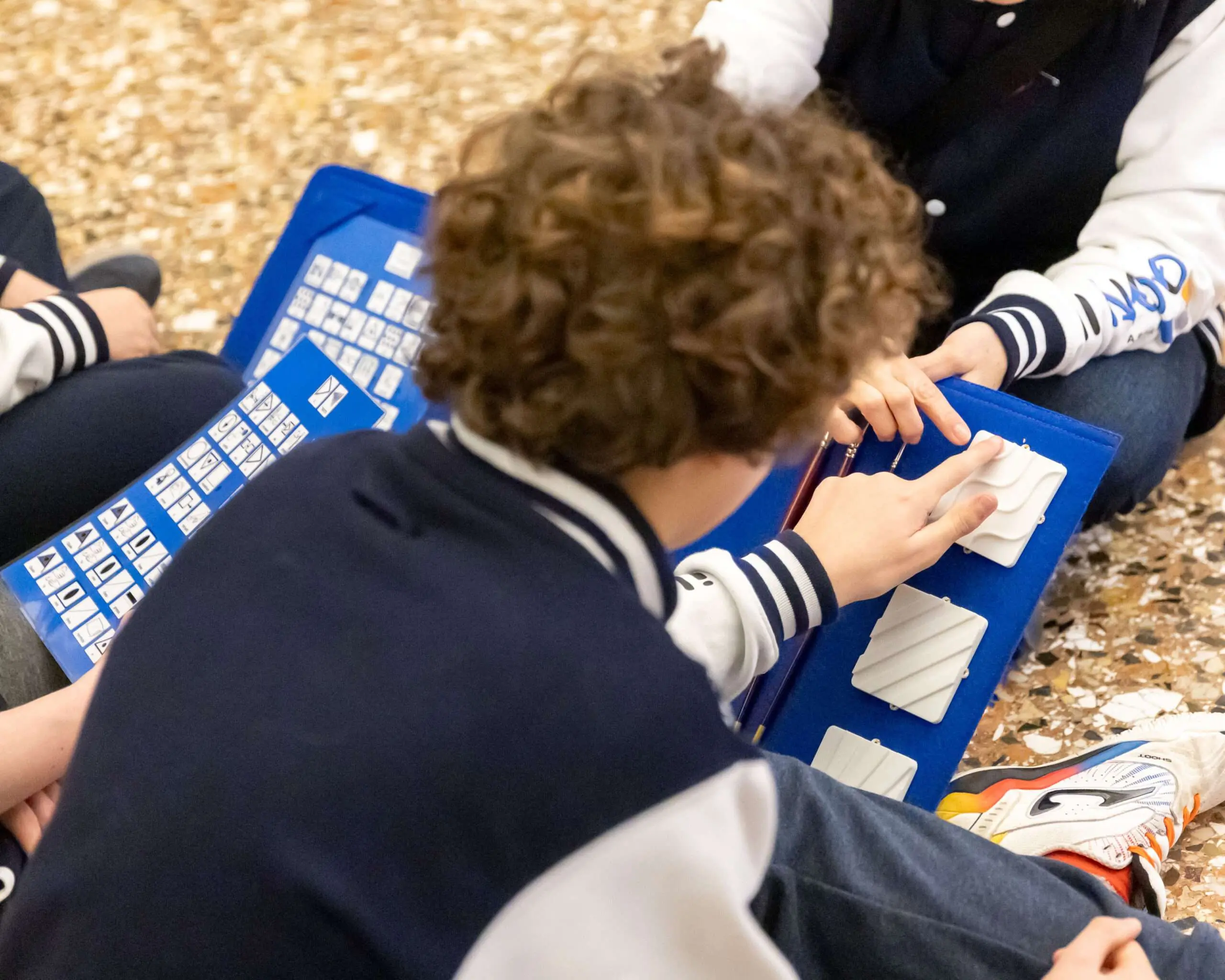
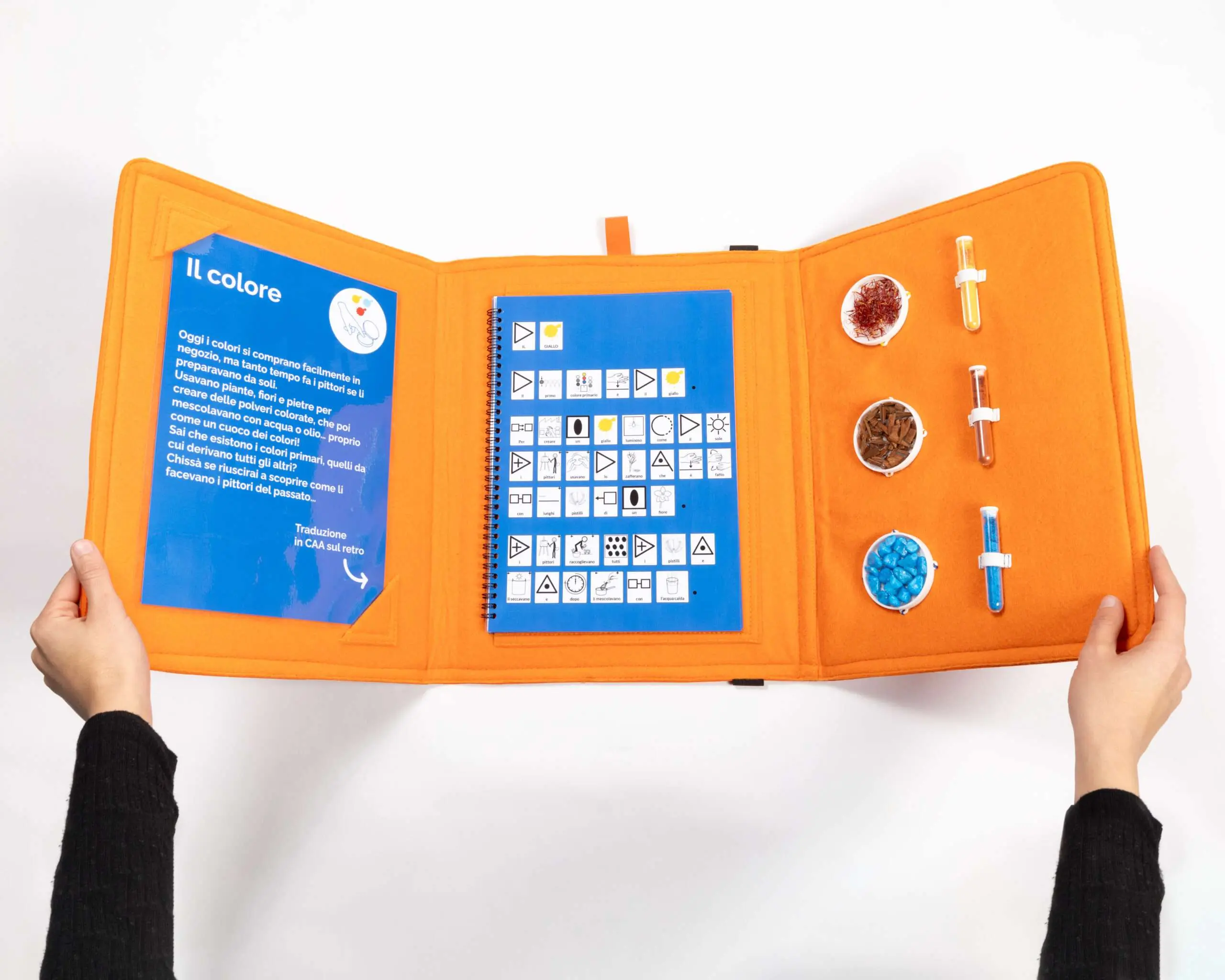
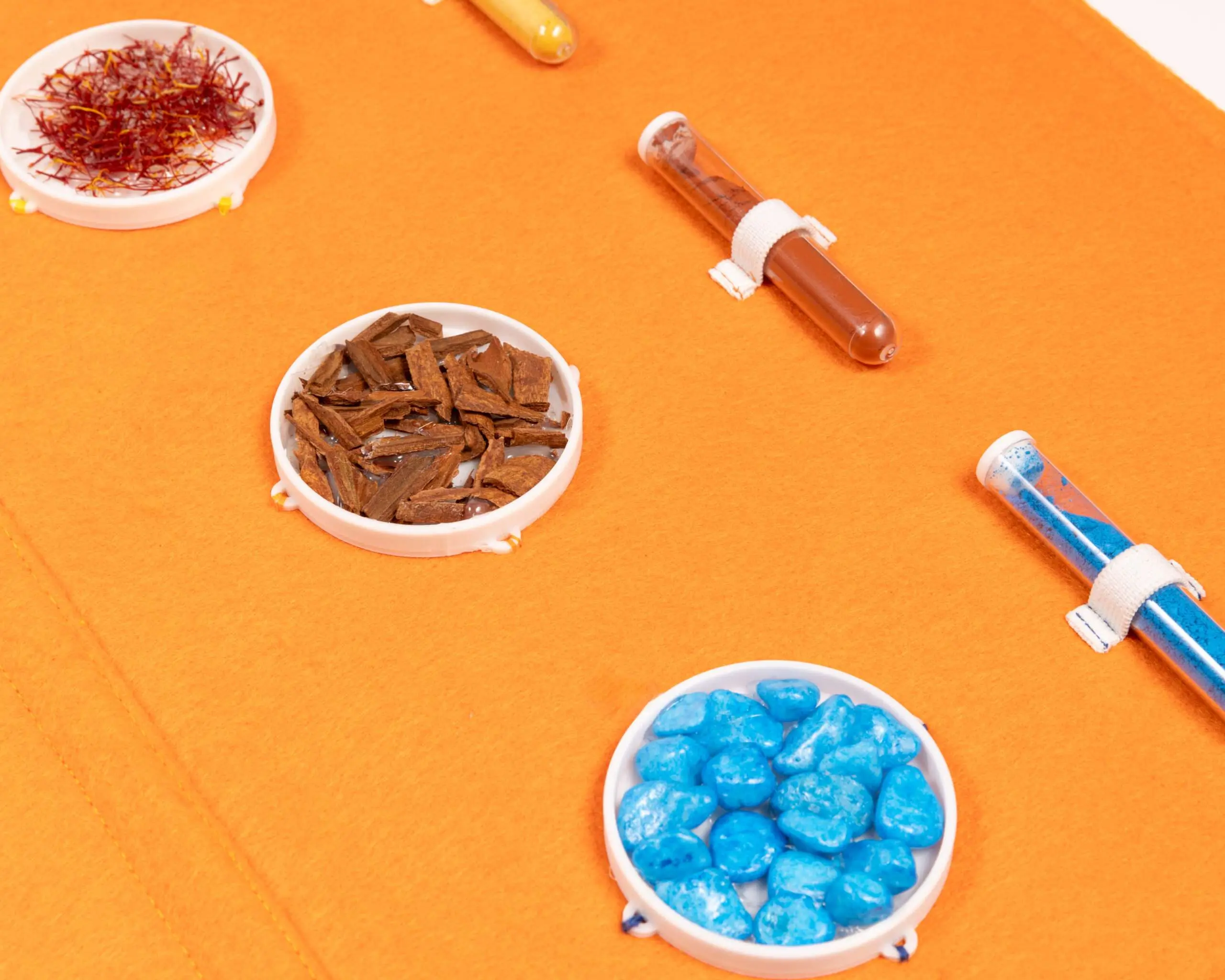
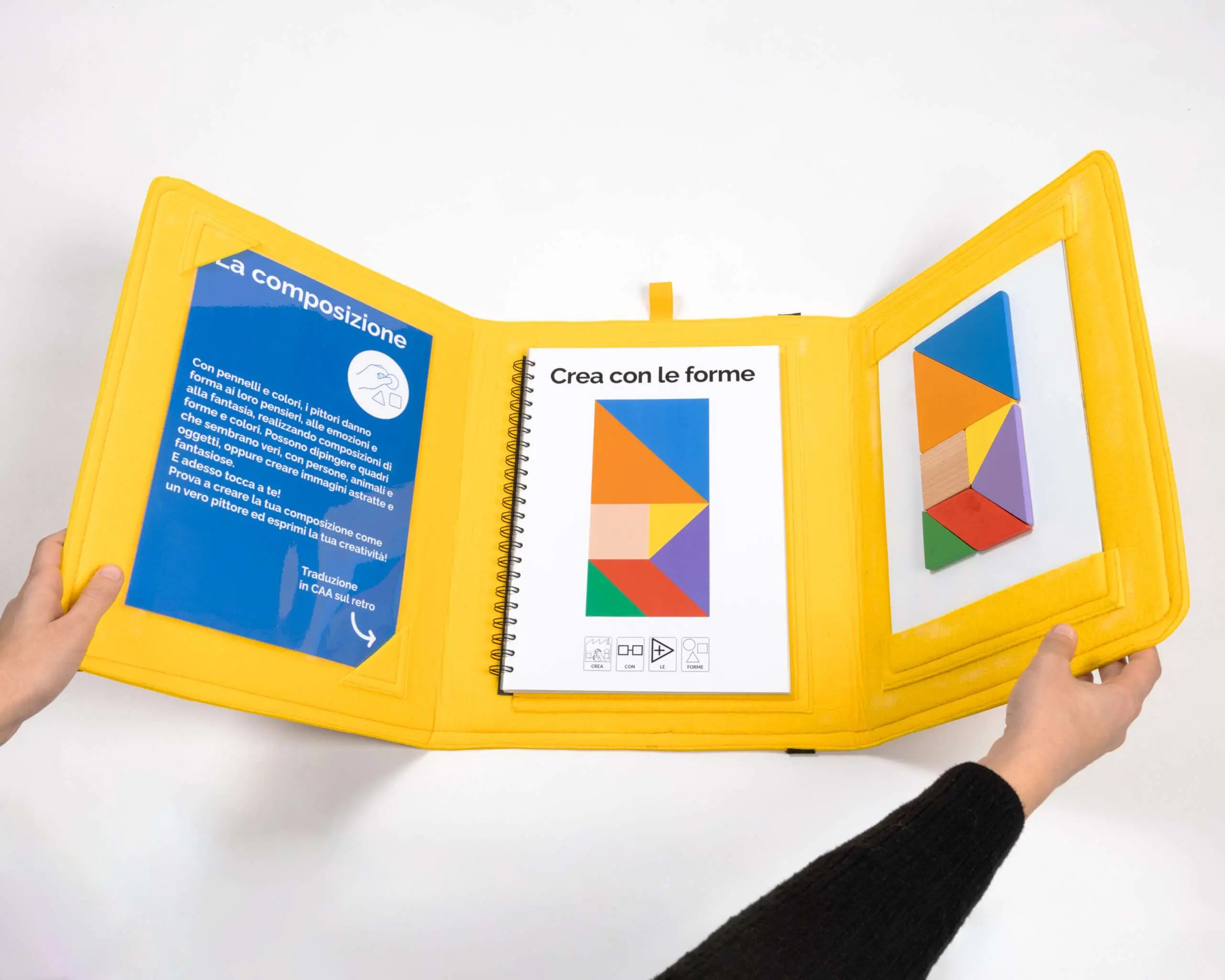
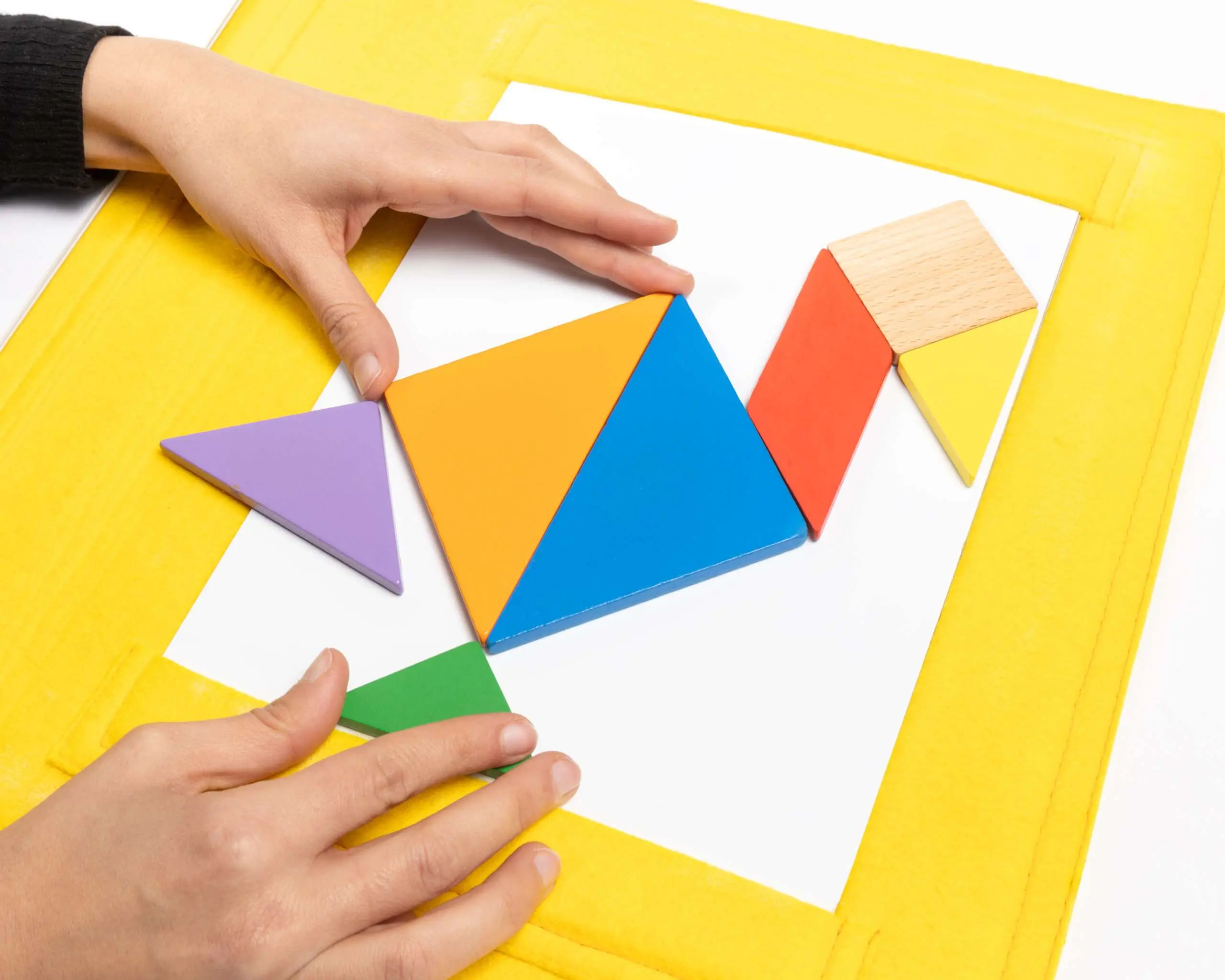
A portable kit has been designed to enhance the museum experience: the ‘Painter’s Kit’. The kit contains fun and educational activities designed to make the visit an accessible, engaging and stimulating experience for families and children.
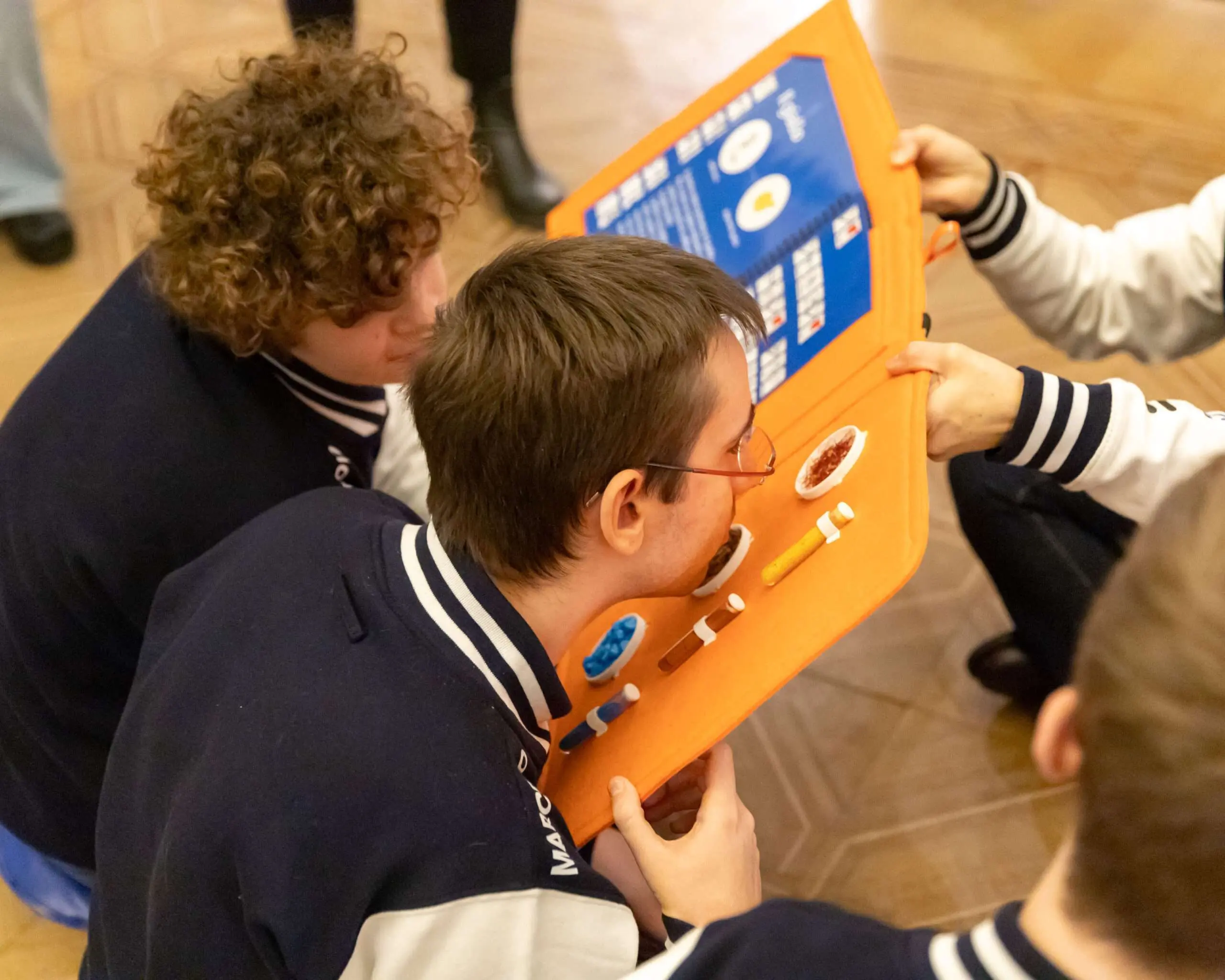
The activities, to be carried out whilst viewing the exhibition, are designed to encourage visitors to observe the artworks. Through play, exploration and active participation, the ‘Painter’s Kit’ enriches the museum experience, making it more dynamic and inclusive, whilst raising visitors’ awareness of the painter’s craft (line, colour and composition).
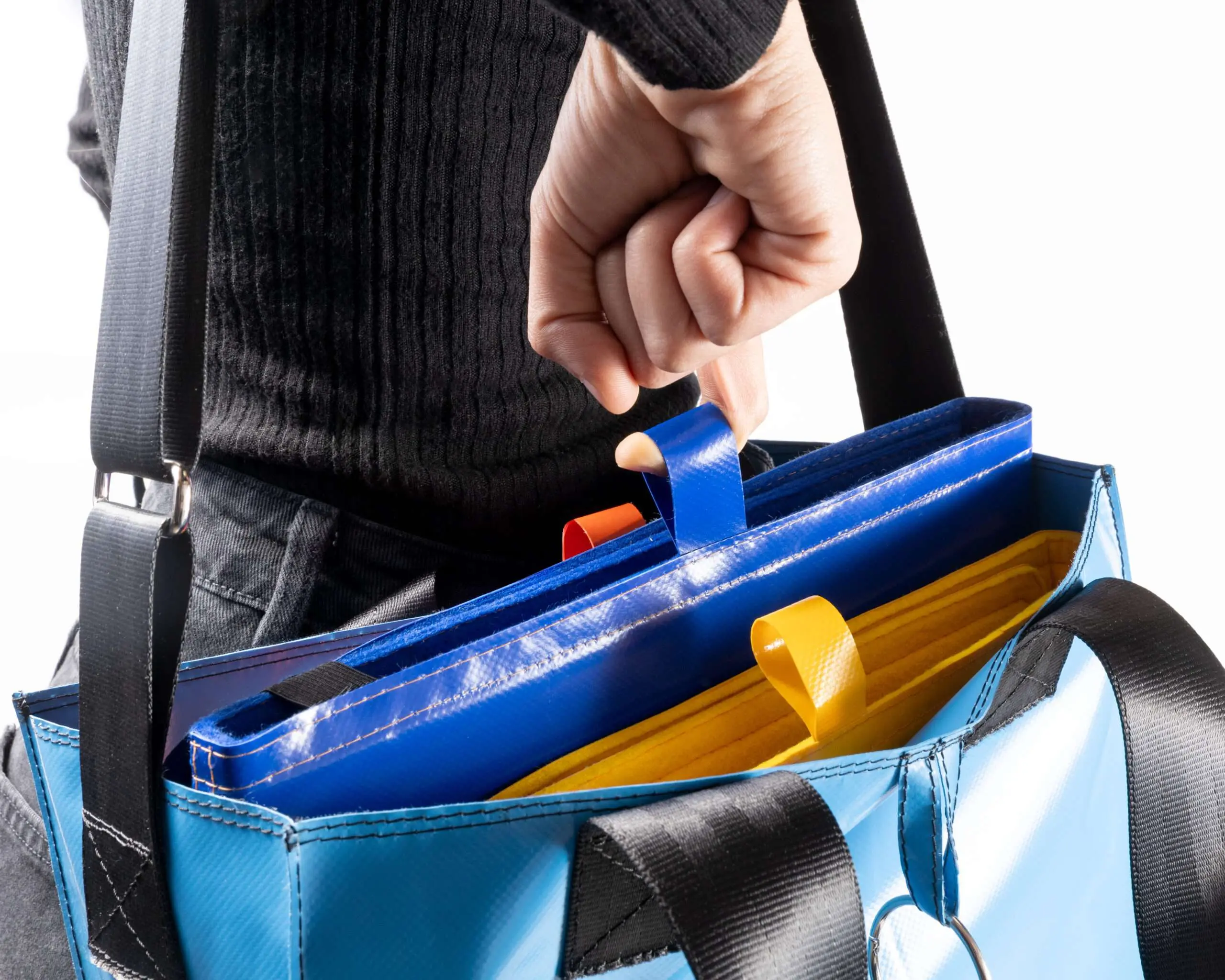
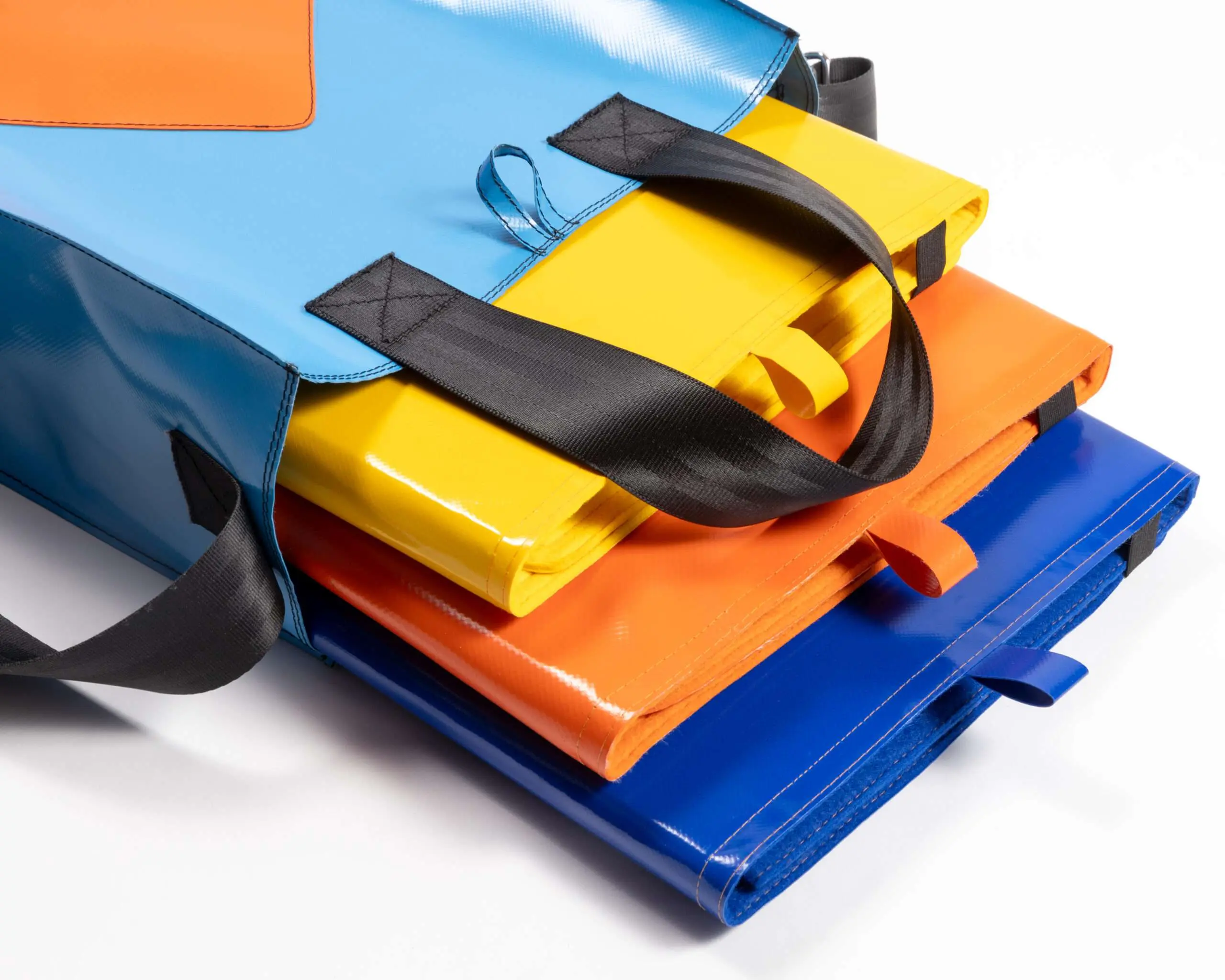
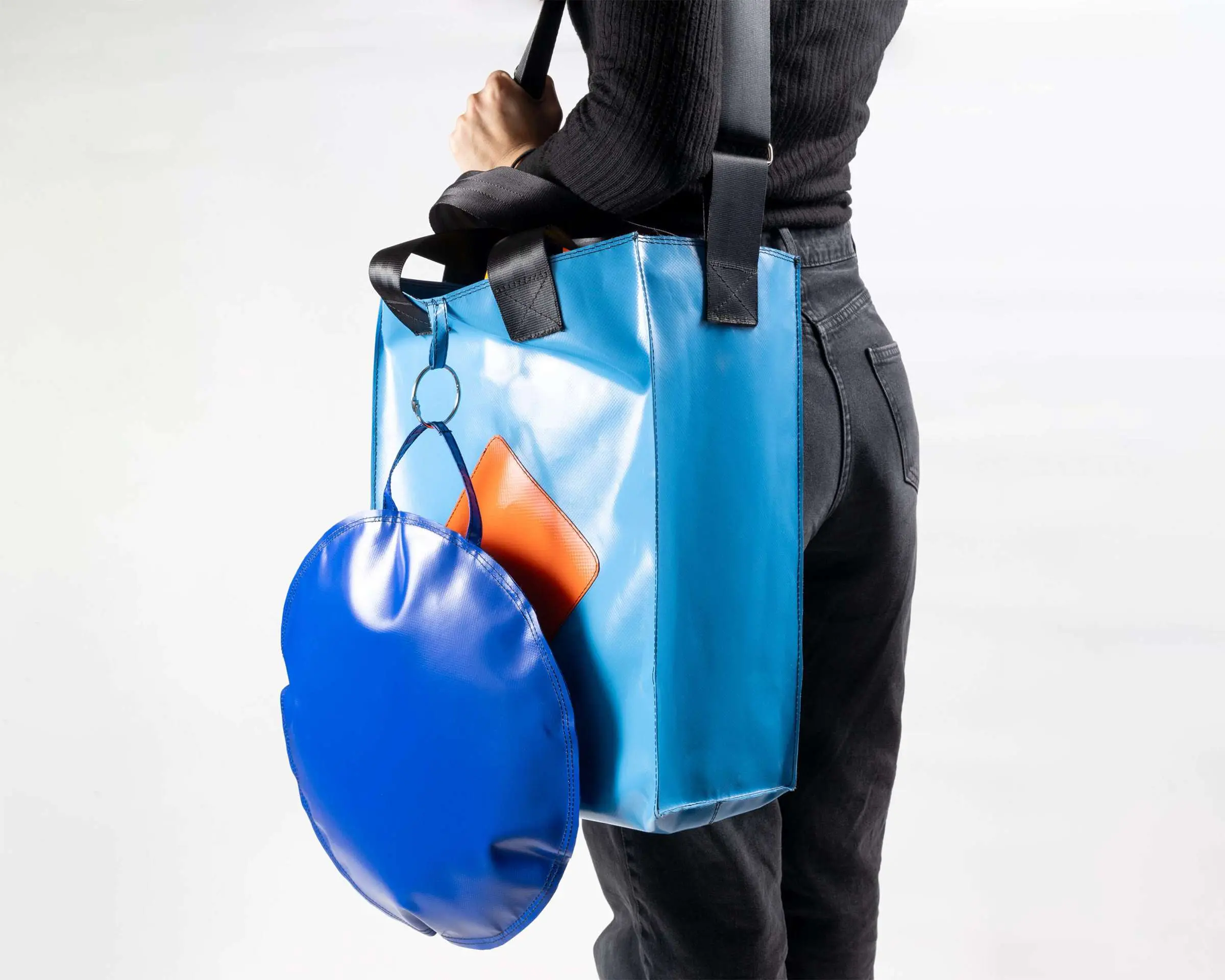
The prototype bag was made from coloured scraps of PVC lorry tarpaulin. Seatbelts were used for the handles and shoulder strap. The hand-sewn folders are felt-lined on the inside. The kit also includes a cushion to allow flexible and informal use of the space, providing sufficient comfort and support when carrying out activities.
The ‘Painter’s Kit’ was trialled on 6 February 2026 as part of the exhibition ‘Gianfranco Goberti: The Magic of Painting’ at the Castello Estense in Ferrara, together with the young people from the Il Nodo Association in Ferrara.
Thanks to:
Il Nodo Aps Association – Ferrara, Dr Ethel Guidi – Head of the Art Museums Service of the Municipality of Ferrara, Dr Chiara Vorrasi – Museum curator and head of the Modern Art Unit in Ferrara.
Project 3: A walk through Ferrara’s historic centre
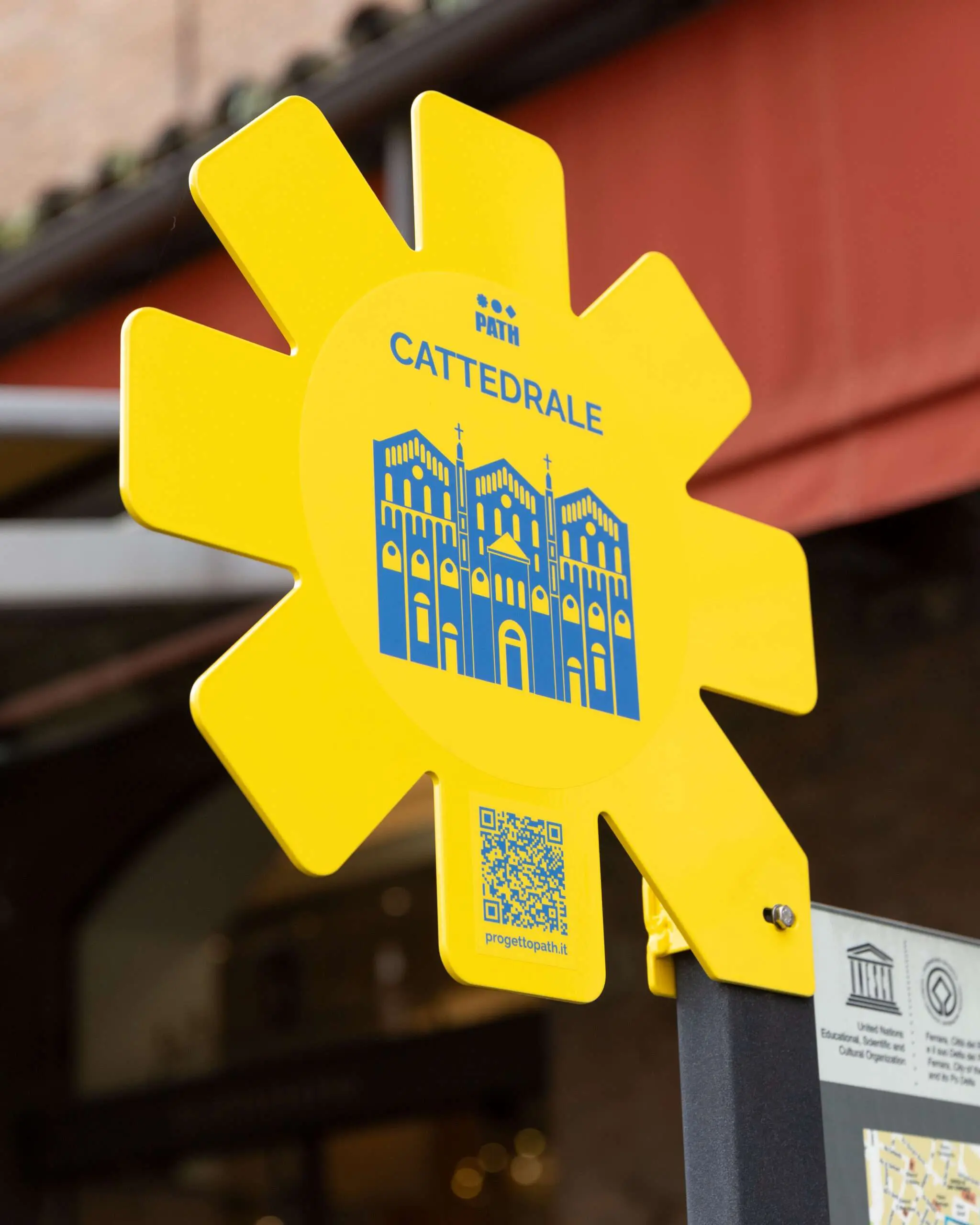
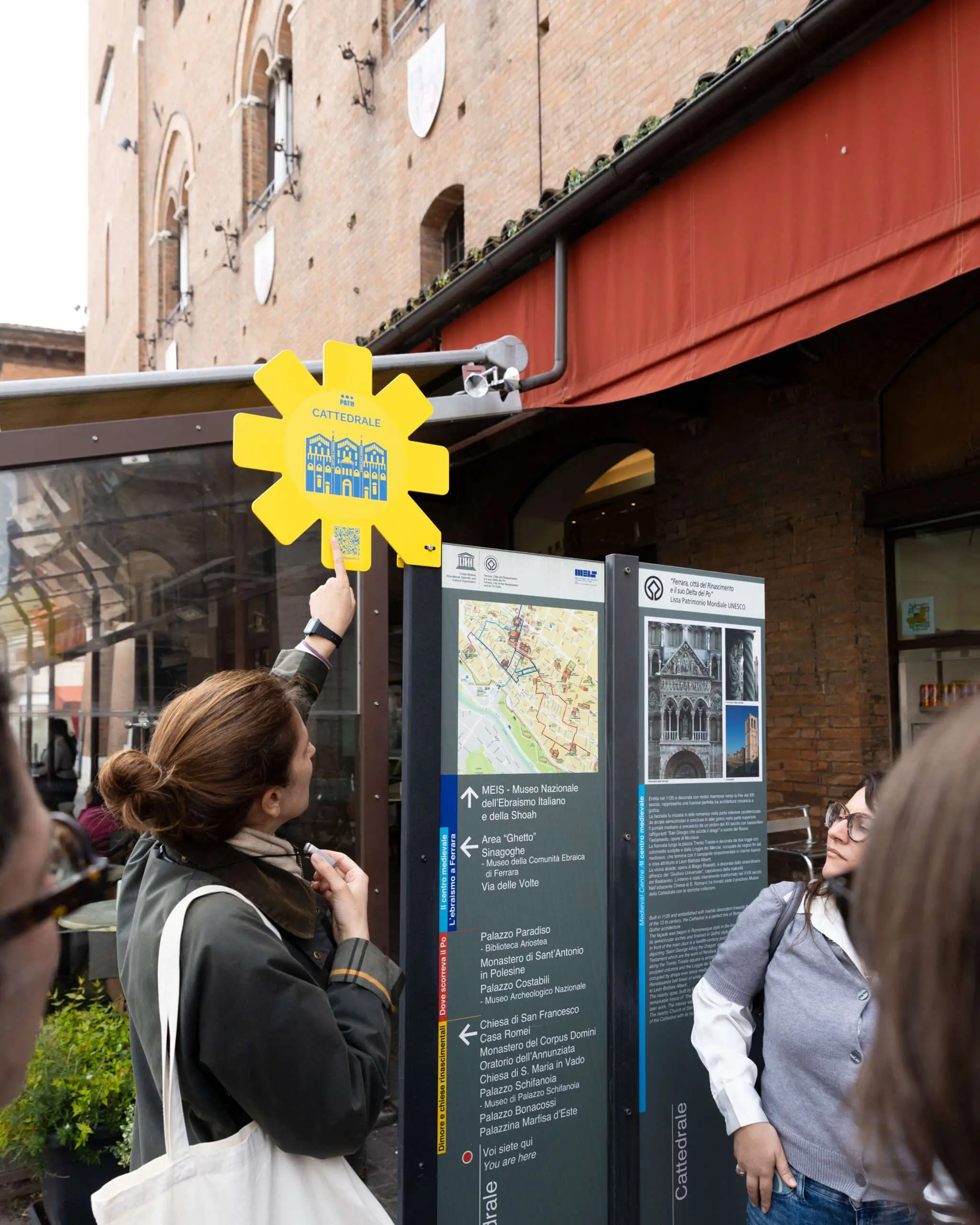
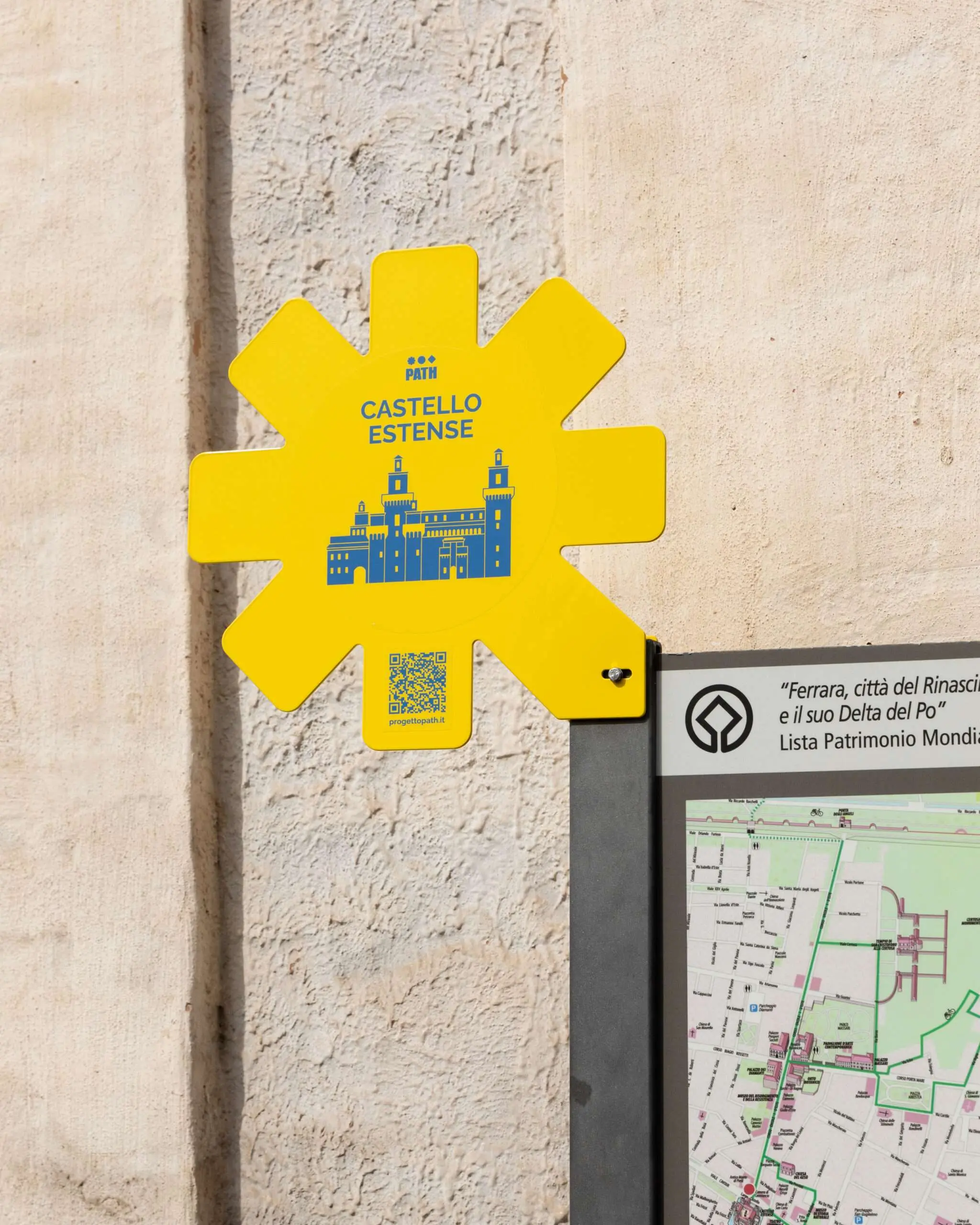
The route through Ferrara’s historic centre runs from the cathedral to the playground in Parco Massari. Designed specifically for children, the route winds through the heart of the city and highlights the main monuments along the way. A guide provides clear descriptions that are accessible to everyone.
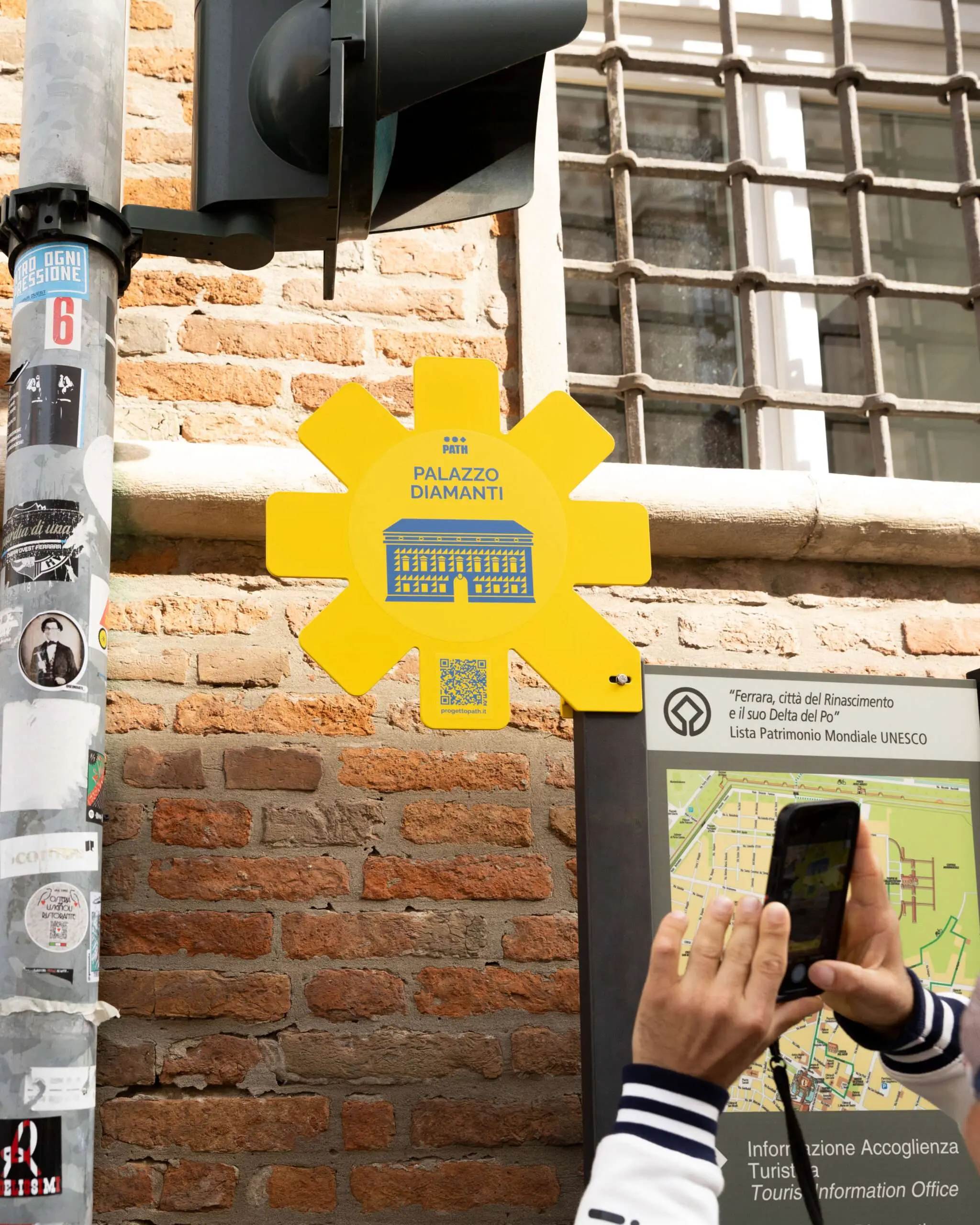
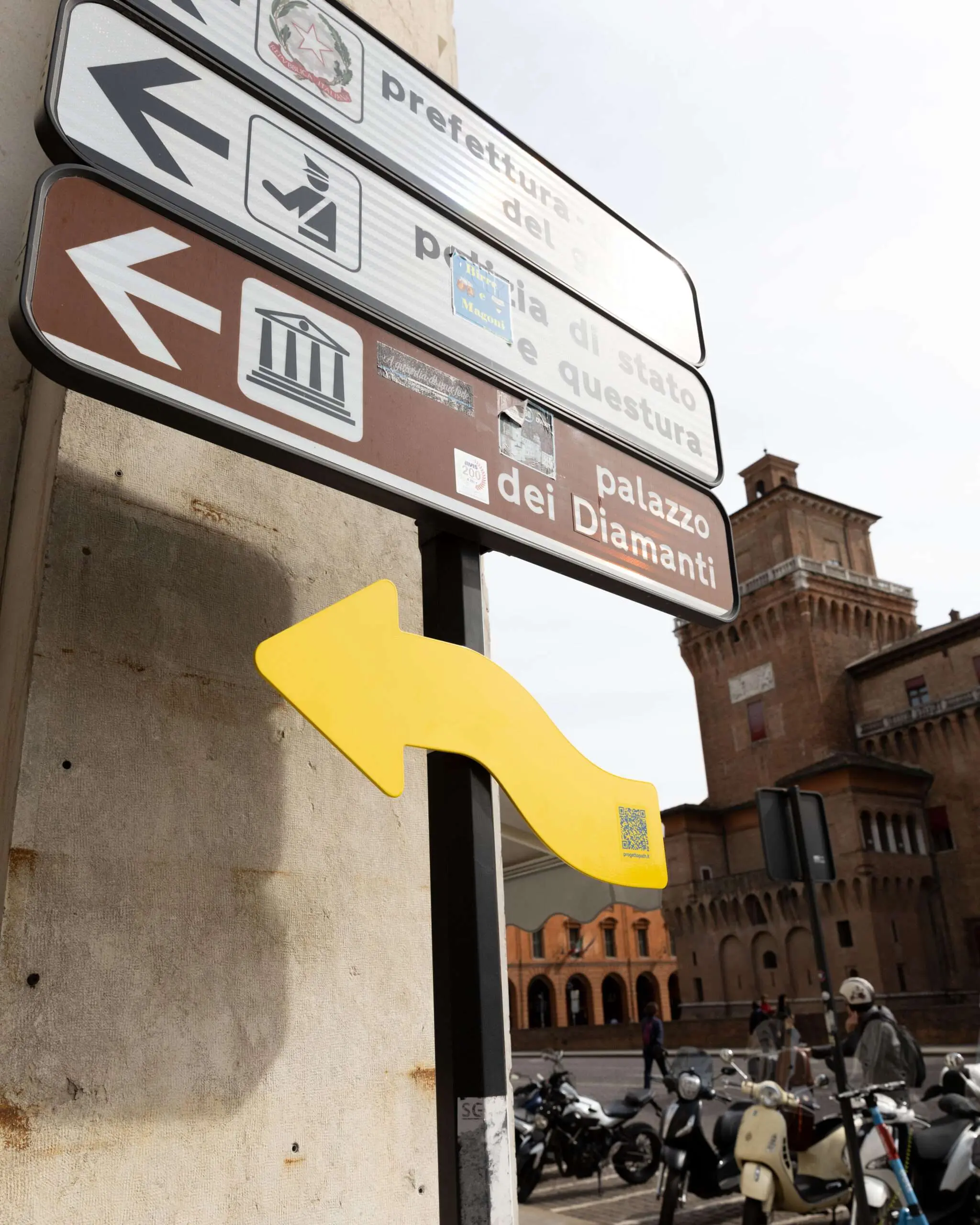
A signage system with a consistent design has been devised for the route, comprising panels featuring pictograms identifying the individual stages and signposts positioned at regular intervals. These elements indicate turns and ensure visual continuity, which aids navigation, making the route immediately recognisable within the city.
The signage system has been designed to attach to existing information panels, thereby seamlessly integrating the information already displayed around the city.
Thank for the translation to: Il Nodo Aps Association - Ferrara
Project 4: Walk through Massari Park
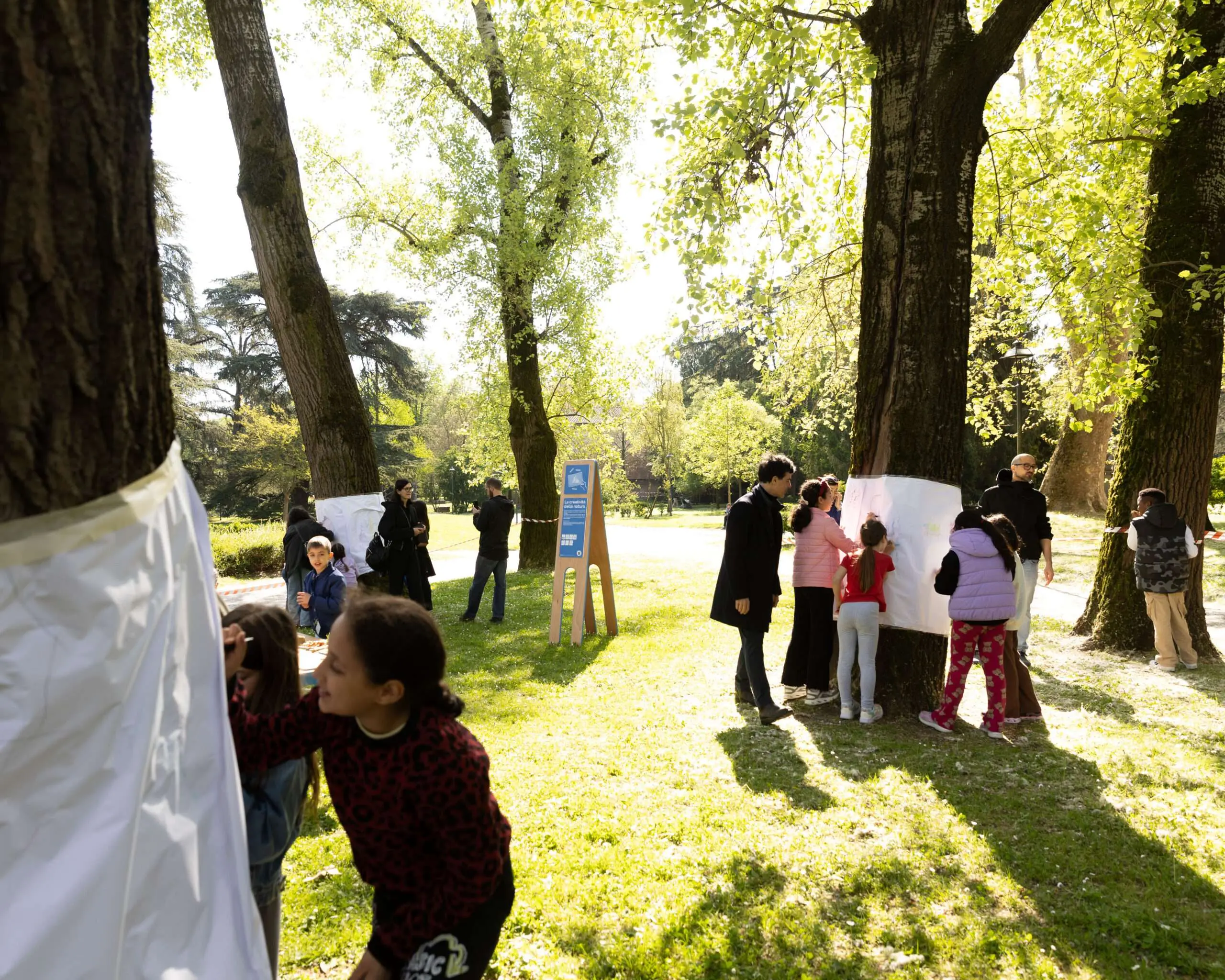
Taking the form of a guided exploration, it introduces children to the role of the gardener and their work, encouraging direct observation, curiosity, and learning through experience.
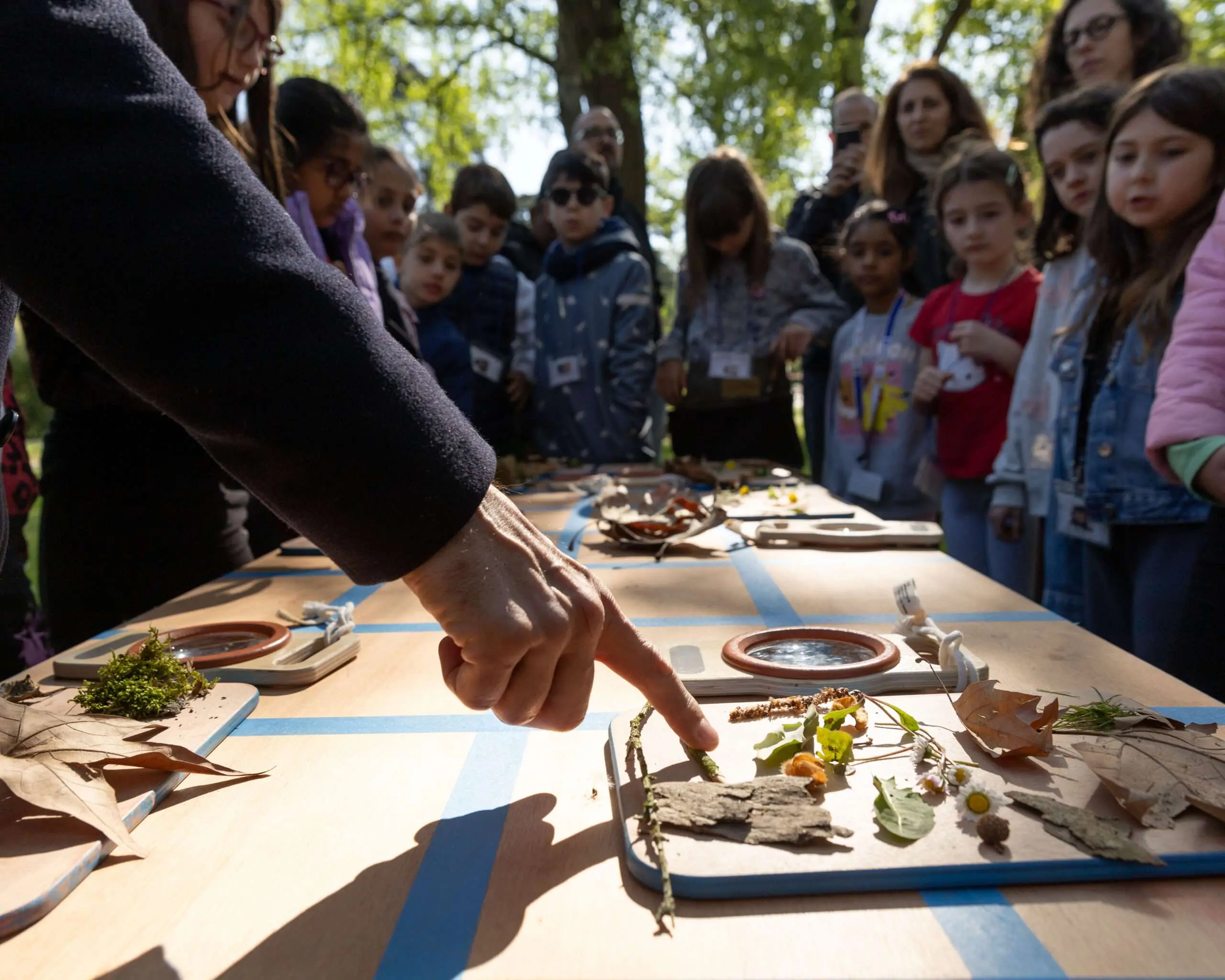
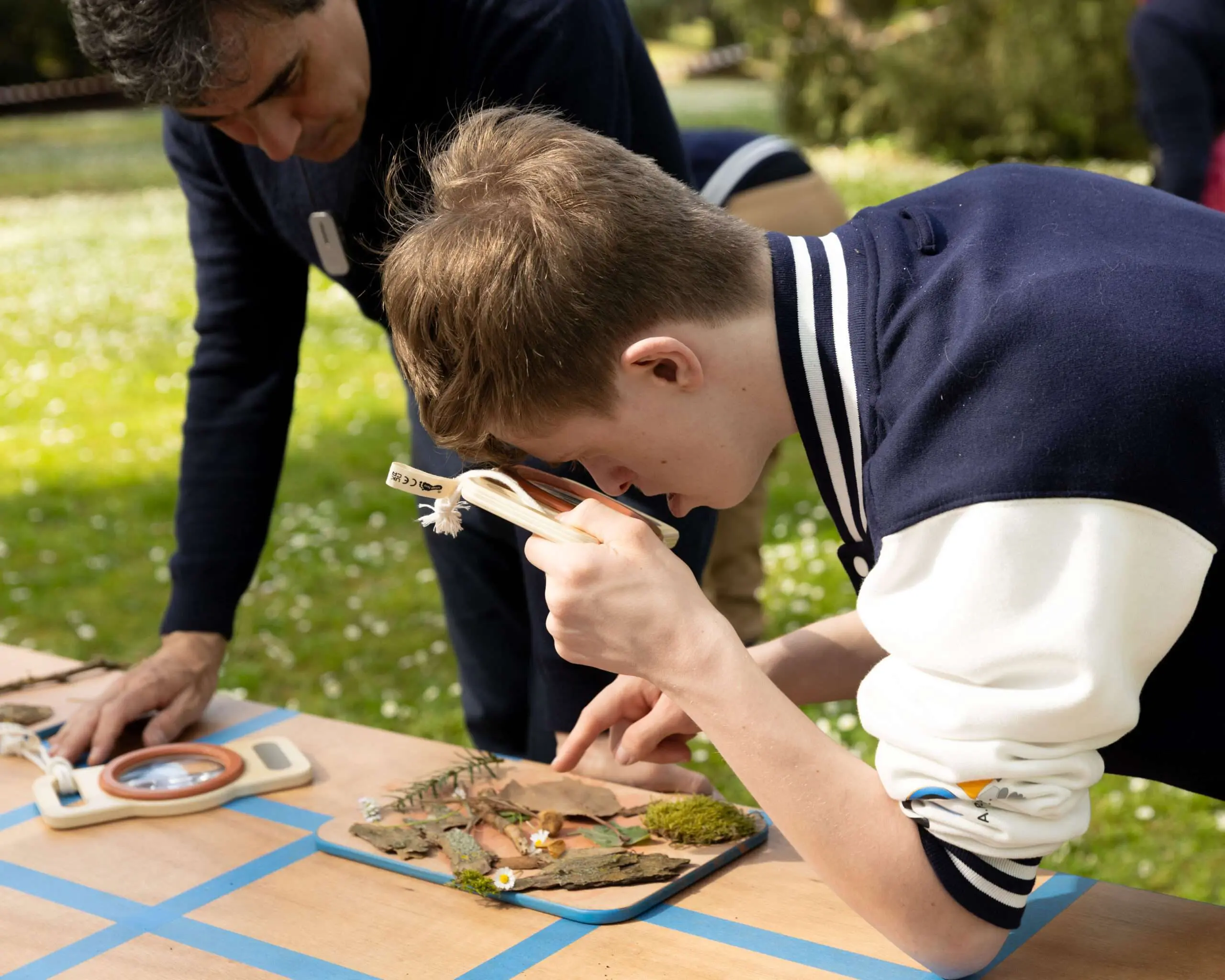
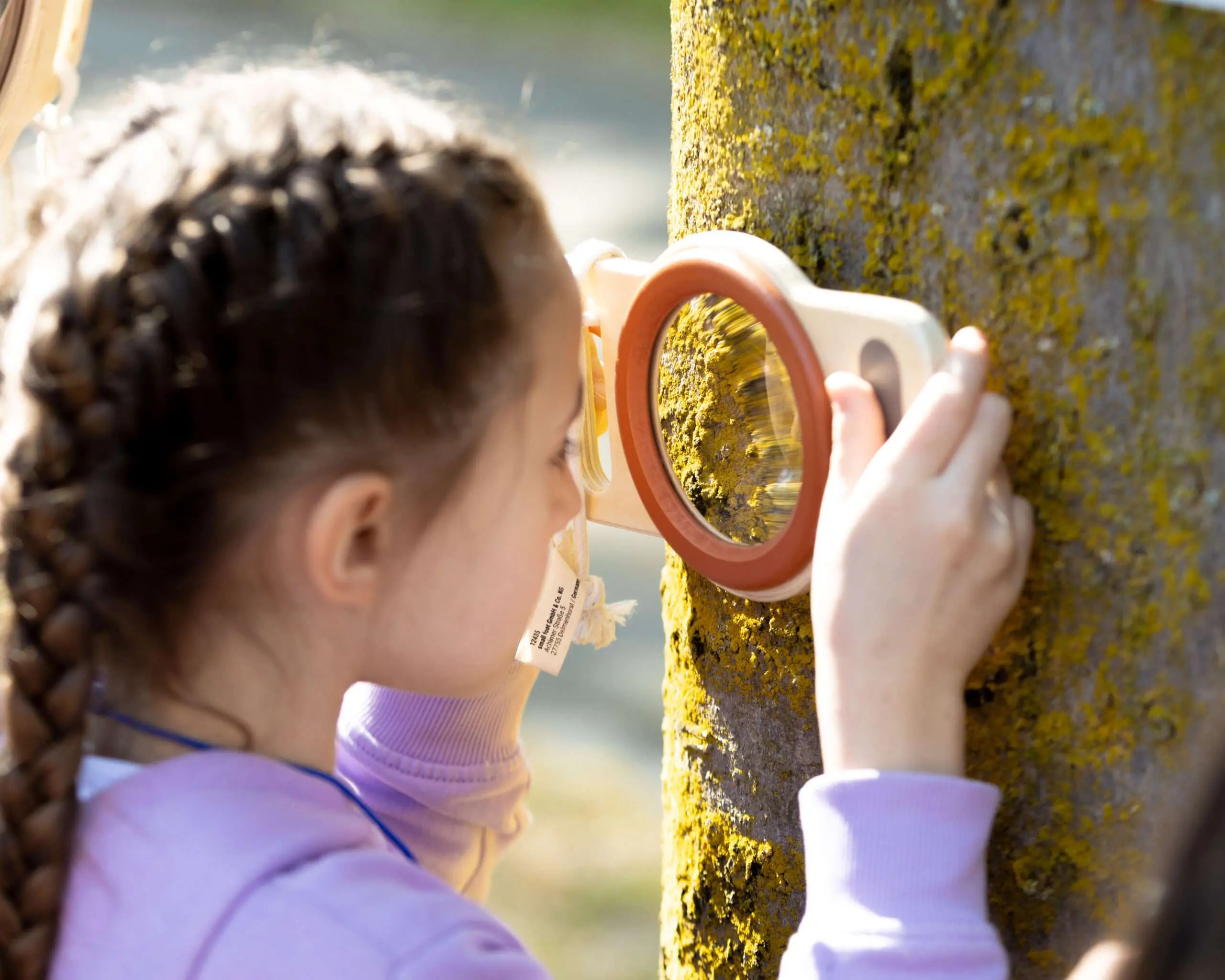
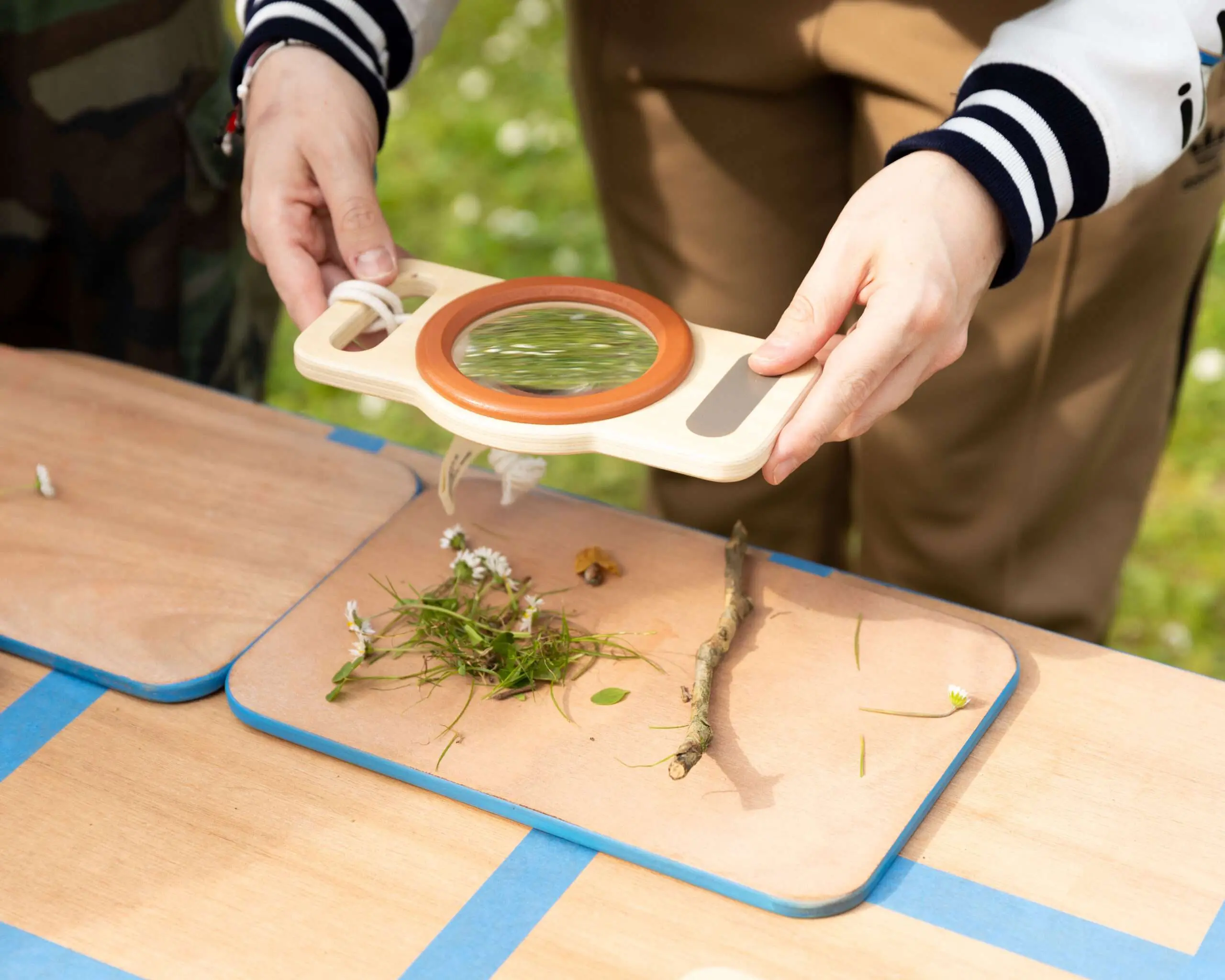
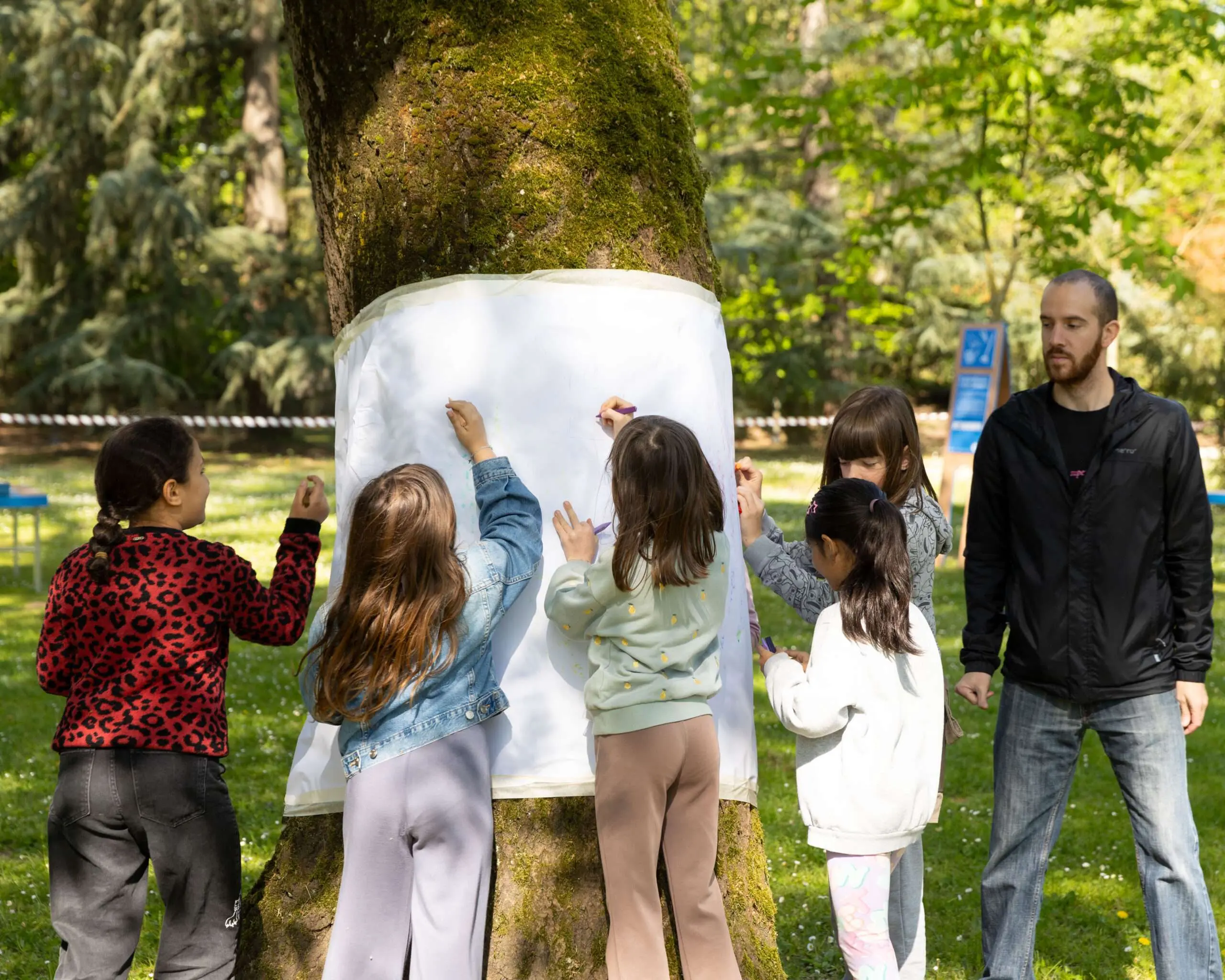
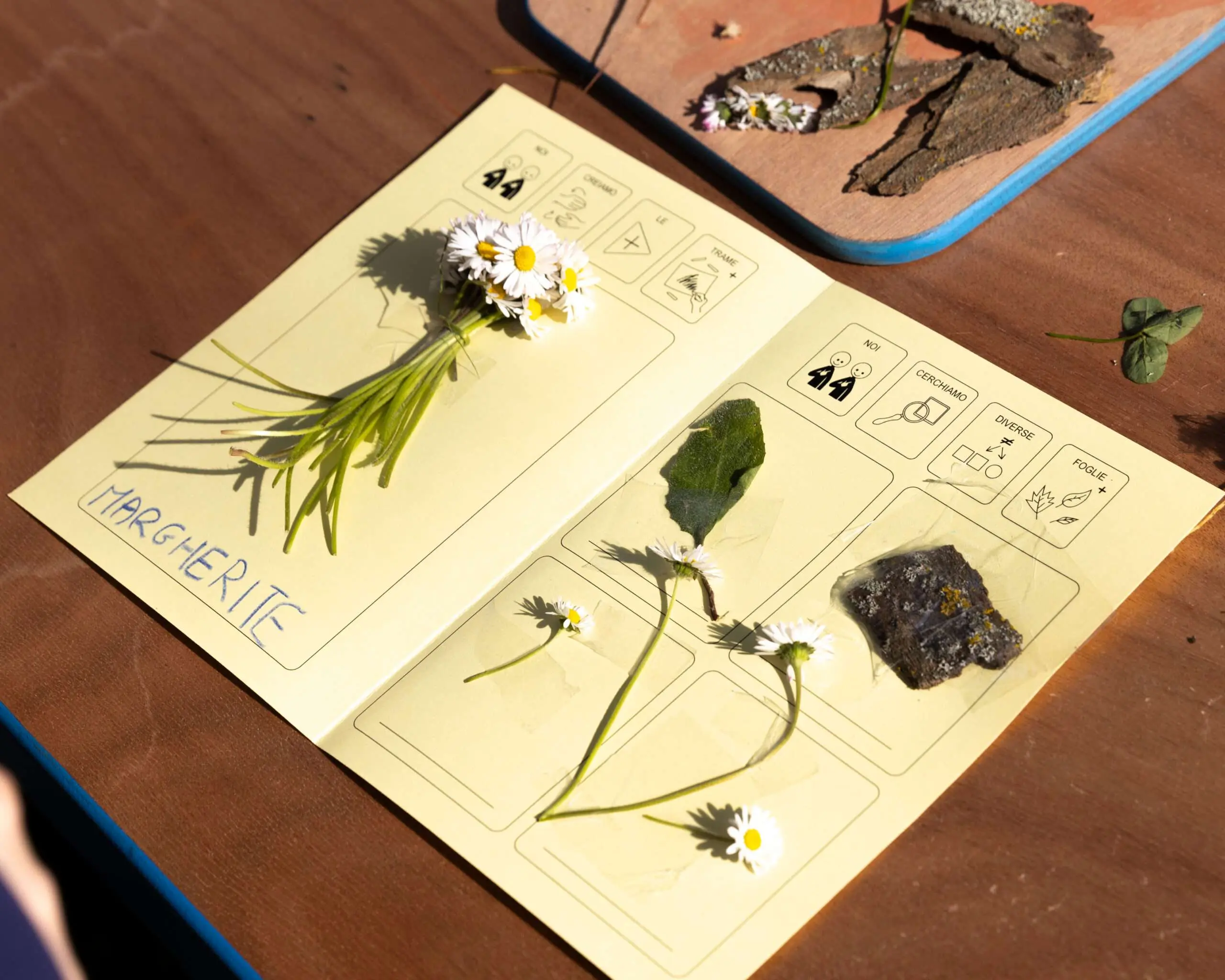
The experience combines moments of discovery, hands-on activity and creativity, encouraging participants to observe natural elements closely and to recognise the shapes, textures and geometric patterns found in nature.
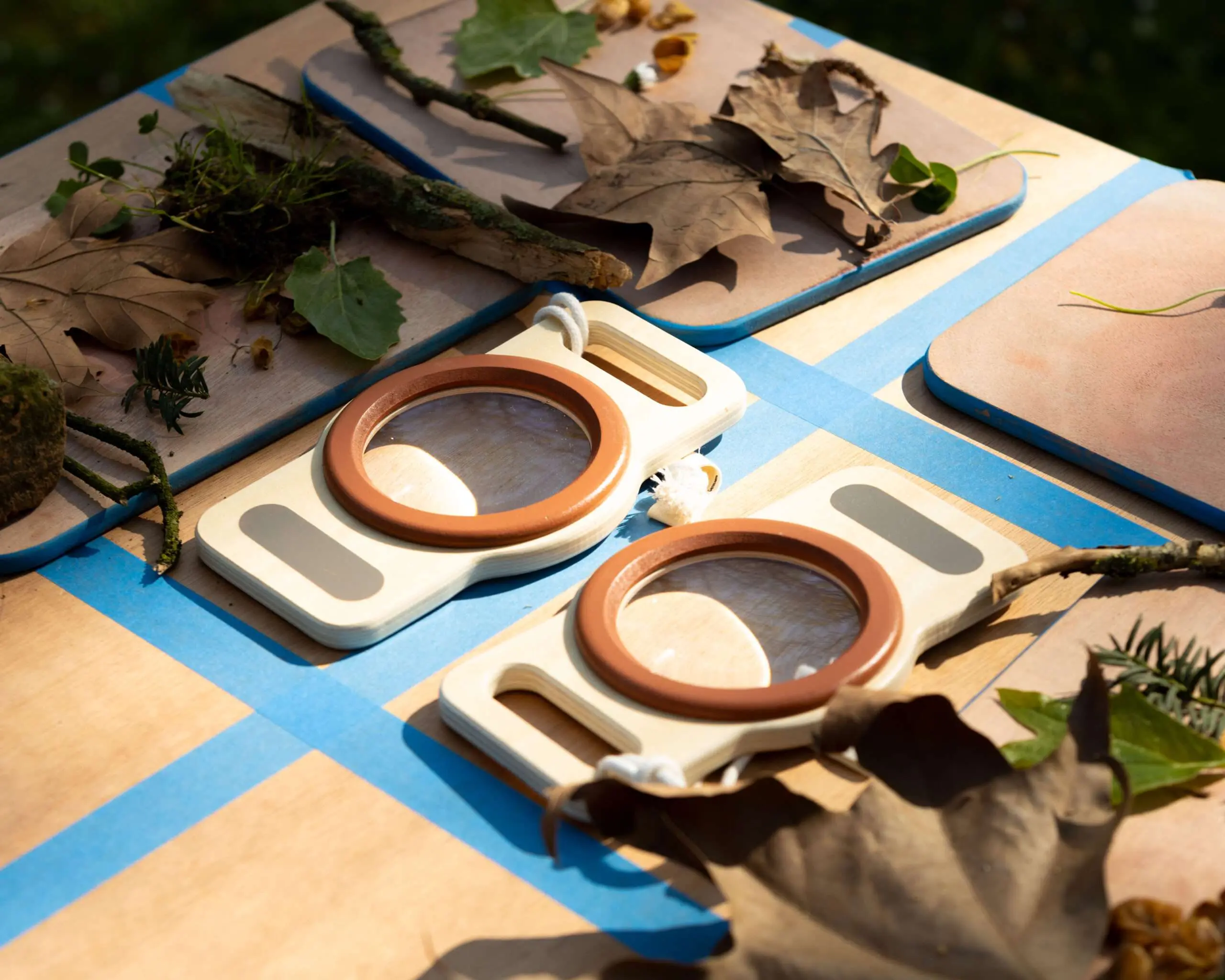
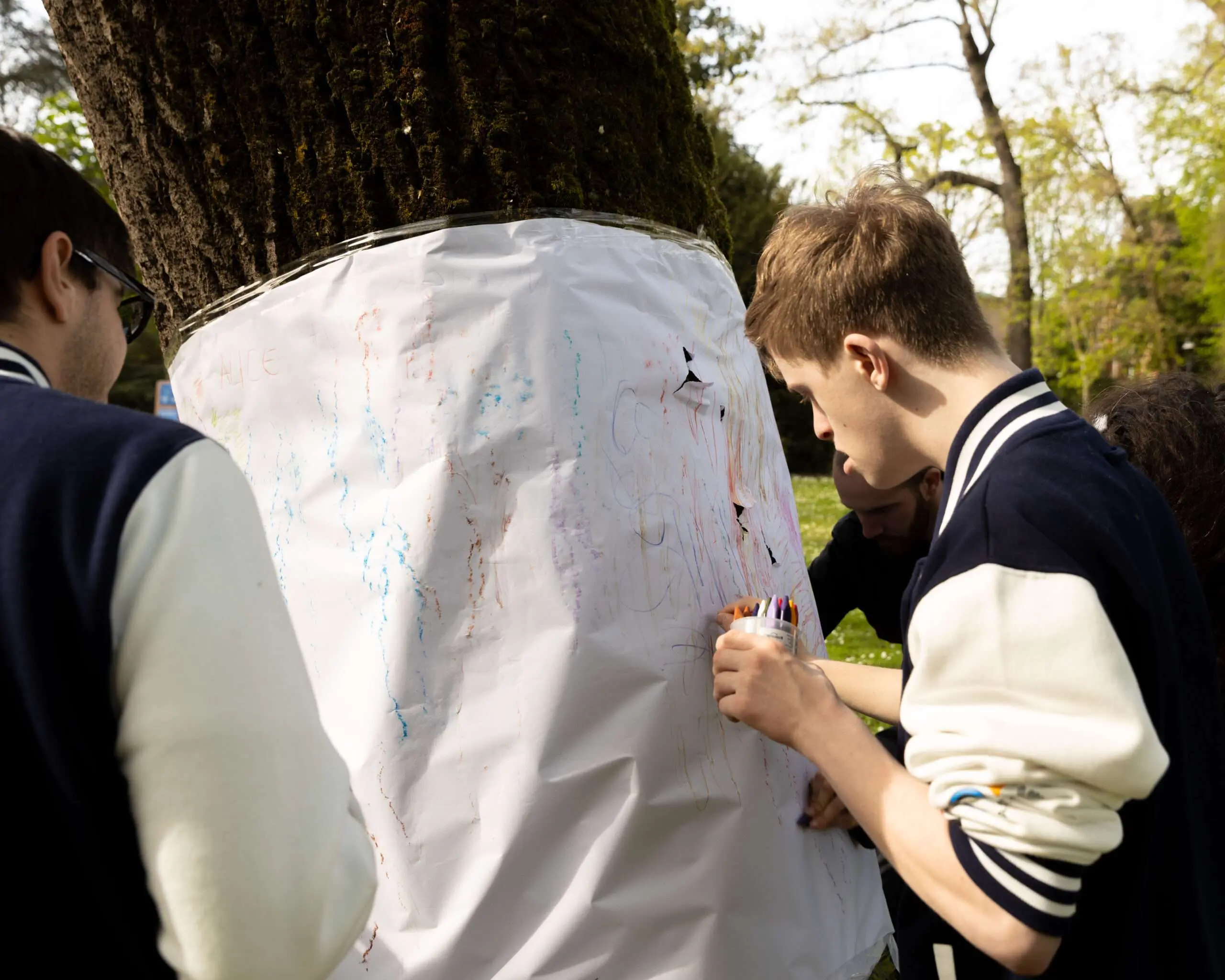
Activities include making rubbings of the bark of the trees in the park, exploring with a magnifying glass to discover textures and the garden’s tiny inhabitants, and creating a personal herbarium.